4 DaysIndia
Dispur
Your 4-day travel guide
The best time to visit Dispur is from October to March when the weather is pleasant with cooler temperatures and minimal...
Dispur•4D•All
Dispur, India
Duration:4 Days
Activities:12
Best for:All travelers
Assam's Capital Blend of Temples and Tea
Dispur, the capital of Assam, serves as the administrative and cultural heart of the region. While often considered part of the larger Guwahati metropolitan area, it offers its own distinct character with government buildings, temples, and local markets. This itinerary focuses on Dispur's authentic experiences, blending Assamese culture with culinary discoveries. You'll explore ancient temples, vibrant bazaars, and savor regional cuisine, all while experiencing the warm hospitality of Northeast India. The city provides a more relaxed pace than larger Indian metros, making it ideal for couples seeking cultural immersion.
Get Real Local Advice
Ask someone who actually lives in Dispur
1
Cultural Heritage and Spiritual Introduction
Day 1 of your journey
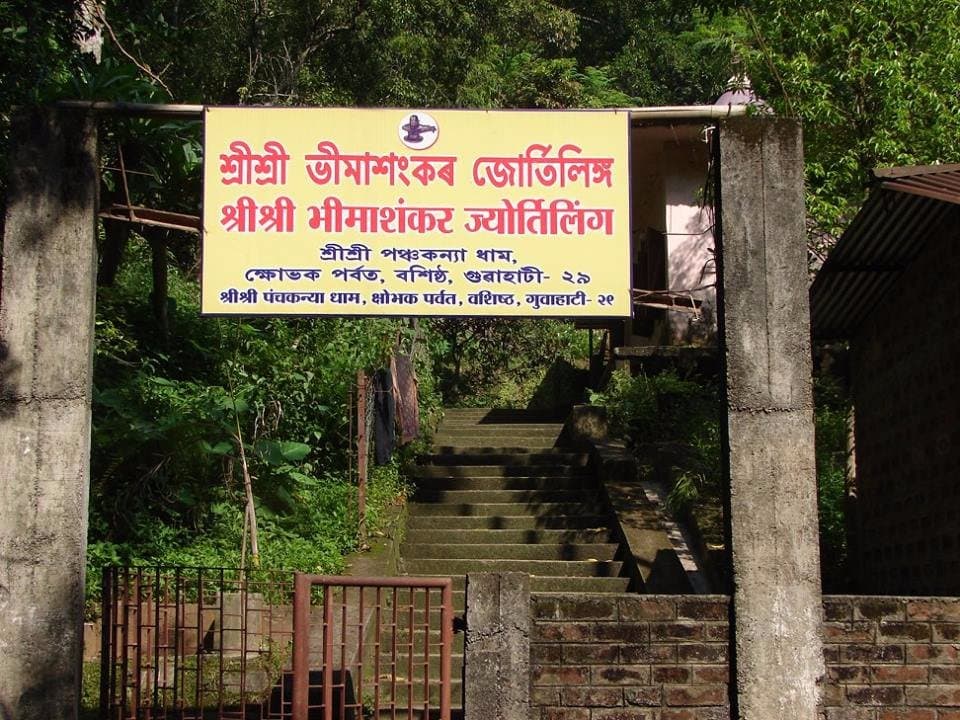
Basistha Ashram is a temple complex located where the Basistha and Bahini rivers meet. According to legend, the sage Basistha meditated here. The site features a main temple dedicated to Lord Shiva, peaceful gardens, and natural springs. Visitors can explore the temple architecture, see the river confluence, and experience the tranquil atmosphere. The complex is less crowded in the morning, allowing for a quiet visit. Plan for about two hours to walk through the grounds and temple areas.
Basistha Ashram
Why Visit
This temple offers a spiritual start to your trip with historical significance dating back to ancient times. The river confluence creates a naturally serene setting perfect for couples seeking a peaceful cultural experience. It showcases traditional Assamese temple architecture away from more tourist-heavy sites.
Wear comfortable shoes for walking on uneven paths. The temple is active, so dress modestly covering shoulders and knees. Address: Basistha Road, Dispur.
2
Local Markets and Culinary Exploration
Day 2 of your journey
3
Temple Architecture and Local Neighborhoods
Day 3 of your journey
4
Administrative Center and Farewell Experiences
Day 4 of your journey
Before You Go
Essential Travel Tips
Dispur uses Indian Rupees (₹); carry cash as some smaller places may not accept cards
Auto-rickshaws are common for short distances; agree on fare before starting journey
English is widely understood in tourist areas, but learning basic Assamese greetings is appreciated
Dress modestly when visiting temples, covering shoulders and knees
Drink bottled water and be cautious with street food hygiene
Dispur is generally safe, but take normal urban precautions with valuables
Internet connectivity is reliable in most areas through local SIM cards available at airport
Many sites close early; plan activities accordingly, especially on Sundays
When to Go
Best Time to Visit
The best time to visit Dispur is from October to March when the weather is pleasant with cooler temperatures and minimal rainfall. This period avoids the heavy monsoon rains (June-September) which can disrupt travel plans, and the intense heat of April-May when temperatures often exceed 35°C (95°F). Winter months (December-January) are particularly comfortable for sightseeing, though nights can be cool. The Bihu festivals in April and January offer cultural experiences but come with larger crowds.
Local Insights & Tips
Dispur functions as Assam's administrative capital within the larger Guwahati metropolitan area. The local culture emphasizes hospitality and respect for traditions. When visiting temples, remove shoes before entering and avoid photography if signs prohibit it. Assamese cuisine features rice as staple, with flavors ranging from the signature sour 'tenga' preparations to hearty meat dishes. Tea culture is significant - Assam produces some of India's finest black teas. While Hindi and English are understood, Assamese is the primary language; simple greetings like 'nomoskar' (hello) are appreciated. The pace of life is generally relaxed compared to larger Indian cities.