
4 DaysIndia
Durgāpur
Your 4-day travel guide
The most comfortable time to visit Durgāpur is from October to March when temperatures are milder, ranging from 15°C to ...
Durgāpur•4D•All
Durgāpur, India
Duration:4 Days
Activities:12
Best for:All travelers
Steel City Serenity and Bengali Flavors
Durgāpur, located in West Bengal's Paschim Bardhaman district, is primarily known as an industrial hub but offers surprising cultural depth and authentic Bengali experiences. This planned city, developed around steel plants, provides a unique blend of industrial heritage and local traditions. For couples seeking culture and food, Durgāpur reveals temples, parks, and culinary spots that showcase Bengal's rich heritage. The city's orderly layout makes exploration straightforward, with opportunities to experience both religious sites and regional cuisine in a relaxed setting away from major tourist crowds.
Get Real Local Advice
Ask someone who actually lives in Durgāpur
1
Cultural Heritage and Temple Exploration
Day 1 of your journey
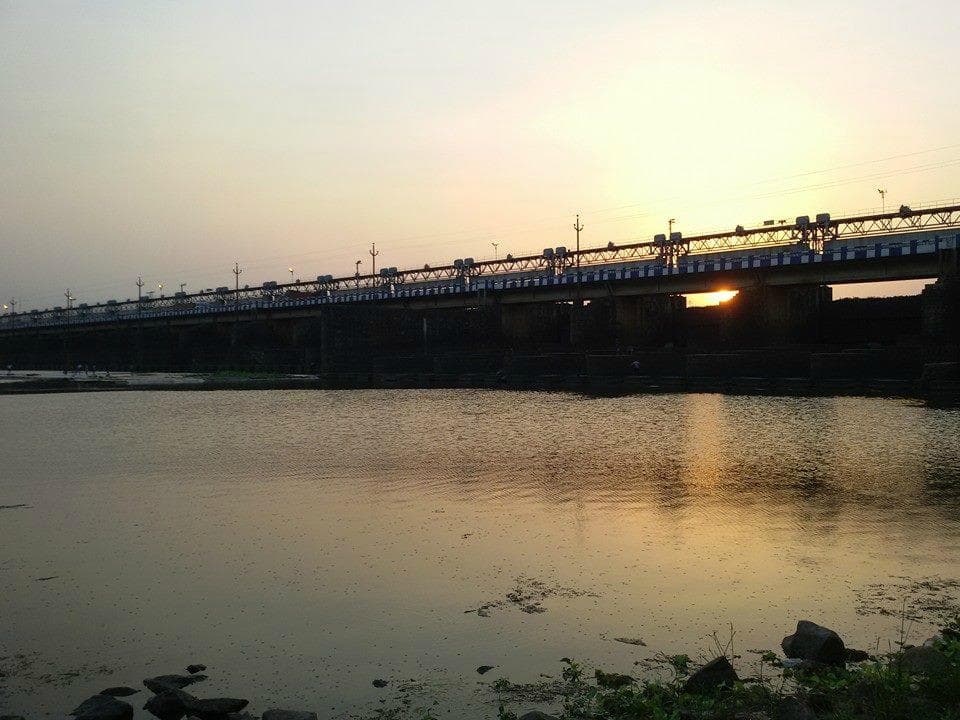
The Durgāpur Barrage, built across the Damodar River, is a significant engineering structure that controls water flow and provides irrigation. Couples can walk along the barrage, observe the river views, and learn about its role in regional development. The site offers peaceful morning views and photographic opportunities of the water and surrounding landscape. Visit duration is typically 1-2 hours, with mornings being ideal before temperatures rise. The area has basic facilities and is accessible throughout the day.
Durgāpur Barrage
Why Visit
This barrage represents Durgāpur's industrial development while providing a scenic riverside setting perfect for couples. It showcases how infrastructure integrates with natural elements in this planned city, offering both educational value and romantic walking opportunities along the water. The structure's scale and function make it a unique landmark distinct from traditional tourist attractions.
Bring water and sun protection as shade is limited. The best photographic light occurs in early morning. Address: Durgāpur Barrage, Durgāpur, West Bengal 713201.
2
Local Life and Culinary Discovery
Day 2 of your journey
3
Industrial Heritage and Modern Culture
Day 3 of your journey
4
Local Experiences and Farewell Dining
Day 4 of your journey
Before You Go
Essential Travel Tips
Use auto-rickshaws for short distances within the city; agree on fares before starting journeys
Carry sufficient Indian rupees in smaller denominations as digital payments may not be accepted everywhere
Learn basic Bengali phrases like 'dhonnobad' (thank you) and 'kemon achhen' (how are you) for polite interactions
Dress modestly when visiting temples, covering shoulders and knees as a sign of respect
Drink bottled water and avoid untreated water to prevent stomach issues
Be prepared for warm to hot temperatures most of the year; carry water and sun protection
Check temple opening hours as some close during afternoon hours for rest periods
Use reputable taxi services or app-based rides for longer distances within the city
When to Go
Best Time to Visit
The most comfortable time to visit Durgāpur is from October to March when temperatures are milder, ranging from 15°C to 25°C. These months offer pleasant weather for exploring outdoor sites without extreme heat. The winter period sees minimal rainfall and comfortable humidity levels. April to June can be very hot with temperatures exceeding 40°C, making outdoor activities challenging. July to September brings monsoon rains that may disrupt travel plans and limit outdoor exploration. Cultural festivals like Durga Puja in October add special experiences but also increase local crowds.
Local Insights & Tips
Durgāpur functions as an industrial city with strong community identity shaped by its planned development around steel production. Residents take pride in the city's orderly layout and public amenities. Bengali culture predominates with emphasis on food, festivals, and family values. Respect local customs by dressing modestly at religious sites and removing shoes before entering temples or homes. The city maintains a practical, working character rather than tourist-oriented atmosphere, offering authentic experiences of regional life. English is understood in commercial areas but basic Bengali phrases enhance interactions. Durgāpur's development reflects careful urban planning that integrates industry with residential communities.