
4 DaysIndia
Gurgaon
Your 4-day travel guide
The best time to visit Gurgaon is from October to March when the weather is most pleasant. During these months, temperat...
Gurgaon•4D•All
Gurgaon, India
Duration:4 Days
Activities:12
Best for:All travelers
Modern Marvels and Ancient Traditions in Gurgaon
Gurgaon, officially Gurugram, is a dynamic city in India's National Capital Region that masterfully blends rapid urban development with deep-rooted cultural heritage. As a major financial and technology hub, it features gleaming skyscrapers, world-class malls, and corporate parks alongside centuries-old temples and traditional markets. This itinerary explores both sides of Gurgaon, from its contemporary culinary scene to its spiritual landmarks, offering couples a balanced experience of India's modern aspirations and timeless traditions. The city's energy comes from this fascinating contrast between the new and the old.
Get Real Local Advice
Ask someone who actually lives in Gurgaon
1
Cultural Heritage and Spiritual Exploration
Day 1 of your journey
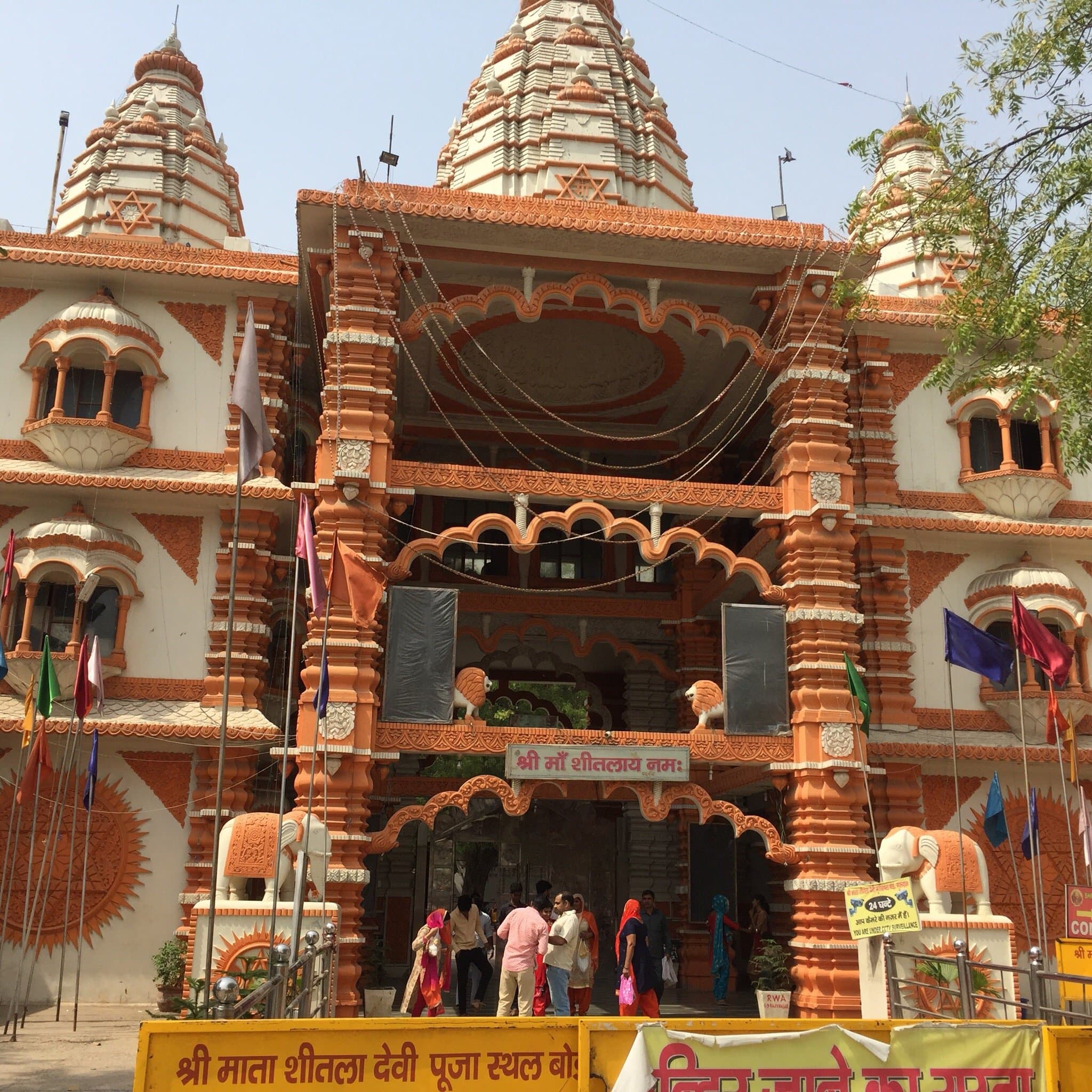
Sheetla Mata Mandir is one of Gurgaon's oldest and most revered Hindu temples, dedicated to the goddess Sheetla Mata, believed to cure diseases. The temple complex features traditional architecture with intricate carvings and a peaceful atmosphere. Visitors can observe religious rituals, see devotees offering prayers, and explore the surrounding market selling religious items. The temple is busiest during festivals but generally calm on weekdays. Plan for about an hour to appreciate the spiritual ambiance and architecture.
Sheetla Mata Mandir
Why Visit
This temple provides an authentic glimpse into local religious practices and Hindu architecture dating back centuries. It's a cultural cornerstone of Gurgaon that contrasts sharply with the city's modern developments, offering couples a serene and spiritually significant experience that connects them to the region's traditions.
Remove shoes before entering the temple premises. Dress modestly with covered shoulders and knees. The best time to visit is early morning when it's less crowded. Address: Sheetla Mata Road, Sector 5, Gurugram.
2
Culinary Exploration and Local Markets
Day 2 of your journey
3
Art, Architecture, and Local Experiences
Day 3 of your journey
4
Modern Gurgaon and Farewell Experiences
Day 4 of your journey
Before You Go
Essential Travel Tips
Use ride-hailing apps like Uber and Ola for convenient transportation around the city
Carry cash for smaller establishments and markets, though cards are widely accepted in malls and restaurants
Dress modestly when visiting religious sites, covering shoulders and knees
Drink bottled water and be cautious with street food if you have a sensitive stomach
Learn basic Hindi phrases like 'namaste' (hello) and 'dhanyavaad' (thank you) for polite interactions
Be prepared for traffic congestion, especially during peak hours
Check restaurant opening times as some may close between lunch and dinner service
Carry a copy of your hotel address in Hindi for taxi drivers who may not read English
When to Go
Best Time to Visit
The best time to visit Gurgaon is from October to March when the weather is most pleasant. During these months, temperatures range from 10°C to 25°C (50°F to 77°F) with low humidity, making outdoor exploration comfortable. The winter months see clear skies and cool evenings perfect for dining outdoors. Avoid the summer months from April to June when temperatures frequently exceed 40°C (104°F) with high humidity. The monsoon season from July to September brings heavy rainfall that can disrupt travel plans and outdoor activities.
Local Insights & Tips
Gurgaon presents a fascinating mix of traditional Indian culture and modern global influences. While the city has rapidly developed into a major business hub with cosmopolitan amenities, traditional values and customs remain important. Respect for elders and modest dress in religious contexts are appreciated. The local population includes both long-term residents and professionals from across India and abroad, creating a diverse social fabric. Punctuality is valued in business settings but social events often operate on 'Indian Standard Time' with more flexibility. Haggling is expected in traditional markets but not in modern retail establishments. The city's energy comes from balancing rapid modernization with cultural preservation.