4 DaysIndia
Jalandhar
Your 4-day travel guide
The best time to visit Jalandhar is from October to March when temperatures are pleasant, ranging from 10°C to 25°C (50°...
Jalandhar•4D•All
Jalandhar, India
Duration:4 Days
Activities:12
Best for:All travelers
Punjabi Flavors and Spiritual Heritage
Jalandhar, a historic city in Punjab, offers a rich blend of cultural heritage and culinary delights. Known for its religious sites, sports manufacturing, and vibrant street food, it provides an authentic Punjabi experience. As one of the oldest cities in the region, it features significant Sikh and Hindu temples alongside bustling markets. The city's character is defined by its warm hospitality, traditional music, and agricultural roots. For couples seeking culture and food, Jalandhar delivers with intimate temple visits, local eateries, and opportunities to connect with Punjabi traditions in a less touristy setting than nearby Amritsar.
Get Real Local Advice
Ask someone who actually lives in Jalandhar
1
Cultural Heritage and Spiritual Sites
Day 1 of your journey
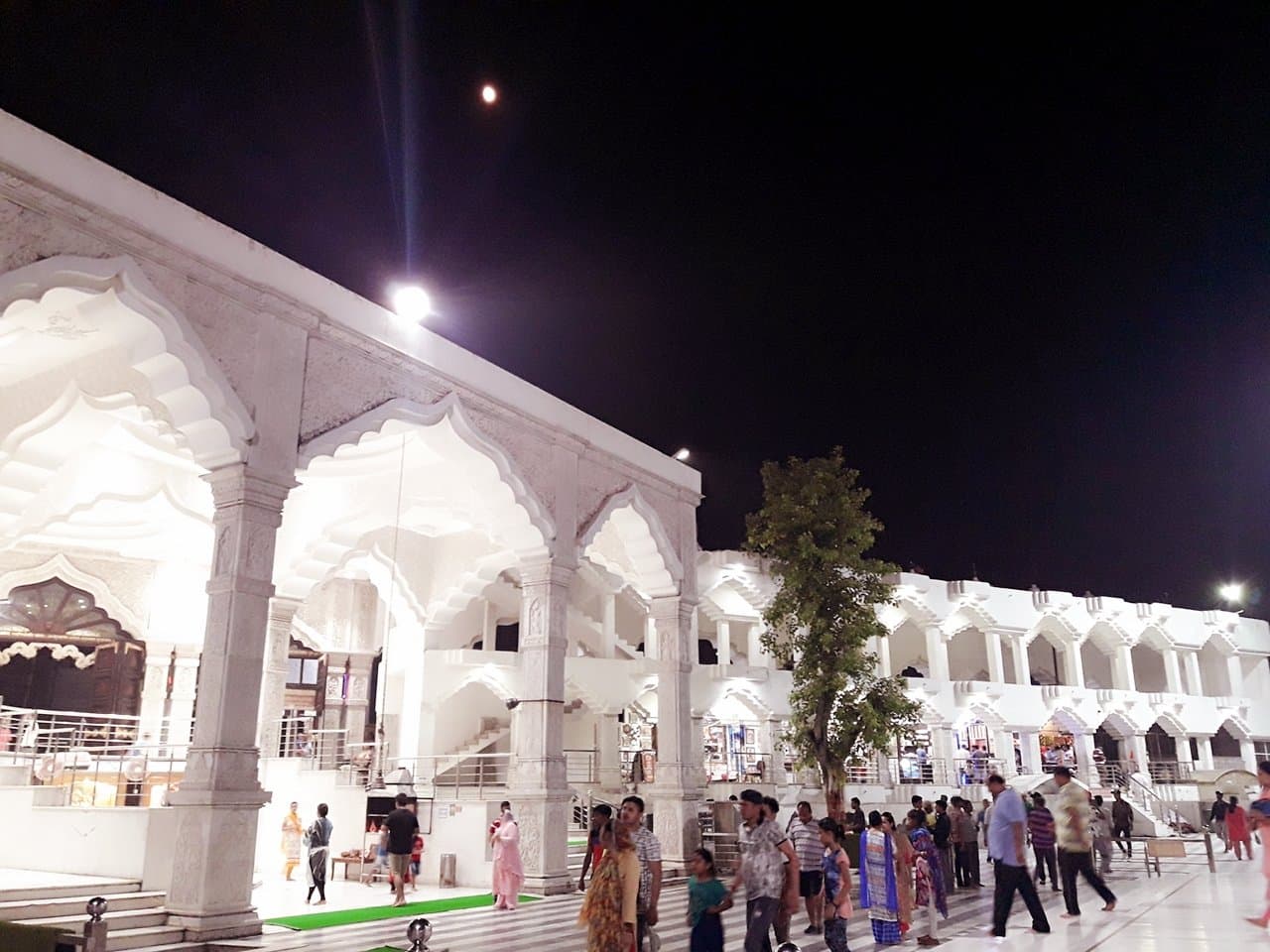
Devi Talab Mandir is one of Jalandhar's most important Hindu temples, dedicated to Goddess Durga. The temple complex includes a large sacred pond (talab) and features traditional architecture with intricate carvings. Visitors can observe daily rituals, offer prayers, and experience the peaceful atmosphere. The temple is active throughout the day, but mornings are less crowded. Plan to spend about 1-2 hours exploring the main shrine and surrounding areas. The temple holds special significance during Navratri festivals when it attracts thousands of devotees.
Devi Talab Mandir
Why Visit
This temple represents Jalandhar's deep religious roots and architectural heritage. As one of the 51 Shakti Peethas in Hindu mythology, it holds spiritual importance. The serene pond and temple environment provide a cultural immersion, while the daily rituals offer insight into local religious practices. For couples, it's a peaceful start to understand the city's spiritual dimension.
Remove shoes before entering the temple premises. Dress modestly with covered shoulders and knees. The temple is free to enter, but donations are appreciated. Address: Devi Talab Road, Jalandhar.
2
Local Markets and Culinary Exploration
Day 2 of your journey
3
Historical Sites and Relaxation
Day 3 of your journey
4
Local Experiences and Departure
Day 4 of your journey
Before You Go
Essential Travel Tips
Jalandhar has auto-rickshaws and taxis for local transport; negotiate fares before riding or use ride-hailing apps
Hindi and Punjabi are widely spoken; basic English is understood in tourist areas and hotels
Carry Indian rupees in smaller denominations for markets and street food; ATMs are available throughout the city
Dress modestly when visiting religious sites, covering shoulders and knees
Drink bottled water and be cautious with street food if you have sensitive stomach
Jalandhar is generally safe, but take normal precautions with valuables in crowded areas
Many shops close in the afternoon from 13:00 to 16:00; plan shopping accordingly
Summer temperatures can exceed 40°C (104°F); plan outdoor activities for mornings or evenings
When to Go
Best Time to Visit
The best time to visit Jalandhar is from October to March when temperatures are pleasant, ranging from 10°C to 25°C (50°F to 77°F). Winter months offer comfortable weather for exploring temples and markets. October-November and February-March are particularly pleasant. Summers (April-June) are extremely hot with temperatures often above 40°C (104°F), making outdoor activities challenging. Monsoon season (July-September) brings humidity and occasional heavy rains. Major festivals like Lohri (January) and Baisakhi (April) offer cultural experiences but also mean larger crowds.
Local Insights & Tips
Jalandhar reflects traditional Punjabi culture with strong emphasis on hospitality, family values, and religious observance. Sikhism and Hinduism are predominant religions, visible in daily life and numerous temples. The city has industrial aspects alongside agricultural roots, known for sports manufacturing and farming. Local customs include removing shoes before entering homes or temples, and modest dress at religious sites. Food culture centers on dairy products, wheat, and seasonal vegetables. Music, particularly folk songs and bhangra, is part of social gatherings. While modernizing, Jalandhar maintains traditional values and community-oriented lifestyle. Respect for elders and religious traditions is important in social interactions.