4 DaysIndia
Jammu
Your 4-day travel guide
The best time to visit Jammu is from October to March when temperatures are pleasant, ranging from 10°C to 25°C. This pe...
Jammu•4D•All
Jammu, India
Duration:4 Days
Activities:12
Best for:All travelers
Temples, Tastes, and Timeless Traditions
Jammu, the winter capital of Jammu and Kashmir, serves as the cultural and spiritual gateway to the region. Known as the 'City of Temples,' it offers a rich blend of history, religion, and Dogra heritage. For couples seeking a culturally immersive and culinary-focused experience, Jammu provides intimate temple visits, historic forts, and authentic local cuisine in a less crowded setting than many Indian destinations. The city's manageable size allows for relaxed exploration, perfect for discovering its serene religious sites and flavorful food scene over four days.
Get Real Local Advice
Ask someone who actually lives in Jammu
1
Spiritual Heritage and Historic Introduction
Day 1 of your journey
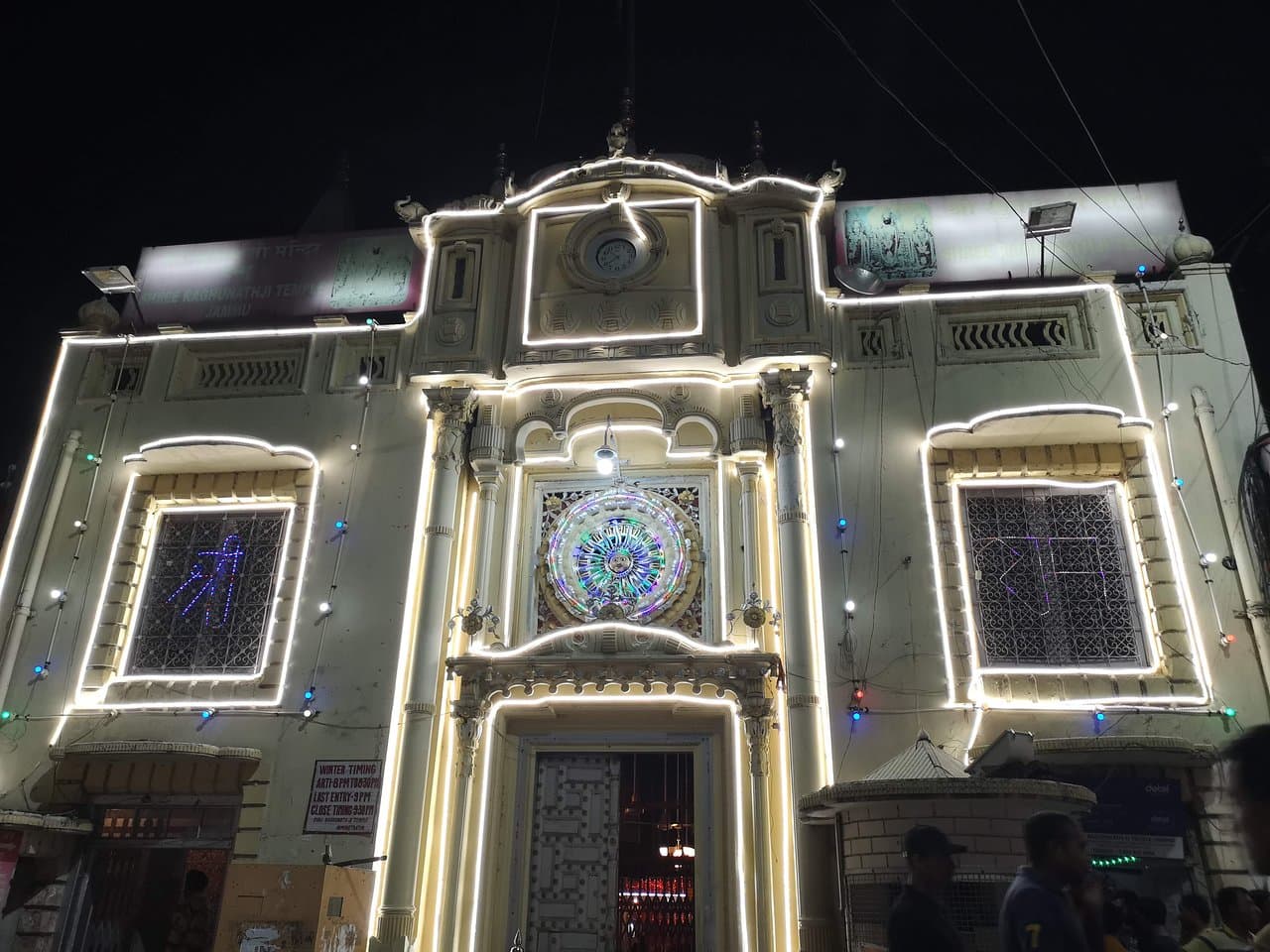
Raghunath Temple is one of Jammu's most important Hindu temple complexes, dedicated to Lord Rama. Built in the 19th century by Maharaja Gulab Singh, it features seven shrines with exquisite carvings and gold-plated interiors. Visitors experience a peaceful atmosphere for prayer and observation of religious rituals. The temple is busiest during morning prayers, offering an authentic glimpse into local devotion. Plan for a respectful visit, removing shoes before entry and dressing modestly. Photography may be restricted in certain areas.
Raghunath Temple
Why Visit
This temple complex represents the heart of Jammu's spiritual identity and Dogra architecture. As the city's most prominent religious site, it provides cultural insight through its historical significance and active worship practices. The intricate artwork and serene environment create a meaningful start to understanding Jammu's heritage.
Visit early to avoid crowds and experience morning aarti ceremonies. The temple is located in the city center near Raghunath Bazaar. Address: Raghunath Bazaar, Jammu, Jammu and Kashmir 180001.
2
Cultural Immersion and Local Markets
Day 2 of your journey
3
Temple Trail and Culinary Exploration
Day 3 of your journey
4
Local Experiences and Farewell Flavors
Day 4 of your journey
Before You Go
Essential Travel Tips
Jammu has limited public transportation; use auto-rickshaws or taxis for getting around, negotiate fares before riding
Carry cash as many smaller establishments and markets do not accept cards
Dress modestly when visiting temples, covering shoulders and knees, and remove shoes before entry
Hindi and Dogri are widely spoken; English is understood in hotels and tourist areas but less so in local markets
Jammu is generally safe, but take normal precautions with valuables in crowded areas
Drink bottled water and be cautious with street food if you have sensitive digestion
Temples may have restricted photography; always ask permission before taking pictures inside
Check temple opening hours as some may close during afternoon hours for rituals
When to Go
Best Time to Visit
The best time to visit Jammu is from October to March when temperatures are pleasant, ranging from 10°C to 25°C. This period avoids the intense summer heat of April to June and the monsoon rains of July to September. Winter months (December-February) can be cool, especially in the evenings, requiring light woolens. The weather during October-March is ideal for temple visits and outdoor exploration. Major festivals like Lohri (January) and Maha Shivratri (February/March) occur during this period, offering cultural experiences but potentially larger crowds.
Local Insights & Tips
Jammu has a predominantly Hindu culture with strong Dogra traditions. Temple visits are central to local life, with many residents starting their day with prayers. The city is more conservative than larger Indian metros, so modest dress is appreciated, especially at religious sites. Dogra cuisine is primarily vegetarian with emphasis on legumes, rice, and local dairy products like kaladi. Hospitality is important in local culture; visitors may encounter friendly interactions at temples and markets. Jammu serves as a pilgrimage base for Vaishno Devi, so you may notice pilgrims traveling through. The pace is generally relaxed compared to major cities.