
4 DaysIndia
Tiruppūr
Your 4-day travel guide
The best time to visit Tiruppūr is from November to February, during the winter season, when temperatures are milder, ra...
Tiruppūr•4D•All
Tiruppūr, India
Duration:4 Days
Activities:12
Best for:All travelers
Textiles, Temples, and Tamil Flavors
Tiruppūr, known as the 'Knitwear Capital of India,' offers a unique blend of industrial energy and cultural heritage in Tamil Nadu. While famous for its garment manufacturing, the city provides authentic experiences for couples interested in culture and food. You'll discover ancient temples with intricate architecture, savor traditional Tamil cuisine in local eateries, and witness the craftsmanship behind India's textile industry. This itinerary focuses on the city's spiritual sites, culinary delights, and insights into its economic backbone, creating a balanced trip that connects you with local life beyond the factories.
Get Real Local Advice
Ask someone who actually lives in Tiruppūr
1
Cultural Heritage and Temple Exploration
Day 1 of your journey
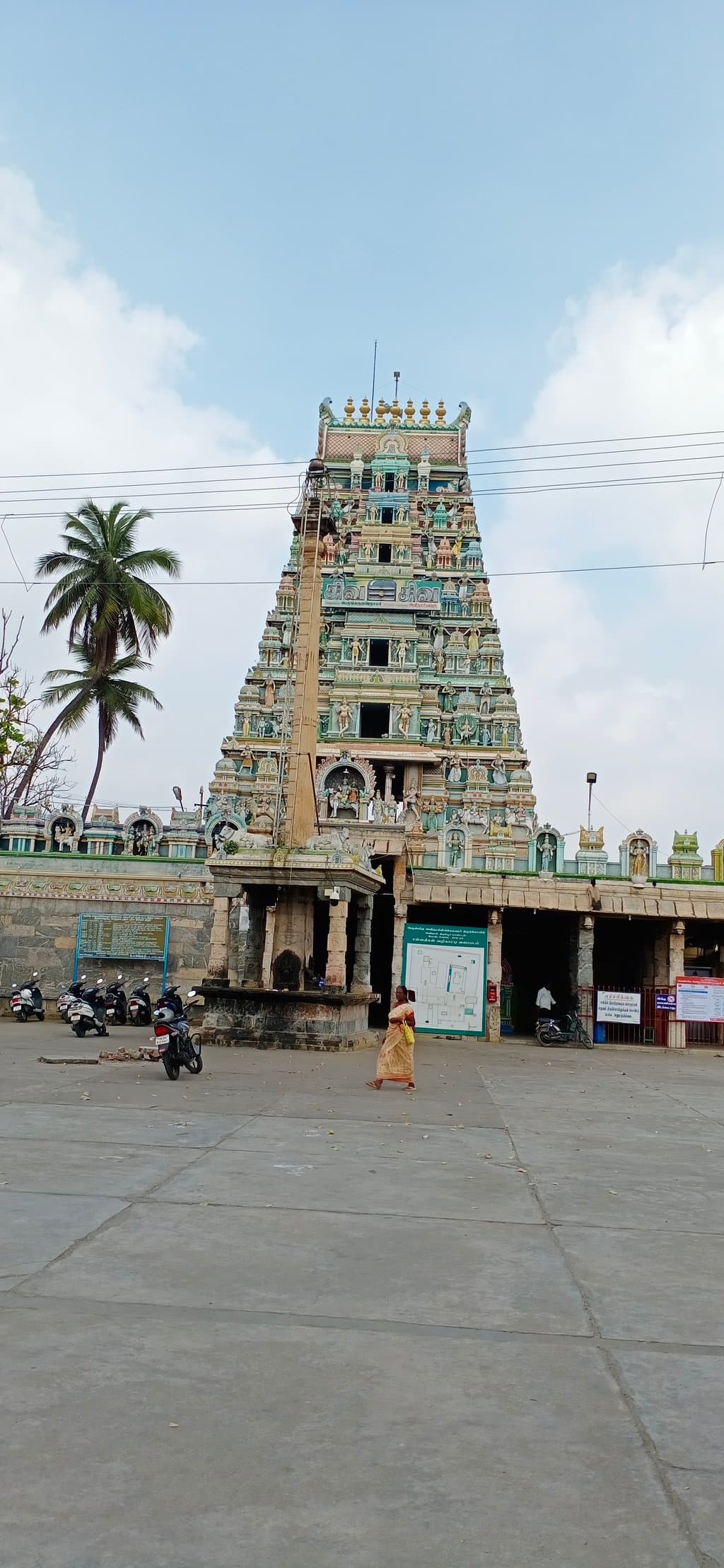
This ancient Shiva temple, located in Avinashi (part of Tiruppūr district), dates back over 1,000 years and features Dravidian architecture with detailed carvings. Couples can explore the main sanctum, circumambulate the temple, and observe daily rituals. The temple is less crowded in the morning, allowing a peaceful visit. It typically takes about 1.5 hours to appreciate the structure and atmosphere. Dress modestly with covered shoulders and knees, and remove footwear before entering.
Avinashi Lingeshwarar Temple
Why Visit
This temple is a significant cultural site showcasing Tamil Nadu's religious heritage and architectural style. It offers a serene start to your trip, with spiritual ambiance and historical value. For couples, it provides a quiet, reflective experience away from the city's industrial areas, highlighting the region's deep-rooted traditions.
Visit early to avoid heat and crowds. Address: Avinashi, Tiruppūr district. The temple is about 20 km from central Tiruppūr, so plan for transport. Local auto-rickshaws or taxis are available.
2
Textile Industry Insights and Local Markets
Day 2 of your journey
3
Spiritual Sites and Evening Relaxation
Day 3 of your journey
4
Local Exploration and Farewell Flavors
Day 4 of your journey
Before You Go
Essential Travel Tips
Tiruppūr is well-connected by train and bus; the railway station is central for local travel.
Auto-rickshaws are the main local transport; negotiate fares before riding or use app-based services if available.
Currency is Indian Rupee (INR); carry cash as smaller eateries and markets may not accept cards.
Tamil is the primary language; basic English is understood in hotels and restaurants, but learning a few Tamil phrases helps.
Dress modestly, especially at temples, covering shoulders and knees, and remove footwear before entering.
Tiruppūr is generally safe, but be cautious in crowded areas and keep valuables secure.
Respect local customs; avoid public displays of affection, as it's a conservative region.
Check temple hours in advance, as they may vary and close during afternoon hours.
When to Go
Best Time to Visit
The best time to visit Tiruppūr is from November to February, during the winter season, when temperatures are milder, ranging from 20°C to 30°C (68°F to 86°F). This period avoids the intense heat of summer (March to June) and the heavy monsoon rains (July to October), making it more comfortable for temple visits and outdoor activities. Tourist crowds are minimal, as Tiruppūr is not a major tourist destination, so you can enjoy a quieter experience. Festivals like Pongal in January add cultural vibrancy if timed right.
Local Insights & Tips
Tiruppūr is deeply rooted in Tamil culture, with Hinduism playing a central role in daily life. Temples are active community hubs, and respecting religious practices, such as dressing modestly and participating quietly in rituals, is appreciated. The city's identity is tied to its textile industry, so discussions about garment manufacturing can engage locals. Food culture emphasizes vegetarian South Indian cuisine, with meals often eaten with hands as a tradition. Social norms are conservative; couples should avoid overt displays of affection in public. Neighborhoods mix residential and industrial areas, giving Tiruppūr a working-city feel rather than a touristy one. Engaging with locals politely can lead to warm interactions and insights into their livelihoods.