4 DaysIndia
Trichinopoly
Your 4-day travel guide
The best time to visit Trichinopoly is from November to February when temperatures are most comfortable, ranging from 20...
Trichinopoly•4D•All
Trichinopoly, India
Duration:4 Days
Activities:12
Best for:All travelers
Ancient Temples and Spicy Delights in Trichinopoly
Trichinopoly, officially known as Tiruchirappalli, is a historic city in Tamil Nadu where ancient Dravidian culture meets vibrant modern life. Located on the banks of the Kaveri River, this city serves as a gateway to South India's rich heritage, featuring some of the region's most impressive temple architecture. For couples seeking cultural immersion and culinary exploration, Trichinopoly offers intimate experiences at magnificent rock temples, bustling local markets, and authentic Tamil cuisine. The city's manageable size allows for relaxed exploration without the overwhelming crowds of larger tourist destinations, making it ideal for a romantic cultural getaway.
Get Real Local Advice
Ask someone who actually lives in Trichinopoly
1
Rock Fort Heritage and Evening Markets
Day 1 of your journey
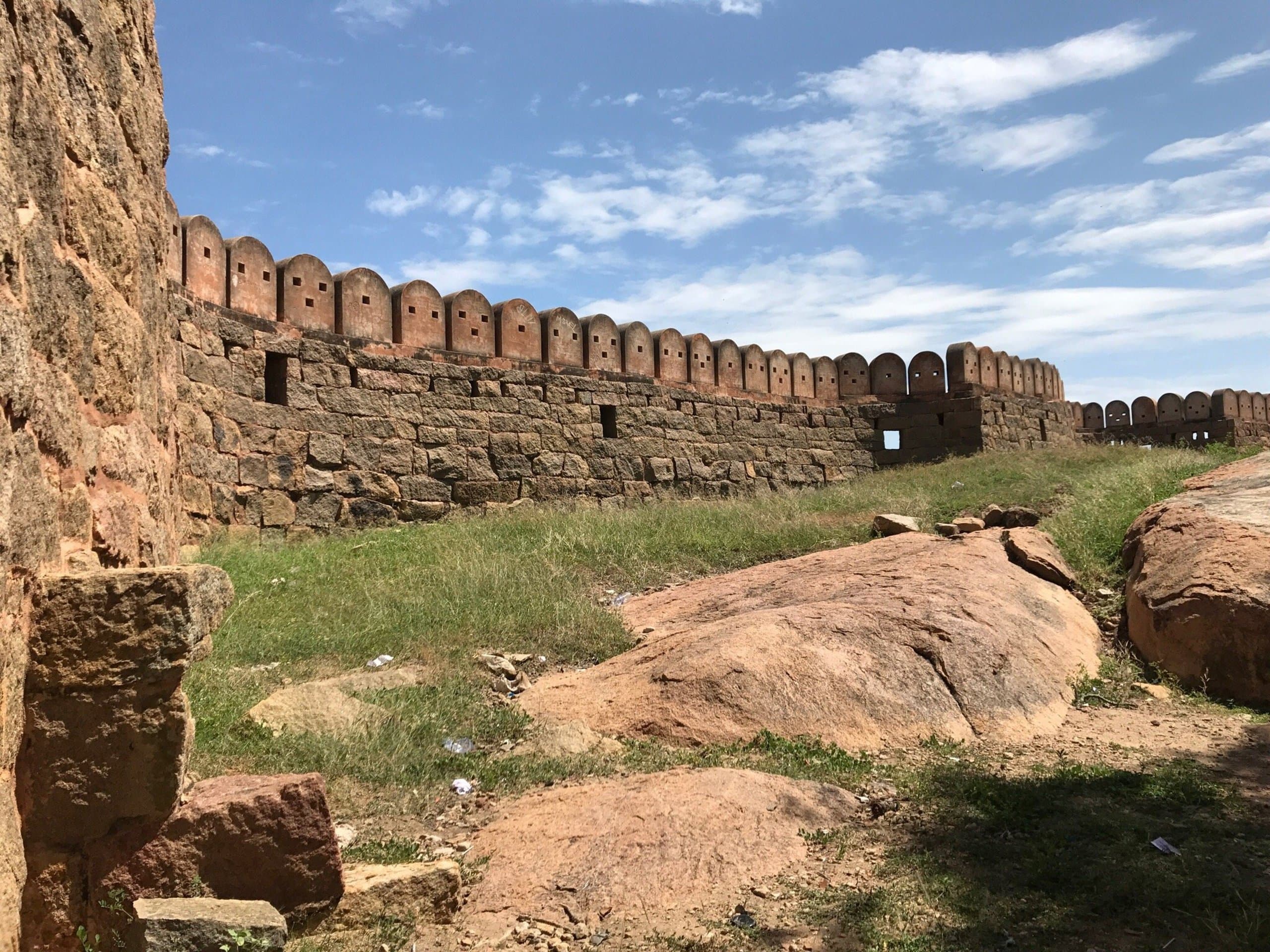
Begin your Trichinopoly journey at the iconic Rock Fort Temple, a 7th-century complex built on an 83-meter-high rock formation. You'll climb 437 steps carved into the rock to reach the Ucchi Pillayar Temple at the summit, dedicated to Lord Ganesha. Along the way, you'll pass smaller shrines and caves with historical inscriptions. The climb takes about 30-45 minutes, and the panoramic view of the city from the top is spectacular. Visit early to avoid the midday heat and crowds. The temple is open from 6:00 AM to 8:00 PM, with entry costing around ₹25 per person.
Rock Fort Temple
Why Visit
This is Trichinopoly's most recognizable landmark and offers the best city views. The climb itself is a spiritual and physical journey through centuries of history, with the rock formations and temple architecture representing classic Dravidian style. For couples, it provides a memorable shared experience with breathtaking photo opportunities at the summit.
Wear comfortable shoes with good grip for the stone steps. Carry water as there are limited facilities along the climb. Address: Rockins Road, Cantonment, Tiruchirappalli.

2
Temple Architecture and Traditional Dining
Day 2 of your journey
3
Local Crafts and Riverside Relaxation
Day 3 of your journey
4
Final Explorations and Culinary Memories
Day 4 of your journey
Before You Go
Essential Travel Tips
Transport: Auto-rickshaws are the most convenient way to get around. Always negotiate the fare before starting your journey, or use ride-sharing apps like Ola for fixed rates.
Currency: Indian Rupees (₹) are used everywhere. ATMs are widely available, but carry some cash for small purchases, especially in markets and with auto-rickshaw drivers.
Language: Tamil is the primary language, but most people in tourist areas understand basic English. Learning a few Tamil phrases like 'Vanakkam' (hello) is appreciated.
Dress Code: When visiting temples, dress modestly with shoulders and knees covered. Many temples provide loaner clothing if needed, but it's better to come prepared.
Temple Etiquette: Remove shoes before entering temple complexes. Photography rules vary by temple - look for signs or ask permission. Some areas may be restricted to Hindus only.
Food Safety: Drink only bottled or filtered water. Street food is generally safe at busy stalls, but start with cooked items and avoid raw salads from questionable places.
Weather Preparation: Trichinopoly can be hot year-round. Carry water, sun protection, and light cotton clothing. Evenings are cooler but still warm.
Bargaining: Expected in markets but not in restaurants or fixed-price shops. Be polite and good-natured - it's part of the shopping culture, not confrontation.
When to Go
Best Time to Visit
The best time to visit Trichinopoly is from November to February when temperatures are most comfortable, ranging from 20°C to 30°C (68°F to 86°F). This winter period has minimal rainfall and lower humidity, making temple exploration and outdoor activities pleasant. March to May can be extremely hot, with temperatures often exceeding 40°C (104°F). The monsoon season from June to September brings heavy rainfall that can disrupt travel plans, though the landscape becomes lush. October marks the transition period with decreasing rains but still considerable humidity. Major festivals like Pongal in January add cultural interest but also mean larger crowds.
Local Insights & Tips
Trichinopoly maintains strong traditional Tamil culture while embracing modernity. Temple visits are integral to daily life, with many locals starting their day with prayers. The city has a relaxed pace compared to larger Indian metros. When interacting with locals, a respectful demeanor is valued - using both hands when giving or receiving items shows courtesy. The head is considered sacred, so avoid touching anyone's head. Public displays of affection are generally frowned upon. Food culture centers around vegetarian traditions, though non-vegetarian options are available. Meals are often eaten with the right hand, following local custom. The city has a significant student population from its educational institutions, creating a youthful energy alongside ancient traditions.