4 DaysIndiaprovince
Tripura
Your 4-day travel guide
The ideal time to visit Tripura is from October to March when the weather is pleasant with temperatures ranging from 10°...
Tripura•4D•All
Tripura, India
Duration:4 Days
Activities:12
Best for:All travelers
Palaces, Bamboo Groves, and Tribal Traditions
Tripura, one of India's smallest states, offers a rich cultural experience in Northeast India. Known for its royal heritage, diverse tribal communities, and unique cuisine blending Bengali and indigenous influences, this destination provides an authentic glimpse into a less-visited region. The state features magnificent palaces, ancient temples, lush landscapes, and a warm, welcoming atmosphere. For couples interested in culture and food, Tripura presents opportunities to explore historical sites, interact with local artisans, and savor distinctive dishes in a relaxed setting away from crowded tourist circuits.
Get Real Local Advice
Ask someone who actually lives in Tripura
1
Royal Heritage and City Exploration
Day 1 of your journey
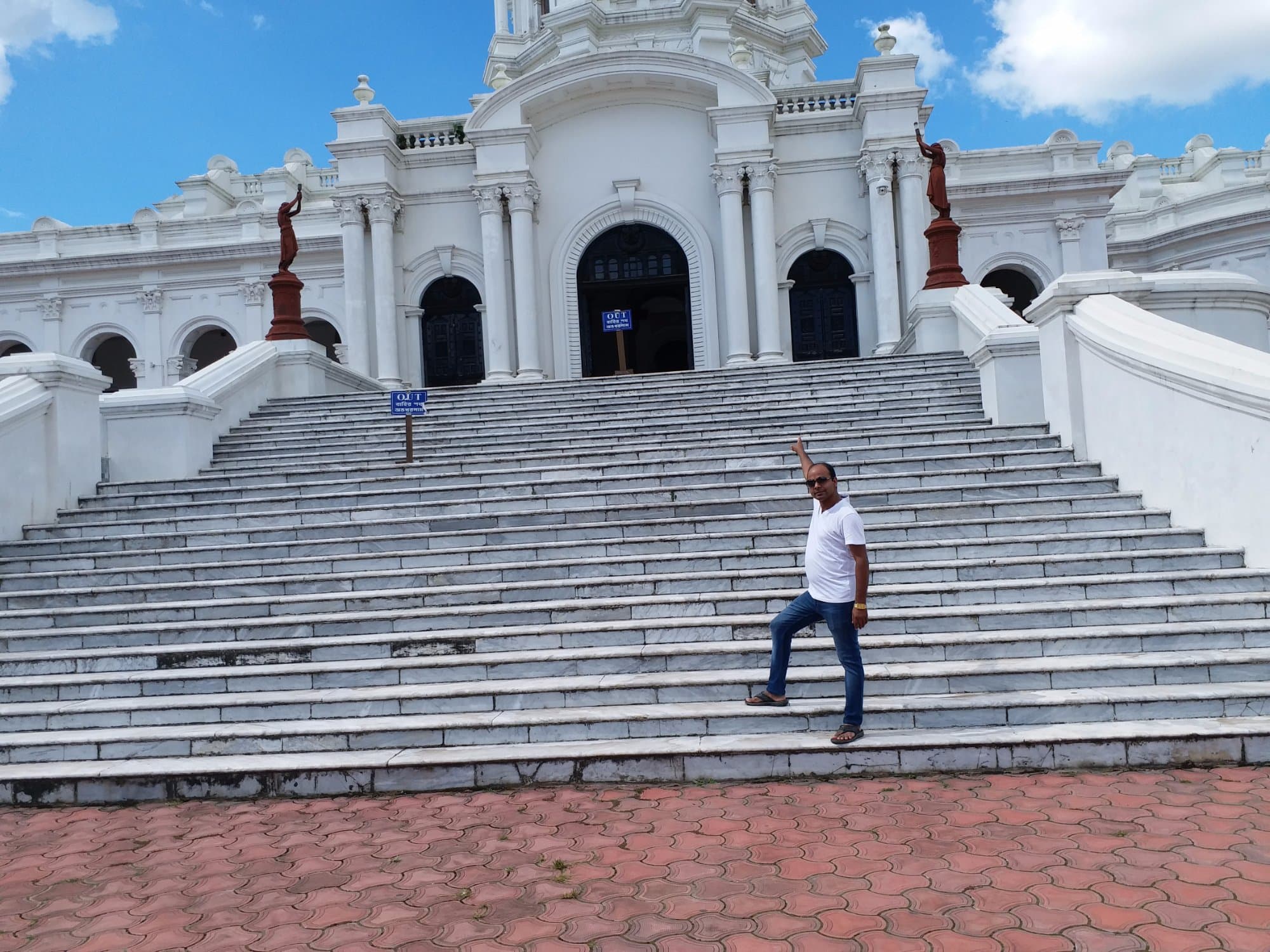
Ujjayanta Palace is the former royal palace of the Manikya dynasty, now serving as the State Museum. This white marble structure features Mughal and European architectural styles, surrounded by beautiful Mughal gardens. Visitors can explore galleries displaying tribal artifacts, sculptures, paintings, and royal memorabilia. The palace offers insight into Tripura's royal history and cultural heritage. Plan for 2-3 hours to appreciate the architecture and exhibits. The palace is open Tuesday to Sunday from 11:00 AM to 5:00 PM.
Ujjayanta Palace
Why Visit
This palace represents Tripura's royal legacy and architectural grandeur, making it essential for understanding the state's history. The museum collections provide comprehensive insight into tribal cultures and royal traditions. The surrounding gardens offer peaceful spaces for couples to stroll and admire the palace's exterior. It's the most significant historical site in Agartala and serves as an excellent introduction to Tripura's cultural identity.
Visit in the late morning to avoid crowds. The lighting is best for photography around midday. Address: Palace Compound, Agartala, Tripura 799001. Combine your visit with nearby attractions like the Jagannath Temple.
2
Tribal Culture and Natural Beauty
Day 2 of your journey
3
Architecture and Local Crafts
Day 3 of your journey
4
Spiritual Sites and Departure
Day 4 of your journey
Before You Go
Essential Travel Tips
Carry sufficient cash as many smaller establishments and transportation services may not accept credit cards
Dress modestly when visiting religious sites, covering shoulders and knees
Learn basic Bengali phrases as it's widely spoken alongside Kokborok (Tripuri language)
Stay hydrated and use mosquito repellent, especially during warmer months
Confirm opening hours in advance as some attractions may have irregular schedules
Respect local customs and seek permission before photographing people, particularly in tribal areas
Use registered taxis or app-based services for transportation within cities
Carry identification documents as some areas near borders may require checking
When to Go
Best Time to Visit
The ideal time to visit Tripura is from October to March when the weather is pleasant with temperatures ranging from 10°C to 27°C. This period avoids the heavy monsoon rains (June to September) and the intense heat of summer (April to May). Winter months offer comfortable conditions for sightseeing and outdoor activities. The humidity is lower, and rainfall is minimal. Festivals like Durga Puja (September-October) and Kharchi Puja (July) occur during other seasons but may coincide with less favorable weather conditions for travel.
Local Insights & Tips
Tripura's culture blends Bengali influences with indigenous tribal traditions. The state has 19 scheduled tribes, with Tripuri being the largest group. Respect for elders and traditional values is important in social interactions. When visiting tribal areas, be sensitive to local customs and seek guidance from community members. Handicrafts like weaving and bamboo work are significant cultural expressions. Food culture emphasizes fermented ingredients and bamboo shoots. Religious sites require removal of shoes and modest dress. The pace of life is generally relaxed compared to larger Indian cities. Engaging with locals respectfully can enhance your understanding of Tripura's unique cultural synthesis.