4 DaysIran
Hamadān
Your 4-day travel guide
The best time to visit Hamadān is during spring (April to June) and autumn (September to October). Spring brings mild te...
Hamadān•4D•All
Hamadān, Iran
Duration:4 Days
Activities:12
Best for:All travelers
Ancient Capitals and Culinary Traditions
Hamadān, one of Iran's oldest cities, sits at the foot of the Alvand mountain range. As a former capital of the Median and Achaemenid empires, it's a living museum of Persian history, with archaeological sites and traditional architecture. The city is also celebrated for its unique culinary heritage, offering dishes found nowhere else in Iran. For couples interested in culture and food, Hamadān provides a compact, walkable experience where ancient history meets warm local hospitality, all within a manageable urban scale that encourages leisurely exploration.
Get Real Local Advice
Ask someone who actually lives in Hamadān
1
Historical Foundations and Local Flavors
Day 1 of your journey
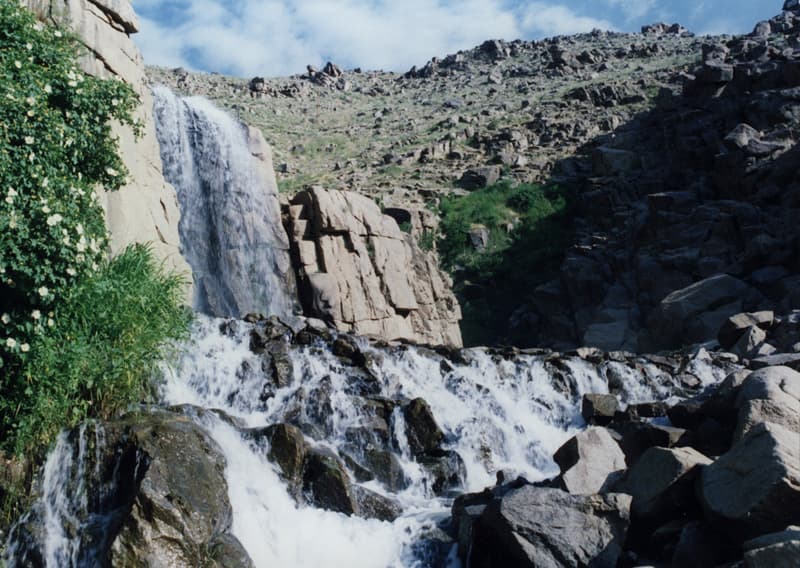
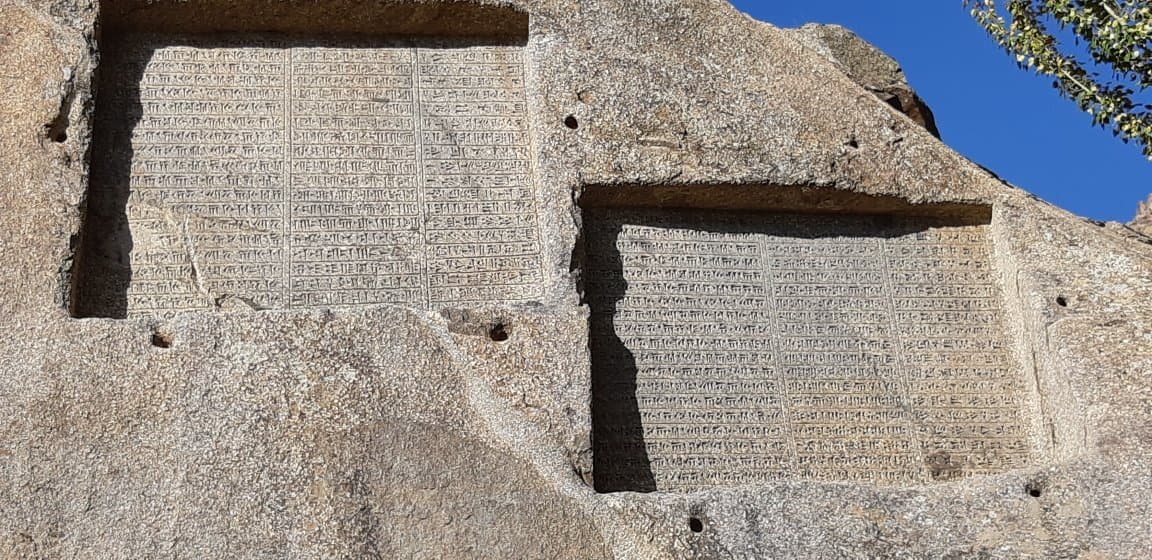
Ganjnameh features two large rock carvings from the Achaemenid era, commissioned by Darius I and Xerxes I. Located in a scenic mountain valley, the inscriptions are in three ancient languages: Old Persian, Elamite, and Babylonian. Visitors can view these historical artifacts while enjoying the natural surroundings, with waterfalls and walking paths nearby. The site is accessible year-round, but mornings offer cooler temperatures and fewer crowds. Plan for about an hour to read the informational plaques and take photos.
Ganjnameh
Why Visit
These inscriptions are crucial for understanding ancient Persian history and epigraphy. They represent royal proclamations from two of Persia's most famous kings, set in a beautiful natural amphitheater. For couples, it's a peaceful start to the trip, combining historical significance with a scenic backdrop perfect for photos and quiet reflection away from the city center.
The site includes a small museum explaining the inscriptions' history. Wear comfortable shoes for the uneven paths. Address: Ganjnameh Road, near the Alvand mountain foothills.
2
Bazaar Life and Architectural Heritage
Day 2 of your journey
3
Museums and Evening Culture
Day 3 of your journey
4
Local Crafts and Farewell Feast
Day 4 of your journey
Before You Go
Essential Travel Tips
Use taxis or ride-hailing apps like Snapp for getting around; public buses are less convenient for tourists.
Carry cash (Iranian rials) as credit cards from foreign banks generally don't work due to sanctions.
Dress modestly, especially women should wear a headscarf in public, as it's a conservative city.
Learn basic Persian phrases like 'salam' (hello) and 'mersi' (thank you); English is not widely spoken.
Stay hydrated and use sunscreen, as Hamadān's altitude (around 1,800 meters) can lead to strong sun.
Check opening hours for attractions, as they may close for midday breaks or religious holidays.
Bargain in bazaars and for taxi fares, but not in restaurants or fixed-price shops.
Be respectful when photographing people; ask permission, especially in religious sites.
When to Go
Best Time to Visit
The best time to visit Hamadān is during spring (April to June) and autumn (September to October). Spring brings mild temperatures, blooming flowers, and comfortable conditions for exploring outdoor sites. Autumn offers crisp air and fewer tourists, with pleasant daytime temperatures. Summers (July-August) can be hot and dry, though evenings are cooler due to the altitude. Winters (December-February) are cold with occasional snow, which can limit access to some mountain areas but adds a scenic touch. Avoid Nowruz (Persian New Year in late March) if you prefer smaller crowds, as it's a peak travel period domestically.
Local Insights & Tips
Hamadān is known for its polite and hospitable residents, who often welcome visitors warmly. The city has a relaxed pace compared to larger Iranian metros, with a strong sense of community. Tea (chai) is central to social life; accept invitations for tea if offered. Friday is the weekly holiday, so some shops may close, but parks and restaurants are busy. The local cuisine is distinctive, featuring dishes like kufteh Hamadāni and āsh-e reshteh, which reflect the region's agricultural products. Respect religious customs, particularly during Ramadan, when eating in public during daylight hours is frowned upon. Neighborhoods like Lalejin specialize in crafts, showcasing traditional skills still practiced today.