4 DaysIranprovince
Hormozgān
Your 4-day travel guide
The optimal time to visit Hormozgān is from November to March when temperatures are milder, typically ranging from 15°C ...
Hormozgān•4D•All
Hormozgān, Iran
Duration:4 Days
Activities:12
Best for:All travelers
Persian Gulf Flavors and Island Heritage
Hormozgān Province in southern Iran offers a unique coastal experience where Persian, Arab, and African influences blend along the shores of the Persian Gulf. This region is defined by its strategic maritime history, colorful landscapes, and distinctive cuisine shaped by centuries of trade. From the historic port city of Bandar Abbas to the surreal red soil of Hormuz Island, visitors discover a world of spice markets, traditional music, and warm hospitality. The province's islands provide secluded beaches and geological wonders, while mainland towns showcase authentic local life. This itinerary focuses on cultural immersion and culinary exploration, perfect for couples seeking meaningful connections with Iran's southern coastal heritage.
Get Real Local Advice
Ask someone who actually lives in Hormozgān
1
Port City Culture and Market Exploration
Day 1 of your journey
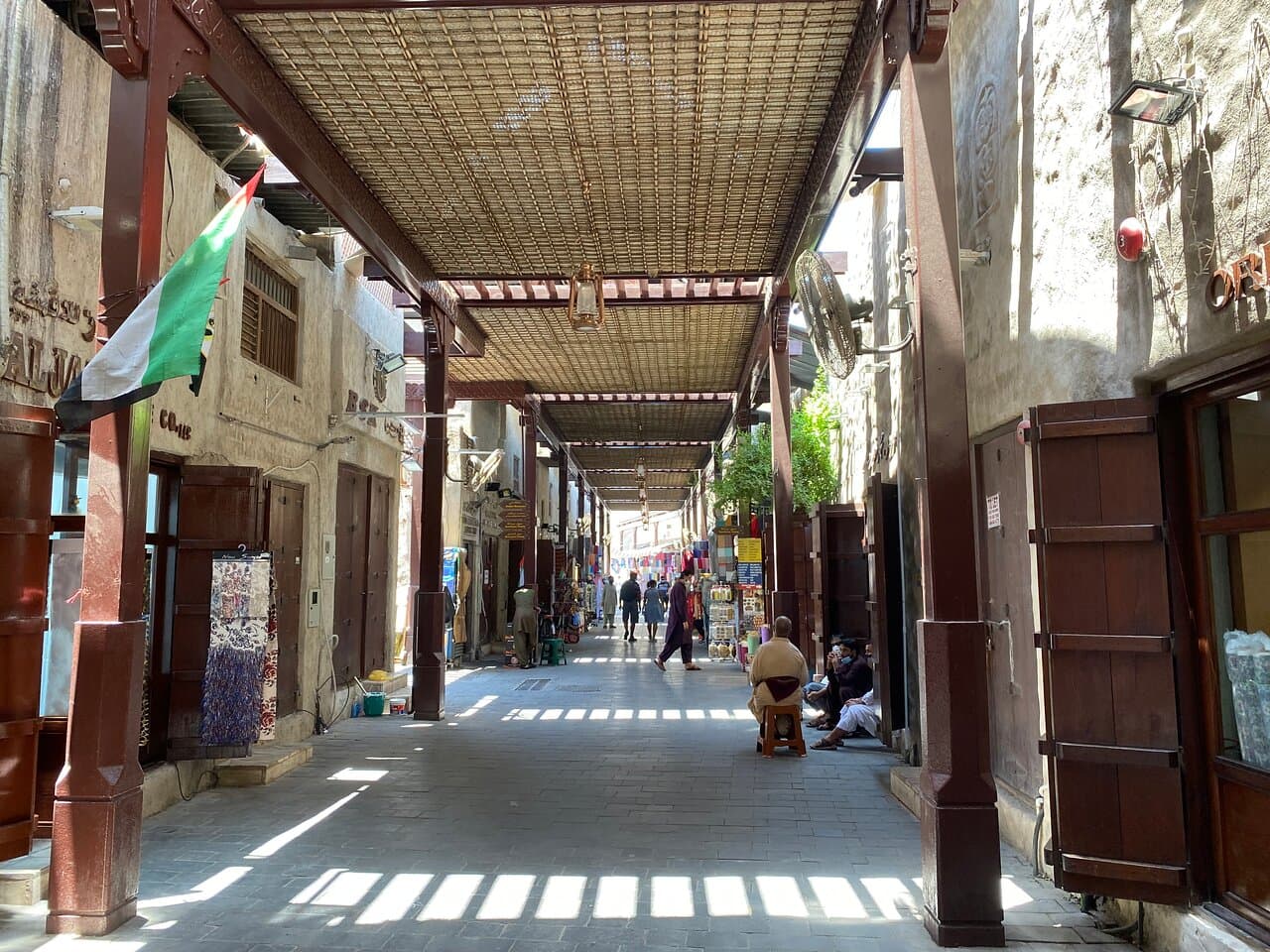
Start your day at Bandar Abbas's main traditional market, a lively hub of commerce since the Safavid era. Wander through covered alleys filled with vendors selling local spices like saffron and turmeric, dried fish, dates, and handicrafts. You'll experience the authentic atmosphere of Persian Gulf trade, with merchants bargaining in local dialects. The market is busiest in the morning when fresh goods arrive. Allow time to observe daily life and sample local snacks from food stalls. The architecture features traditional Persian market design with vaulted ceilings providing shade.
Bandar Abbas Bazaar (Bazaar-e Bozorg)
Why Visit
This bazaar represents the commercial heart of Hormozgān and offers direct access to local culture through its products and people. For couples, it provides an authentic shared experience of discovery, with opportunities to find unique spices and crafts while observing traditional trading practices. The sensory experience of aromas, colors, and sounds creates memorable moments of cultural immersion.
Visit the spice section first when vendors are most fresh. Bargaining is expected but be respectful. Address: Bandar Abbas Bazaar, Imam Khomeini Street.
2
Island Geology and Artistic Heritage
Day 2 of your journey
3
Qeshm Island Culture and Natural Wonders
Day 3 of your journey
4
Coastal Towns and Culinary Traditions
Day 4 of your journey
Before You Go
Essential Travel Tips
Iran's currency is the Iranian Rial (IRR), but prices are often quoted in Tomans (1 Toman = 10 Rials). Carry cash as international credit cards don't work due to sanctions.
Basic Persian phrases are helpful, though in tourist areas some English is spoken. Learn greetings like 'Salam' (hello) and 'Merci' (thank you).
Dress modestly, especially for women who should wear headscarves in public. Light, loose clothing works well in the heat while respecting local norms.
Hormozgān has a hot desert climate. Stay hydrated, use sun protection, and plan outdoor activities for cooler morning or late afternoon hours.
Ferry schedules between islands can change based on weather and demand. Confirm times in advance and arrive early for departures.
Bargaining is expected in markets but be respectful. Start at about 60% of the asking price and negotiate politely.
Tap water is generally safe in cities, but bottled water is widely available and recommended for sensitive stomachs.
Friday is the weekly holiday in Iran. Some attractions may have reduced hours or be closed, though markets are often busy.
When to Go
Best Time to Visit
The optimal time to visit Hormozgān is from November to March when temperatures are milder, typically ranging from 15°C to 25°C (59°F to 77°F). These winter months offer comfortable conditions for exploring outdoor sites and markets. Avoid the summer months (June to September) when temperatures often exceed 40°C (104°F) with high humidity, making outdoor activities challenging. Spring (March to May) can be pleasant but increasingly warm. The region receives minimal rainfall year-round, so weather is generally predictable. Some cultural events and festivals occur during cooler months, adding to the experience.
Local Insights & Tips
Hormozgān's culture blends Persian, Arab, and African influences shaped by centuries of maritime trade. The local Bandari people have distinct traditions, music, and dialects different from other Iranian regions. Hospitality is important, with guests often offered tea or dates. Respect religious customs, especially during Ramadan when eating in public during daylight hours is inappropriate. The pace of life is generally relaxed, particularly on islands. Traditional music features distinctive rhythms and instruments like the dammam drum. Family and community ties are strong. When visiting homes or religious sites, remove shoes as customary. Photography is generally permitted but ask permission when photographing people, especially women. The region's history as a trading crossroads creates openness to visitors who show respect for local ways.