4 DaysIran
Orūmīyeh
Your 4-day travel guide
The best time to visit Orūmīyeh is during spring (April to June) and autumn (September to October). Spring offers mild t...
Orūmīyeh•4D•All
Orūmīyeh, Iran
Duration:4 Days
Activities:12
Best for:All travelers
Salt Lake Sunsets and Ancient Bazaars
Orūmīyeh, located in northwestern Iran near the Turkish border, is a city with deep historical roots and a unique cultural identity. As the largest city in West Azerbaijan Province, it serves as a regional hub with a mix of Azeri, Kurdish, and Persian influences. The city is famous for its proximity to Lake Urmia, once one of the largest salt lakes in the world, though environmental challenges have affected it in recent years. Orūmīyeh offers visitors historical mosques, traditional bazaars, and distinctive local cuisine that reflects its diverse heritage. For couples interested in culture and food, this city provides authentic experiences away from mainstream tourist trails.
Get Real Local Advice
Ask someone who actually lives in Orūmīyeh
1
Historical and Architectural Discovery
Day 1 of your journey
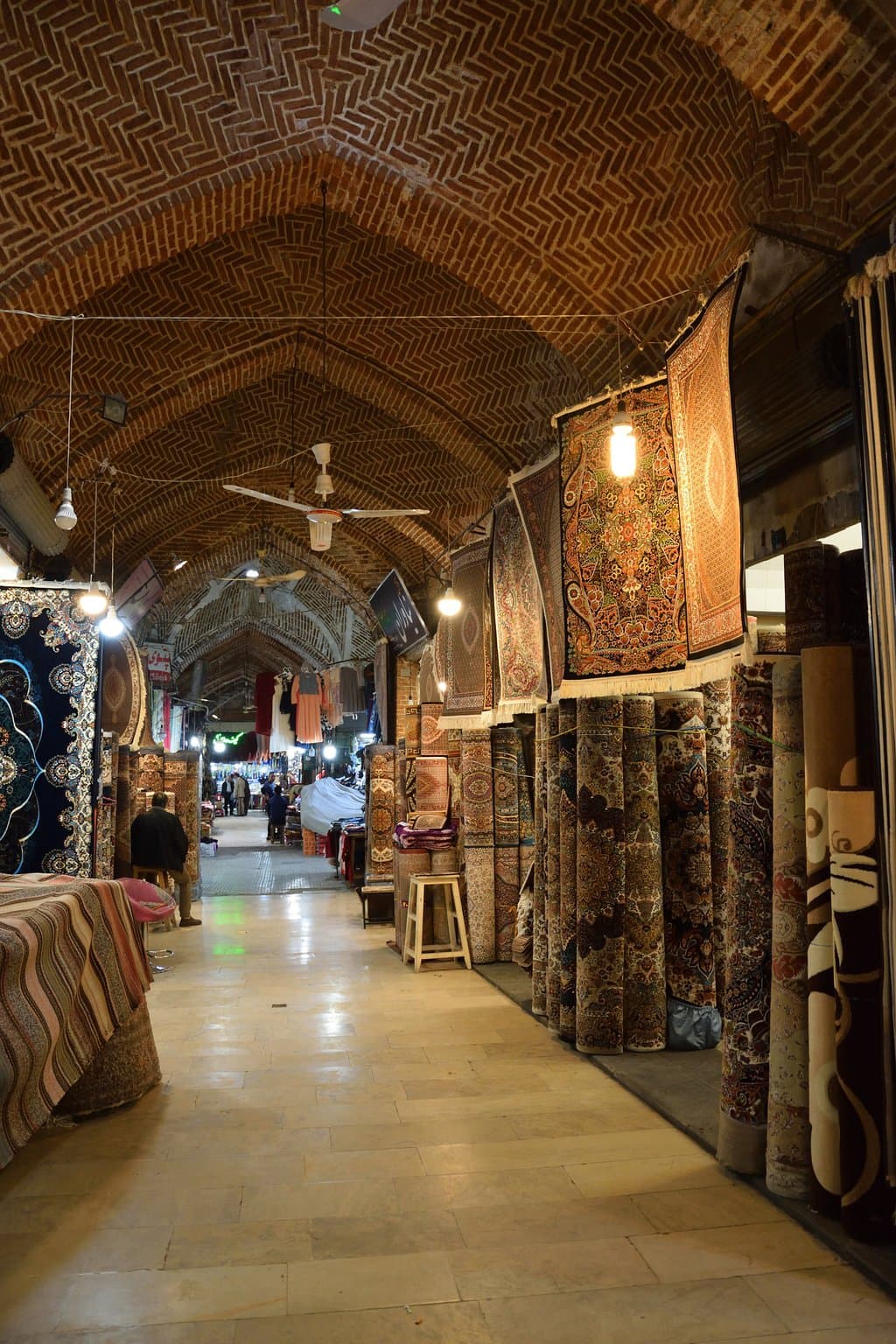
Start your day at the traditional Orūmīyeh Bazaar, a covered market that has been a commercial center for centuries. Wander through its arched passageways filled with shops selling spices, dried fruits, carpets, and local handicrafts. The bazaar architecture features brick vaults and domes typical of Persian markets. This is a living marketplace where locals shop daily, offering an authentic glimpse into daily life. Visit in the morning when it's less crowded, and allow about 2 hours to explore the main sections and perhaps enjoy a tea at one of the small cafes.
Orūmīyeh Bazaar
Why Visit
The Orūmīyeh Bazaar is central to understanding the city's commercial history and local culture. As a couple, you can enjoy browsing unique items together, from colorful spices to traditional textiles, in a setting that feels timeless. It's an excellent introduction to the region's trade traditions and provides opportunities for meaningful interactions with shopkeepers.
Look for shops selling local honey and dried lake salt, which are regional specialties. The bazaar is located in the city center, easily accessible from most areas.
2
Cultural Immersion and Local Life
Day 2 of your journey
3
Lake Exploration and Regional Specialties
Day 3 of your journey
4
Neighborhood Exploration and Farewell Dining
Day 4 of your journey
Before You Go
Essential Travel Tips
Currency is the Iranian rial (IRR). Cash is essential as international credit cards don't work due to sanctions. Exchange money at authorized exchange offices in the city.
Dress modestly, especially women who should cover hair with a headscarf in public. Loose clothing that covers arms and legs is appropriate for both genders.
Basic Persian phrases are helpful. English is not widely spoken, but younger people and those in tourism may know some. A translation app can be useful.
Public transportation includes buses and shared taxis. Taxis are affordable for couples; agree on price before getting in or use ride-hailing apps if available.
Orūmīyeh is generally safe, but take normal precautions with valuables. Political demonstrations should be avoided.
Friday is the weekly holiday when some attractions may have limited hours or be closed. Plan accordingly.
Tap water is generally safe in cities, but bottled water is widely available and recommended for visitors.
Iran uses Type C and F electrical outlets (220V). Bring appropriate adapters for your devices.
When to Go
Best Time to Visit
The best time to visit Orūmīyeh is during spring (April to June) and autumn (September to October). Spring offers mild temperatures, blooming flowers, and comfortable conditions for exploration. Autumn provides pleasant weather before winter cold sets in. Summers (July-August) can be hot, especially in July when temperatures often exceed 30°C (86°F). Winters (December-February) are cold with temperatures sometimes dropping below freezing, and occasional snow. The city doesn't have pronounced tourist seasons, so crowds are rarely an issue regardless of when you visit.
Local Insights & Tips
Orūmīyeh reflects a mix of Azeri, Kurdish, and Persian cultures, with Azeri Turkish widely spoken alongside Persian. The city has a conservative Islamic character, so respectful behavior is important. Hospitality is highly valued; locals may invite you for tea or offer assistance. Meals are social occasions, often beginning with tea and conversation. The bazaar remains a central social and commercial space. Family and community ties are strong. When visiting religious sites or conservative areas, dress modestly. Photography is generally acceptable, but ask permission before photographing people, especially women. Traditional gender roles are more pronounced than in Western countries.