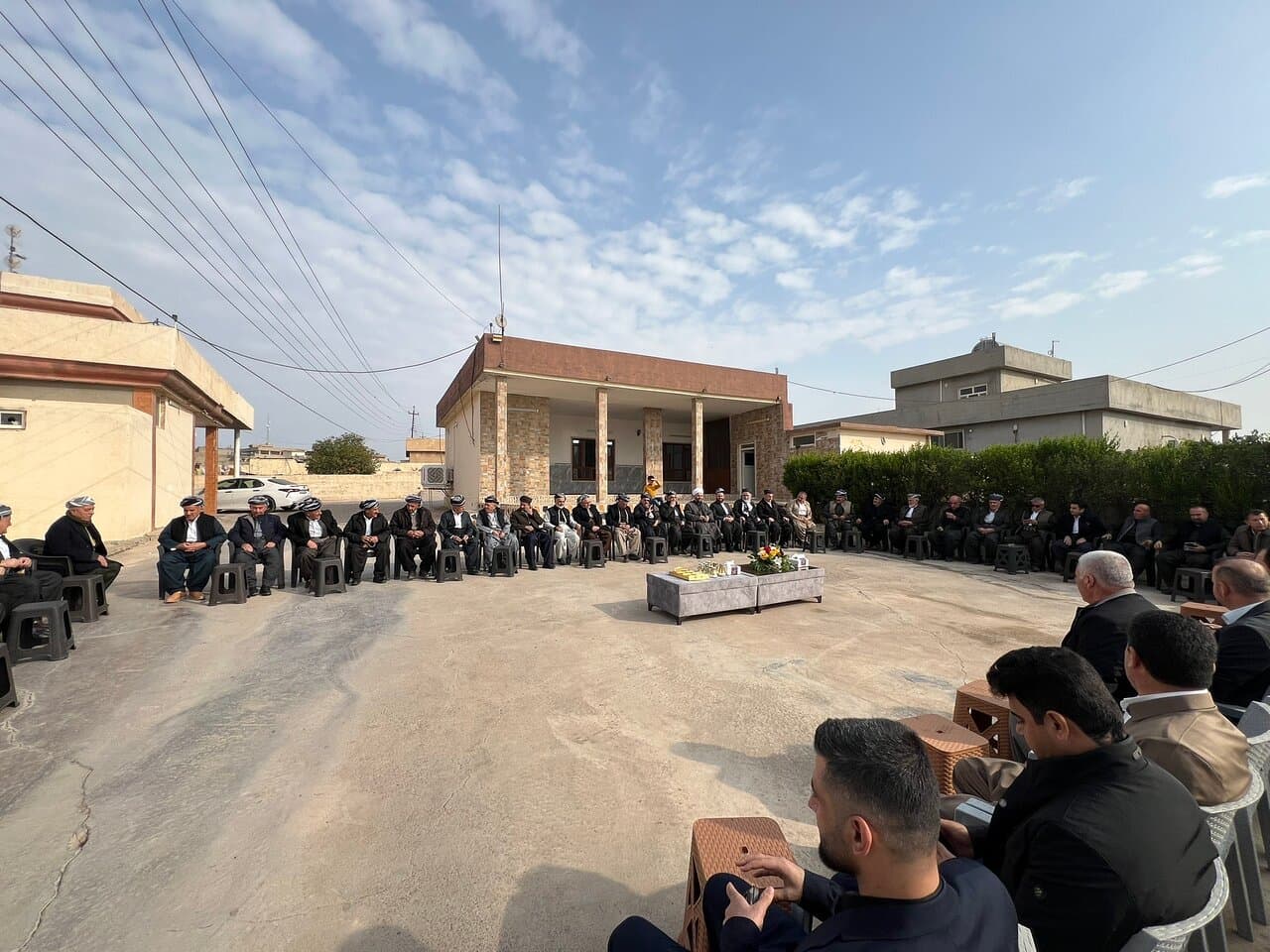
4 DaysIraq
Erbil
Your 4-day travel guide
The best time to visit Erbil is during spring (March to May) and autumn (September to November). Spring offers mild temp...
Erbil•4D•All
Erbil, Iraq
Duration:4 Days
Activities:12
Best for:All travelers
Ancient Citadel and Kurdish Flavors
Erbil, the capital of Iraq's Kurdistan Region, is one of the world's oldest continuously inhabited cities, with a history spanning over 8,000 years. At its heart lies the UNESCO-listed Erbil Citadel, a historic mound that dominates the cityscape. Beyond its ancient roots, Erbil offers a modern urban experience with bustling bazaars, contemporary cafes, and a welcoming Kurdish culture. The city's mix of old and new creates a unique destination where visitors can explore millennia of history while enjoying the hospitality and cuisine that define this resilient region.
Get Real Local Advice
Ask someone who actually lives in Erbil
1
Cultural Heritage and Citadel Exploration
Day 1 of your journey
The Erbil Citadel is a UNESCO World Heritage site and one of the oldest continuously inhabited settlements in the world, dating back over 8,000 years. Visitors can walk through the recently restored pathways, visit the Citadel's traditional houses, and see archaeological exhibits. The site offers panoramic views of the city from its elevated position. Allow 2-3 hours to fully appreciate the history and architecture. Morning visits are recommended to avoid afternoon heat and crowds.
Erbil Citadel
Why Visit
This is the historical and cultural heart of Erbil, offering a tangible connection to millennia of human civilization. The restoration work has preserved traditional Kurdish architecture while making the site accessible. The panoramic views from the Citadel walls provide the best orientation to the city's layout and development.
Visit the Kurdish Textile Museum inside the Citadel to see traditional Kurdish carpets and clothing. The small museum provides cultural context to the site. Address: Inside Erbil Citadel, near the main entrance.
2
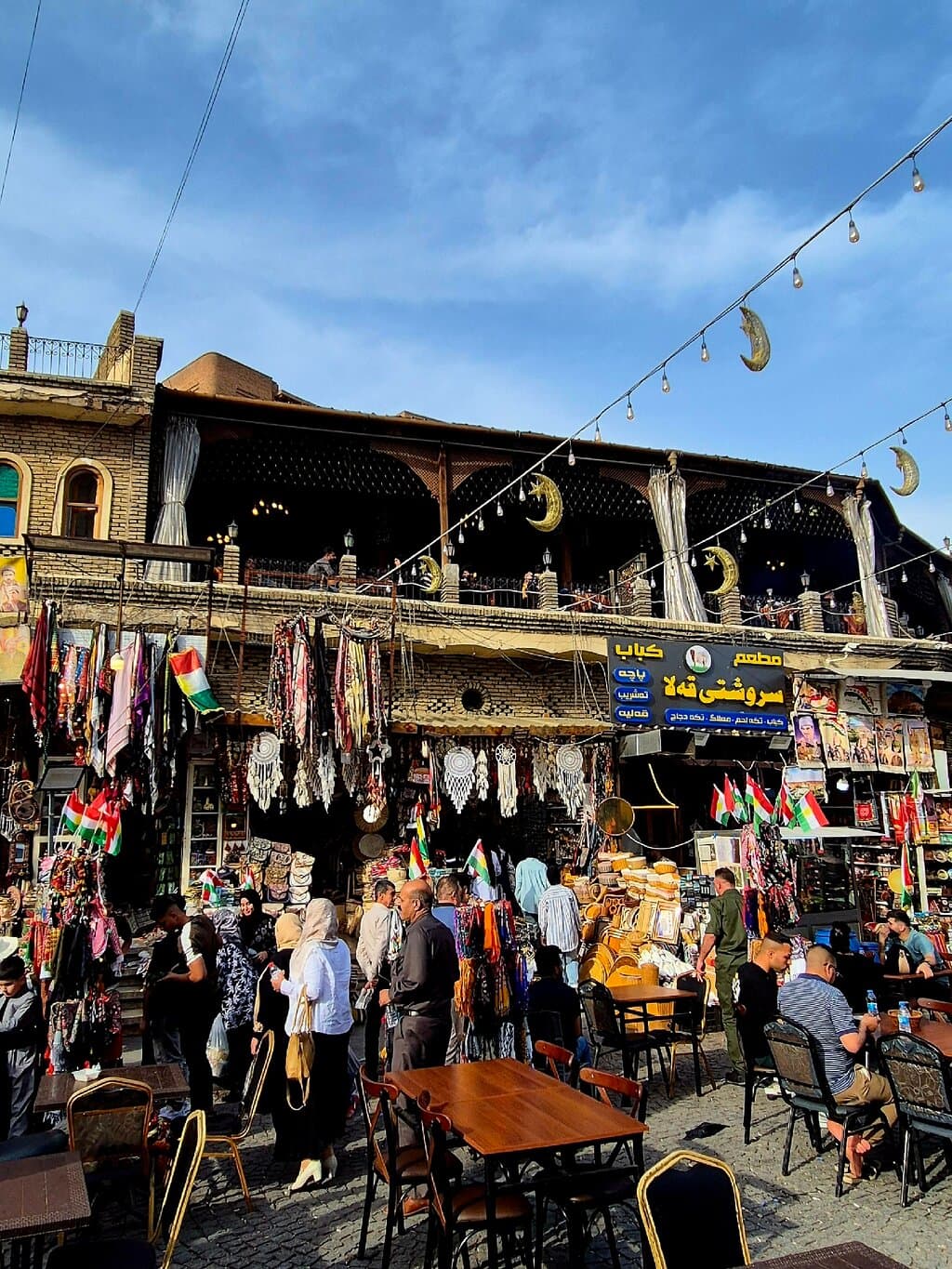
Markets and Modern Erbil
Day 2 of your journey
3
Museums and Contemporary Culture
Day 3 of your journey
4
Local Neighborhoods and Culinary Exploration
Day 4 of your journey
Before You Go
Essential Travel Tips
Currency is the Iraqi Dinar (IQD). Credit cards are accepted in larger hotels and malls, but carry cash for markets and smaller establishments.
Kurdish and Arabic are the main languages. English is widely understood in tourist areas, hotels, and restaurants.
Dress modestly, especially when visiting religious sites. Women should carry a scarf for mosque visits.
Taxis are the main transport. Use orange taxis (registered) and agree on price before getting in, as meters are rarely used.
Erbil is generally safe, but stay aware of surroundings. Avoid political demonstrations and follow local news.
Bargaining is expected in markets but not in fixed-price shops or restaurants. Do so politely.
Friday is the weekly holiday, with reduced hours at some attractions. Plan museum visits for other days.
Tap water is not drinkable. Use bottled water, which is widely available and inexpensive.
When to Go
Best Time to Visit
The best time to visit Erbil is during spring (March to May) and autumn (September to November). Spring offers mild temperatures (15-25°C/59-77°F) and green landscapes after winter rains. Autumn provides similar pleasant weather without spring's occasional dust storms. Summer (June to August) is extremely hot, often exceeding 40°C (104°F), making outdoor exploration difficult. Winter (December to February) can be cold with occasional rain, though temperatures rarely drop below freezing. The Kurdish New Year (Nowruz) in March brings celebrations but also crowds.
Local Insights & Tips
Erbil's culture reflects Kurdish hospitality, where guests are highly valued. Accept offers of tea when shopping—it's a sign of respect and can lead to better prices. The city maintains traditional gender norms; public displays of affection should be minimal. Friday is the main prayer day, affecting opening hours. Kurdish identity is strong and political topics should be approached cautiously. Meals are social events—expect to share dishes family-style. Tipping is appreciated but not mandatory; 10% in restaurants is generous. Despite challenges, Erbil residents are proud of their city and generally welcoming to respectful visitors interested in their culture.