4 DaysIsrael
Jerusalem
Your 4-day travel guide
Spring (April to May) and autumn (September to October) offer mild temperatures, ideal for walking and outdoor activitie...
Jerusalem•4D•All
Jerusalem, Israel
Duration:4 Days
Activities:12
Best for:All travelers
Ancient Stones and Modern Flavors
Jerusalem is a city where history lives in every stone and culinary traditions span millennia. As one of the world's oldest continuously inhabited cities, it offers layers of cultural heritage from the Western Wall to the Church of the Holy Sepulchre. The mix of Jewish, Muslim, Christian, and Armenian communities creates a unique urban fabric. For couples seeking culture and food, Jerusalem provides intimate experiences like quiet moments in ancient alleys and shared meals featuring Middle Eastern specialties. This itinerary balances profound historical sites with contemporary dining, all within a compact urban area that invites leisurely exploration.
Get Real Local Advice
Ask someone who actually lives in Jerusalem
1
Old City Foundations
Day 1 of your journey
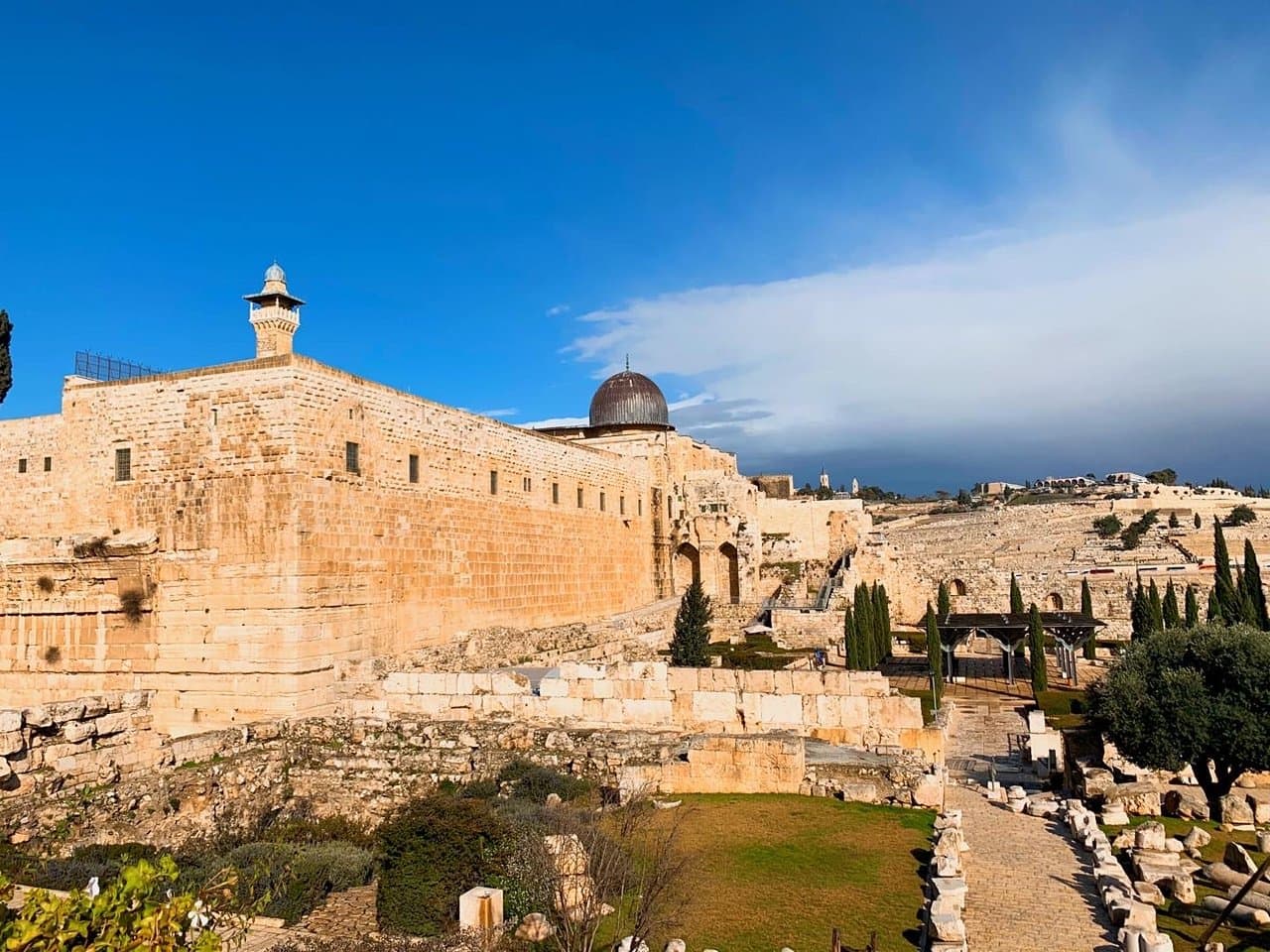
The Western Wall is the last remnant of the Second Temple, a sacred site where visitors can observe prayers and place written notes in the cracks. The adjacent Jewish Quarter features archaeological sites like the Cardo, a restored Roman street, and synagogues. Plan for 2-3 hours to walk through the narrow lanes and visit the Hurva Synagogue. Early morning avoids the largest crowds. Modest dress is required; shoulders and knees should be covered.
Western Wall and Jewish Quarter
Why Visit
This area offers direct connection to Jerusalem's ancient history and religious significance. The Western Wall provides a powerful cultural experience, while the Jewish Quarter's archaeological parks reveal layers of civilization. For couples, it's a chance to witness traditions together in a setting that has drawn pilgrims for centuries.
Visit the Western Wall Tunnels tour for an underground perspective (book ahead). Address: Western Wall Plaza, Old City. The nearby Aish HaTorah World Center has a rooftop with panoramic views of the Temple Mount.
2
Cultural Depth and Modern Tastes
Day 2 of your journey
3
Spiritual Sites and Local Flavors
Day 3 of your journey
4
Neighborhood Exploration and Farewell Feast
Day 4 of your journey
Before You Go
Essential Travel Tips
Use the light rail for easy access to downtown and Mahane Yehuda Market; buy a Rav-Kav card for multiple rides.
The local currency is the Israeli shekel (ILS); credit cards are widely accepted, but carry cash for small vendors and markets.
Hebrew and Arabic are official languages; English is commonly spoken in tourist areas.
Dress modestly when visiting religious sites: cover shoulders and knees for both men and women.
Friday sunset to Saturday sunset is Shabbat; public transport stops, and many businesses close, so plan accordingly.
Stay hydrated and wear sunscreen, especially in summer; Jerusalem's elevation can make sun exposure intense.
Be respectful at sensitive sites; avoid loud conversations or inappropriate behavior at holy places.
Tipping is expected in restaurants, usually 10-12%; check if service charge is included.
When to Go
Best Time to Visit
Spring (April to May) and autumn (September to October) offer mild temperatures, ideal for walking and outdoor activities. Summer (June to August) can be hot and dry, with temperatures often above 30°C (86°F), though evenings are cooler. Winter (December to February) is cooler with occasional rain, and rare snow can occur. Tourist crowds are highest during Jewish holidays like Passover and Christian holidays like Easter, so consider timing if preferring quieter visits.
Local Insights & Tips
Jerusalem is a city of deep religious significance for Judaism, Christianity, and Islam, which influences daily life and customs. Respect local traditions by dressing modestly in religious neighborhoods and during Shabbat (Friday evening to Saturday evening), when many services slow down. The mix of communities creates diverse culinary scenes, from Armenian bakeries to Palestinian hummus spots. Neighborhoods like Ein Karem and the German Colony offer quieter alternatives to the bustling Old City. Public interactions are generally warm, but be aware of political sensitivities; avoid discussions on contentious topics. Tipping in restaurants is customary, around 10-12%.