4 DaysItalyprovince
Abruzzo
Your 4-day travel guide
The ideal times to visit Abruzzo are late spring (May-June) and early autumn (September-October). During these periods, ...
Abruzzo•4D•All
Abruzzo, Italy
Duration:4 Days
Activities:12
Best for:All travelers
Medieval Towns and Mountain Flavors
Abruzzo offers a compelling blend of rugged natural beauty and deep cultural heritage, making it an ideal destination for couples seeking authentic Italian experiences. Located in central Italy between the Apennine Mountains and the Adriatic Sea, this region features well-preserved medieval hill towns, ancient ruins, and a distinctive culinary tradition centered on local ingredients like saffron, lamb, and Montepulciano d'Abruzzo wine. The pace here is slower than in Italy's more famous tourist regions, allowing for genuine connections with local traditions and landscapes. This itinerary balances cultural exploration with culinary discovery across several of Abruzzo's most characteristic towns.
Get Real Local Advice
Ask someone who actually lives in Abruzzo
1
Medieval L'Aquila and Regional History
Day 1 of your journey
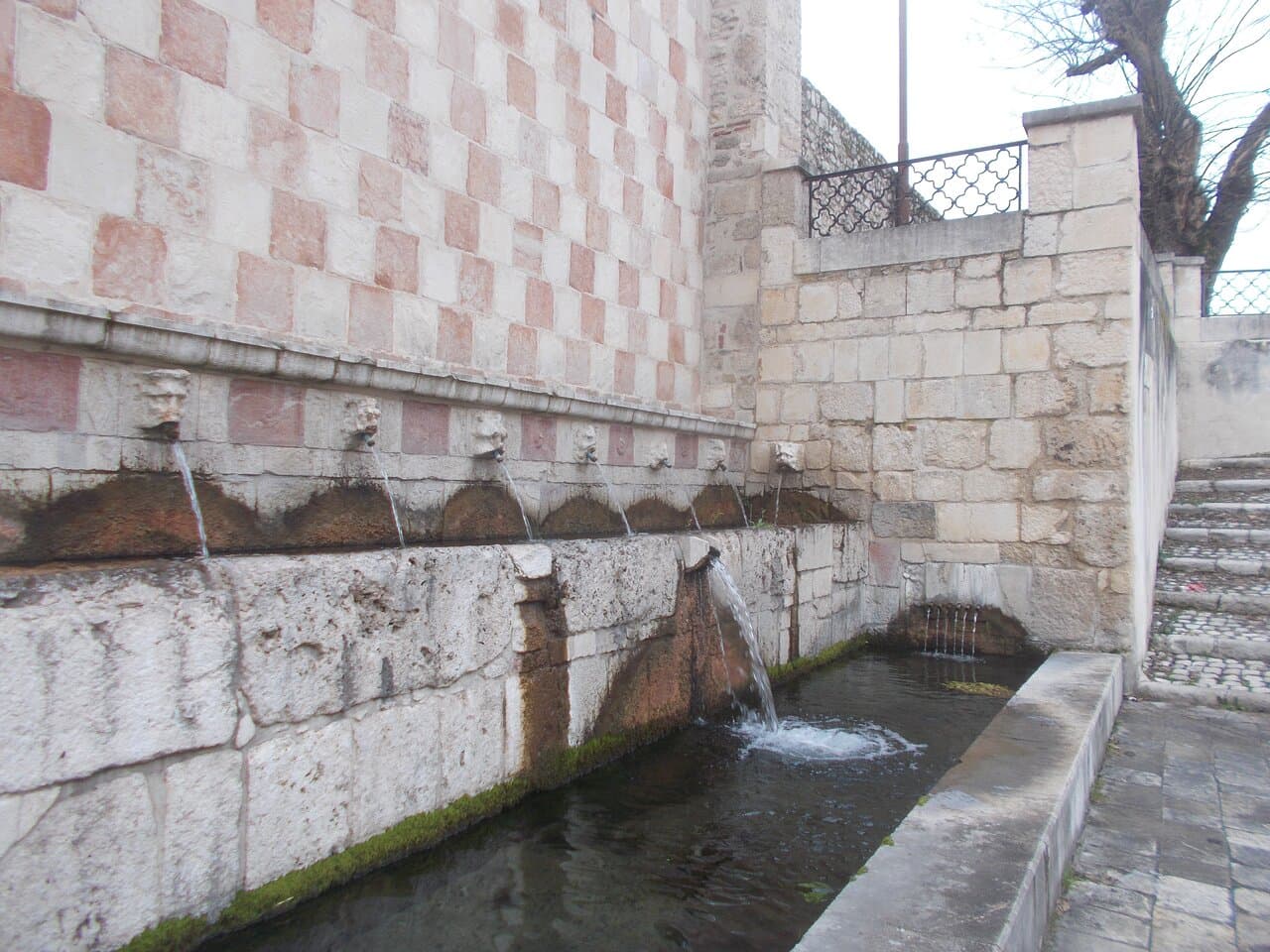
Begin your Abruzzo journey at this unique 13th-century fountain located in the Rivera district. The fountain features 99 stone masks with water spouts, each representing one of the castles that founded L'Aquila. This is one of the city's most important medieval monuments, beautifully restored after earthquake damage. Visitors can admire the intricate stonework and learn about local history through informational plaques. The surrounding area offers quiet streets perfect for a morning stroll. Allow about an hour to appreciate the details and take photographs.
Fontana delle 99 Cannelle
Why Visit
This fountain represents the founding mythology of L'Aquila and showcases exceptional medieval craftsmanship. The 99 spouts symbolize the unity of surrounding communities that created the city, making it a meaningful introduction to Abruzzo's history. The restoration work demonstrates local resilience and preservation efforts following the 2009 earthquake.
Visit in the morning when the light highlights the stone details. The fountain is located at Piazza della Rivera. Combine this with a walk through the adjacent Santa Maria di Collemaggio area.
2
Sulmona's Confetti and Medieval Charm
Day 2 of your journey
3
Scanno's Lake and Traditional Craft
Day 3 of your journey
4
Pescara's Coast and Regional Farewell
Day 4 of your journey
Before You Go
Essential Travel Tips
Rent a car for maximum flexibility between towns, as public transportation between smaller locations can be limited.
Learn basic Italian phrases; while tourist areas have some English speakers, local interactions are enhanced with Italian effort.
Carry some cash (euros) as smaller establishments, especially in towns like Scanno, may not accept credit cards.
Check seasonal opening hours for museums and restaurants, particularly outside summer months.
Dress respectfully when visiting churches; shoulders and knees should be covered.
Parking in historic centers is often restricted; use designated parking areas outside old town walls.
Purchase regional food products like saffron, Montepulciano d'Abruzzo wine, or confetti as authentic souvenirs.
Allow extra time for mountain driving between locations, as roads can be winding and scenic.
When to Go
Best Time to Visit
The ideal times to visit Abruzzo are late spring (May-June) and early autumn (September-October). During these periods, temperatures are mild (15-25°C/59-77°F), perfect for exploring towns and moderate hiking. Wildflowers bloom in spring, and autumn offers harvest festivals and colorful foliage. Summer (July-August) can be hot, especially in inland areas, but coastal Pescara provides relief. Beaches are busiest in summer. Winter brings snow to mountain towns like Scanno, creating picturesque scenes but potentially limiting access to some roads or sites. Some museums may have reduced hours outside peak tourist season.
Local Insights & Tips
Abruzzo maintains strong regional traditions distinct from more tourist-heavy parts of Italy. The pace of life is generally slower, with emphasis on family, food, and local festivals. Mealtimes are important social occasions; lunch is typically the main meal, taken around 1 PM, and dinner later (8 PM onwards). Many shops close for several hours in the afternoon (riposo). Respect for religious sites is expected; dress modestly when entering churches. The region has a reputation for hospitality (ospitalità) toward visitors who show interest in local culture. Traditional crafts like Scanno's silver filigree or Sulmona's confetti are sources of local pride. Abruzzese people often have deep connections to their specific town or valley, with distinct identities within the region.