4 DaysJapan
Itabashi
Your 4-day travel guide
The best times to visit Itabashi are spring (late March to early May) and autumn (October to November). Spring offers mi...
Itabashi•4D•All
Itabashi, Japan
Duration:4 Days
Activities:12
Best for:All travelers
Temples, Tastes, and Tranquil Gardens in Tokyo's Northern Ward
Itabashi, a residential ward in northern Tokyo, offers a quieter, more local experience away from the city's busiest tourist centers. Known for its rich history, numerous temples, and deep connection to traditional crafts and agriculture, it provides a genuine look at everyday Tokyo life. For couples interested in culture and food, Itabashi is a perfect destination to explore serene gardens, historic sites, and neighborhood eateries serving classic Japanese dishes. Its relaxed pace allows for intimate discovery, from ancient Buddhist statues to modern culinary delights found in local shotengai (shopping streets).
Get Real Local Advice
Ask someone who actually lives in Itabashi
1
Cultural Heritage and Temple Exploration
Day 1 of your journey
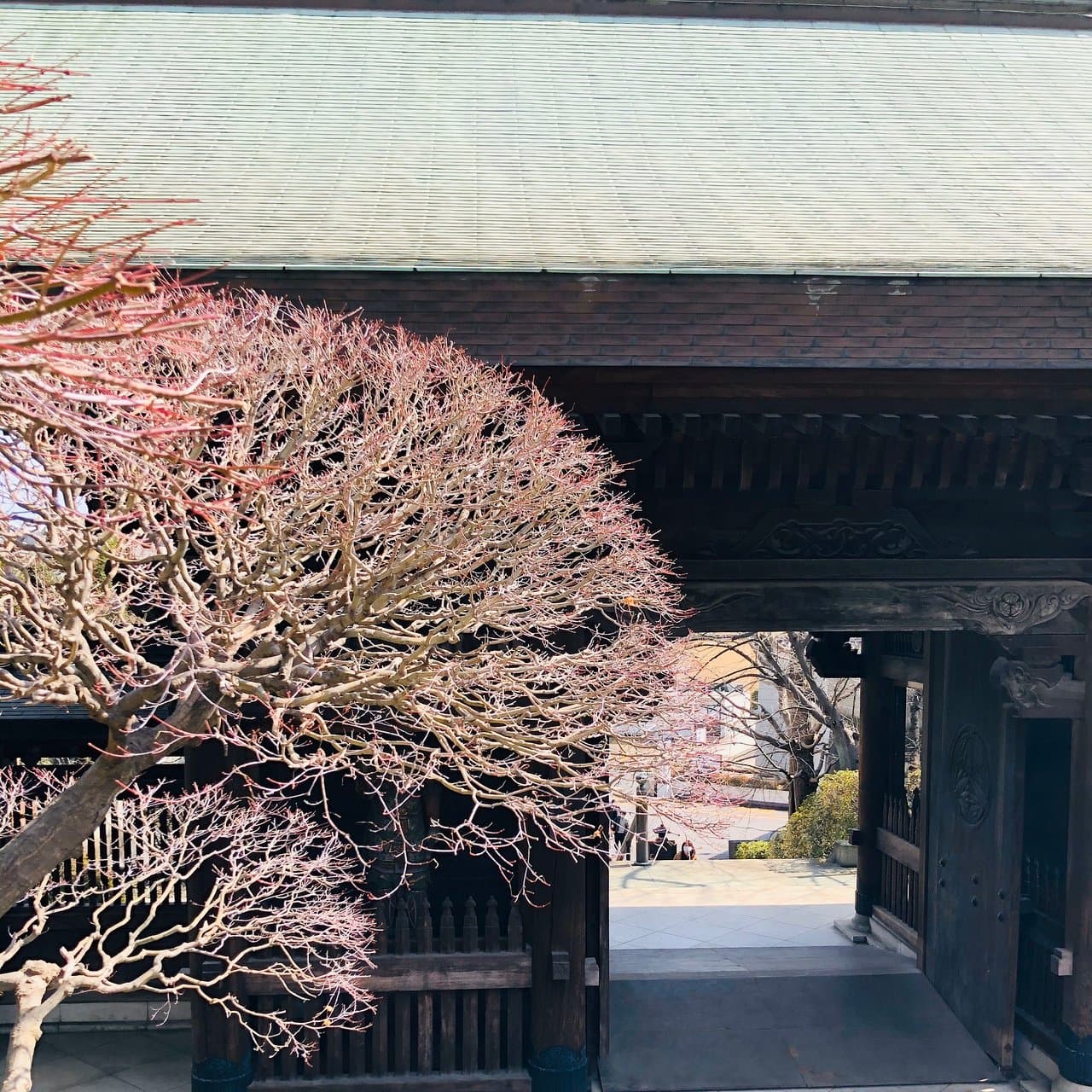
Jorenji is a Buddhist temple founded in 1602, known for its serene atmosphere and important cultural properties. Visitors can explore the main hall, admire the beautiful garden, and see the temple's collection of statues, including a notable Jizo Bosatsu. The temple grounds are peaceful, offering a quiet escape. A typical visit lasts about an hour, and it's best visited in the morning when it's less crowded. The temple is also famous for its hydrangea blooms in early summer.
Jorenji Temple
Why Visit
Jorenji provides a deep dive into Edo-period Buddhism and architecture right in Itabashi. Its historical significance as a temple established by the Tokugawa shogunate and its well-preserved state make it a key cultural site. For couples, the tranquil garden and quiet halls offer a romantic, contemplative space to start their cultural journey together.
Look for the small statue of Binzuru, a healing Buddha, near the main hall. Visitors often rub the part of the statue corresponding to an ailment for good health. Address: 1 Chome-25-1 Itabashi, Itabashi City.
2
Gardens, Art, and Local Flavors
Day 2 of your journey
3
Neighborhood Life and Culinary Exploration
Day 3 of your journey
4
Relaxation and Final Tastes
Day 4 of your journey
Before You Go
Essential Travel Tips
Itabashi is well-connected by the Toei Mita Line and JR Saikyo Line; get a Suica or Pasmo card for easy train and bus travel.
Cash is still king in many local restaurants and small shops; carry sufficient yen.
While some English is spoken at major stations, learning basic Japanese phrases like 'sumimasen' (excuse me) and 'arigatou gozaimasu' (thank you) is appreciated.
Itabashi is very safe, even at night, but always be mindful of your belongings in crowded areas.
Public baths (sento) have strict etiquette: wash thoroughly before entering the bath, and tattoos may be prohibited; check policies in advance.
Tipping is not customary in Japan; excellent service is standard and included.
Many museums and attractions are closed on Mondays or Tuesdays; check opening days before visiting.
Convenience stores (konbini) like 7-Eleven or FamilyMart are great for snacks, drinks, and ATM withdrawals.
When to Go
Best Time to Visit
The best times to visit Itabashi are spring (late March to early May) and autumn (October to November). Spring offers mild weather and the famous cherry blossoms, particularly beautiful in Shakujii Park. Autumn features comfortable temperatures and vibrant fall foliage. Summer (June to September) can be hot and humid, though it's the season for unagi and festivals. Winter (December to February) is cold but dry, with fewer tourists; some attractions may have shorter hours. Avoid Golden Week (late April to early May) and Obon (mid-August) if possible, as domestic travel peaks then.
Local Insights & Tips
Itabashi has a strong sense of community and history, with many residents having lived here for generations. It's known for its traditional crafts, like indigo dyeing (aizome), and agriculture, particularly daikon radishes. The pace is slower than central Tokyo, reflecting its residential character. When visiting temples and shrines, observe quiet respect; a small bow before the main hall is customary. In sento, follow bathing etiquette strictly. At restaurants, it's polite to say 'itadakimasu' before eating and 'gochisousama deshita' after. The local shotengai is a social hub, so a friendly demeanor goes a long way. Itabashi hosts several matsuri (festivals) throughout the year, like the Itabashi Summer Festival, which are great opportunities to see traditional performances and food stalls.