4 DaysJapanprovince
Kagawa
Your 4-day travel guide
Spring (March-May) offers mild temperatures, cherry blossoms in early April, and comfortable conditions for temple visit...
Kagawa•4D•All
Kagawa, Japan
Duration:4 Days
Activities:12
Best for:All travelers
Udon, Art Islands, and Ancient Pilgrimage Paths
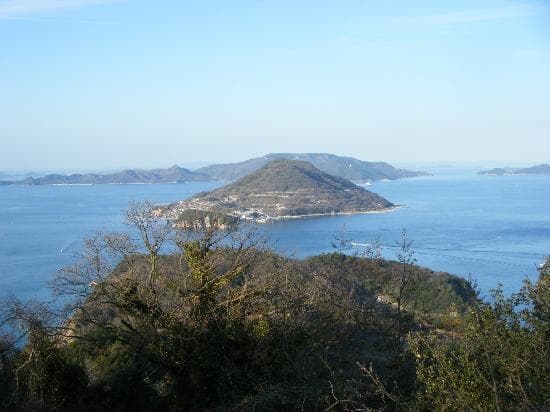
Kagawa Prefecture, the smallest in Japan by area, packs immense cultural and culinary riches into its compact Shikoku island setting. Known as the 'Udon Prefecture' for its famous wheat noodles, Kagawa offers far more than just food—it's home to the 88 Temple Pilgrimage, contemporary art islands in the Seto Inland Sea, and beautifully preserved castle towns. This itinerary explores the region's dual identity: deeply traditional spiritual paths alongside cutting-edge artistic expression, all connected by the warm hospitality and exceptional local cuisine that define this unique corner of Japan.
Get Real Local Advice
Ask someone who actually lives in Kagawa
1
Takamatsu: Castle Gardens and Udon Culture
Day 1 of your journey
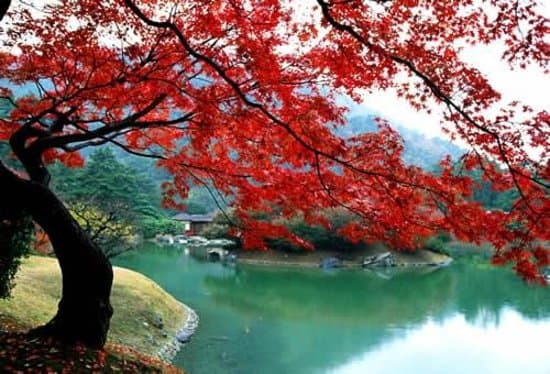
Ritsurin Garden is one of Japan's most celebrated historical gardens, developed over 100 years by feudal lords. This 75-acre garden features six ponds, thirteen hills, and meticulously pruned pine trees with views of Mount Shiun. Visitors can stroll along winding paths, cross traditional bridges, and enjoy matcha tea at the Kikugetsu-tei teahouse overlooking the South Pond. The garden typically takes 1.5-2 hours to explore fully, with morning visits offering the best light for photography and fewer crowds.
Ritsurin Garden
Why Visit
Ritsurin represents the pinnacle of Japanese garden design, blending natural scenery with artistic human intervention. As a designated Special Place of Scenic Beauty, it offers couples a peaceful, romantic setting to appreciate traditional aesthetics. The garden's scale and variety—from formal areas to wilder sections—create a complete cultural experience that showcases Japanese landscape philosophy.
Visit the Sanuki Folk Craft Museum within the garden grounds to see traditional Kagawa crafts. Address: 1-20-16 Ritsurin-cho, Takamatsu. The teahouse serves excellent matcha with traditional sweets for about 500 yen.
2
Naoshima: Art Island Immersion
Day 2 of your journey
3
Kotohira: Pilgrimage and Traditional Crafts
Day 3 of your journey
4
Marugame: Castle and Handmade Crafts
Day 4 of your journey
Before You Go
Essential Travel Tips
Purchase a Seto Inland Sea Area Pass for unlimited travel on JR trains and ferries between Takamatsu, Naoshima, and other destinations
Many smaller restaurants and shops only accept cash, so carry sufficient yen
Remove shoes when entering temples, traditional buildings, and some restaurants—look for shoe shelves at entrances
Download Japanese translation apps as English signage varies, especially outside tourist areas
Purchase bus and ferry tickets in advance when possible, especially for Naoshima trips on weekends
Respect photography rules at temples and museums—some prohibit photos entirely or restrict flash
Carry a small towel as many public restrooms don't provide paper towels
Check festival schedules as Kagawa has numerous local matsuri that can enhance your visit but affect transportation
When to Go
Best Time to Visit
Spring (March-May) offers mild temperatures, cherry blossoms in early April, and comfortable conditions for temple visits and walking. Autumn (September-November) provides pleasant weather, fall foliage in November, and cultural events. Summer (June-August) can be hot and humid, though less crowded, with the Setouchi Triennale art festival in some years. Winter (December-February) is cool with fewer tourists, but some attractions have reduced hours. Avoid Golden Week (late April-early May) and Obon (mid-August) when domestic travel peaks.
Local Insights & Tips
Kagawa balances deep tradition with contemporary creativity. The 88 Temple Pilgrimage shapes local culture—you'll see pilgrims in white clothing visiting temples. Respect this spiritual practice by giving pilgrims right of way on paths. Contemporary art on Naoshima and other islands represents a deliberate cultural revitalization project. Food culture centers on udon, with specific etiquette: slurping noodles shows appreciation. Tipping isn't customary and can cause confusion. Public baths (sento) and foot baths (ashiyu) are popular—learn basic bathing etiquette before visiting. Kagawa people are generally reserved but helpful to visitors who show interest in local traditions.