4 DaysJapan
Kagoshima
Your 4-day travel guide
The best times to visit Kagoshima are spring (March to May) and autumn (October to November). Spring offers mild tempera...
Kagoshima•4D•All
Kagoshima, Japan
Duration:4 Days
Activities:12
Best for:All travelers
Volcano Views, Samurai History, and Kurobuta Delights
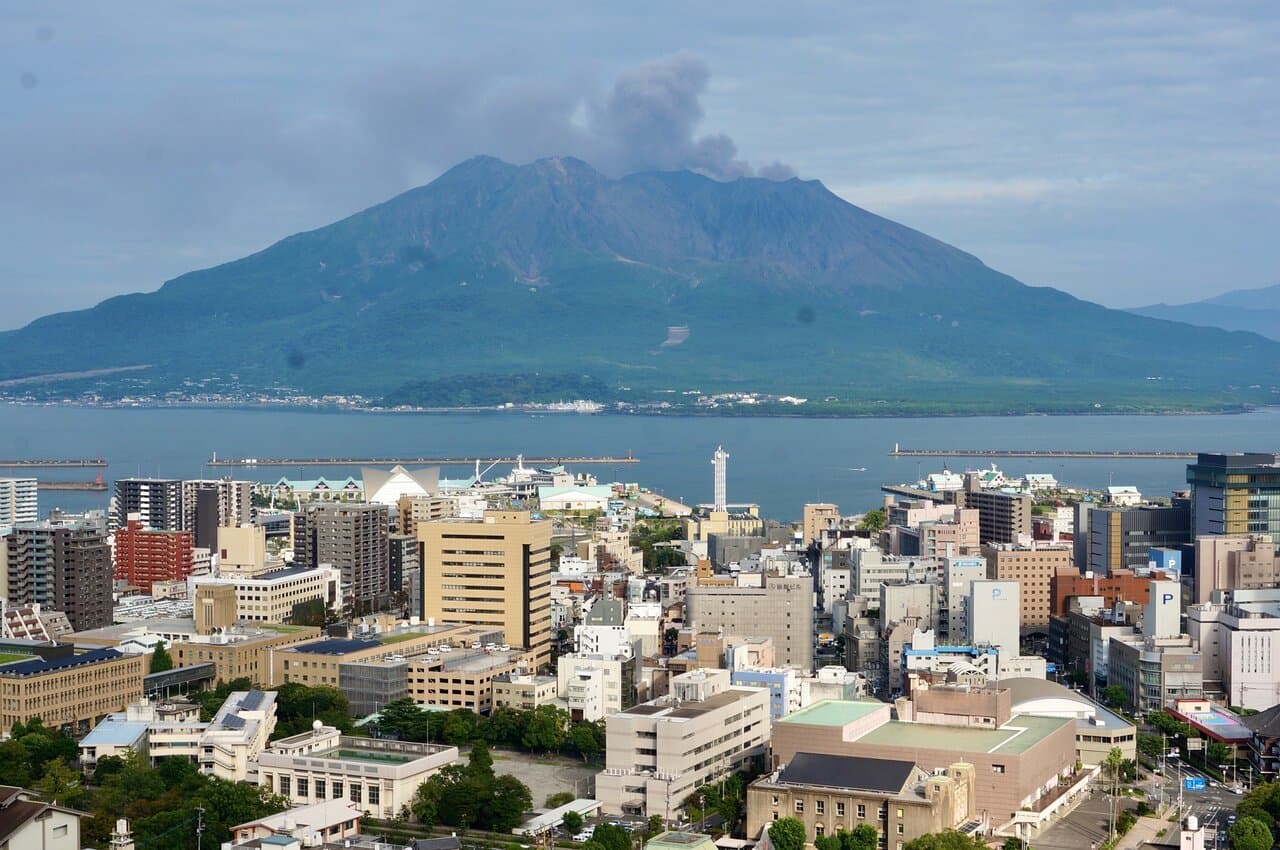
Kagoshima, located on Japan's southern Kyushu island, offers a compelling mix of dramatic natural scenery, rich historical heritage, and exceptional cuisine. Dominated by the active Sakurajima volcano across Kinko Bay, the city blends modern urban life with traditional Japanese culture. Known for its warm climate, hot springs, and as the birthplace of the influential Satsuma domain, Kagoshima provides a distinct experience from Japan's more frequented destinations. For couples seeking culture and food, you'll discover serene gardens, fascinating museums detailing samurai history, and opportunities to savor the region's famous Kurobuta pork, sweet potatoes, and shochu spirits in intimate settings.
Get Real Local Advice
Ask someone who actually lives in Kagoshima
1
Volcanic Majesty and Historical Foundations
Day 1 of your journey
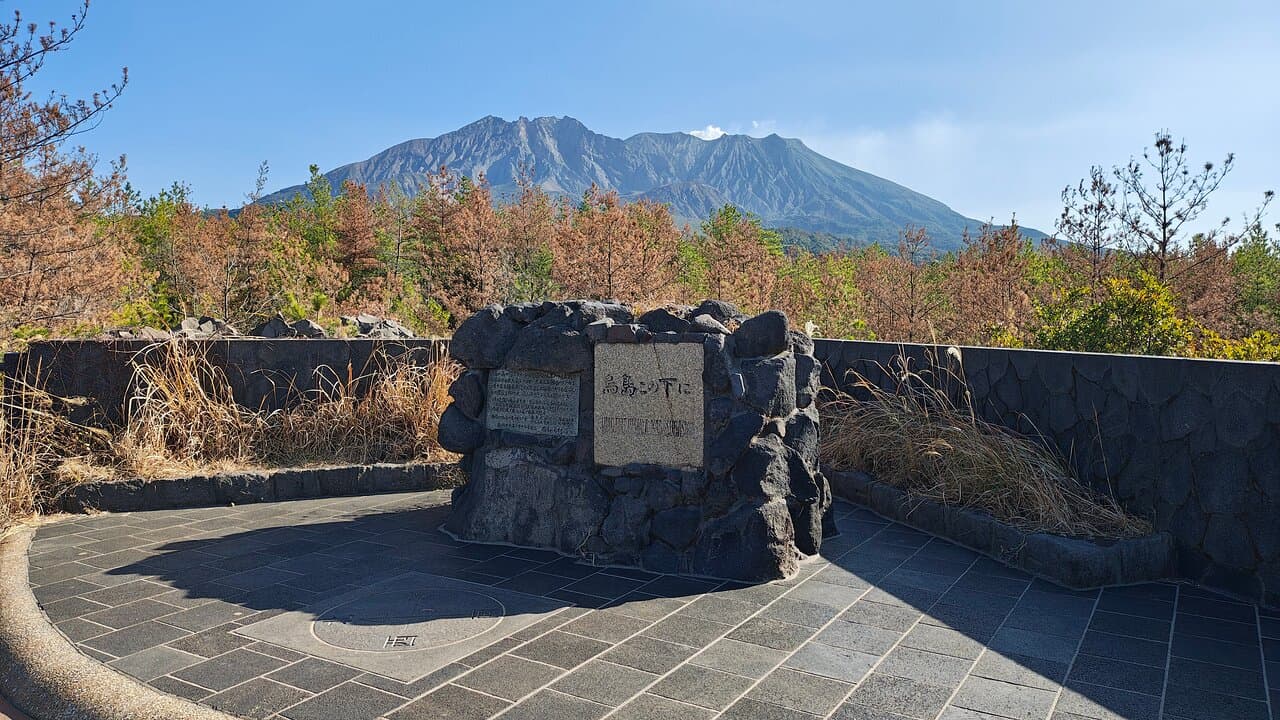
Sakurajima is an active stratovolcano and the symbol of Kagoshima, located in Kinko Bay. Take the 15-minute ferry from Kagoshima Port to Sakurajima Port. Upon arrival, visit the Sakurajima Visitor Center to learn about its geology and history. Then, walk the short Nagisa Lava Trail along the coast, which takes about an hour round trip, passing through unique lava formations. The volcano frequently emits plumes of smoke, offering a dramatic backdrop. Ferries run frequently, and the visitor center is free, making this a flexible morning activity.
Sakurajima
Why Visit
Experiencing an active volcano up close is rare and defines Kagoshima's landscape. The ferry ride provides excellent views of the city skyline with Sakurajima looming, and the lava trail offers a tangible connection to the volcano's power. It's a foundational cultural experience that sets the tone for your trip, highlighting the city's unique relationship with nature.
Check the ferry schedule in advance as times vary. The Nagisa Lava Trail is flat and easy, suitable for all fitness levels. Address: Sakurajima Ferry Terminal, 1-1 Sakurajima Nishikawahama, Kagoshima.
2
Samurai Legacy and City Panoramas
Day 2 of your journey
3
Culinary Immersion and Local Neighborhoods
Day 3 of your journey
4
Gardens, Art, and Farewell Flavors
Day 4 of your journey
Before You Go
Essential Travel Tips
Kagoshima's public transport is centered on streetcars (trams). A one-day pass (approx. 600 yen) is cost-effective for tourists.
The city is very safe, but standard precautions for wallets and passports in crowded areas apply.
While some English is spoken at major tourist sites, learning a few basic Japanese phrases (hello, thank you, excuse me) is appreciated.
Cash is still king in many local restaurants and smaller shops, though credit cards are accepted at hotels and larger stores.
Tipping is not customary in Japan. Excellent service is standard and included.
Purchase a 'Welcome Cute' IC card for easy payment on streetcars and buses; it can also be used at convenience stores.
Kagoshima has many onsen (hot springs). If your hotel has one, try it; remember to wash thoroughly before entering the bath and that tattoos may be restricted.
Check Sakurajima's volcanic activity and weather forecasts, as ferry services can be affected by poor conditions or high alert levels.
When to Go
Best Time to Visit
The best times to visit Kagoshima are spring (March to May) and autumn (October to November). Spring offers mild temperatures, comfortable for sightseeing, and beautiful cherry blossoms typically bloom in late March to early April. Autumn provides clear, sunny days with pleasant temperatures and vibrant fall foliage, especially in the surrounding hills. Summer (June to September) is hot, humid, and rainy, with the rainy season (tsuyu) in June and July and potential typhoons in August and September. Winter (December to February) is mild compared to northern Japan but can be chilly and overcast.
Local Insights & Tips
Kagoshima, historically the Satsuma domain, has a proud, independent spirit. The Shimazu clan's legacy is deeply felt, fostering a culture of innovation and resilience, evident in its role in the Meiji Restoration. Locals are generally friendly but reserved. Politeness is key; a slight bow is a common greeting. When dining, it's polite to say 'itadakimasu' before eating and 'gochisosama deshita' after. The pace of life is relaxed compared to Tokyo or Osaka. Neighborhoods like Tenmonkan are lively commercial hubs, while areas near Sengan-en feel more historical. The constant presence of Sakurajima is a source of both awe and practical consideration for residents.