4 DaysJordan
Al Mafraq
Your 4-day travel guide
The best time to visit Al Mafraq is during the spring (March to May) or autumn (September to November) when temperatures...
Al Mafraq•4D•All
Al Mafraq, Jordan
Duration:4 Days
Activities:12
Best for:All travelers
Desert Heritage and Jordanian Hospitality
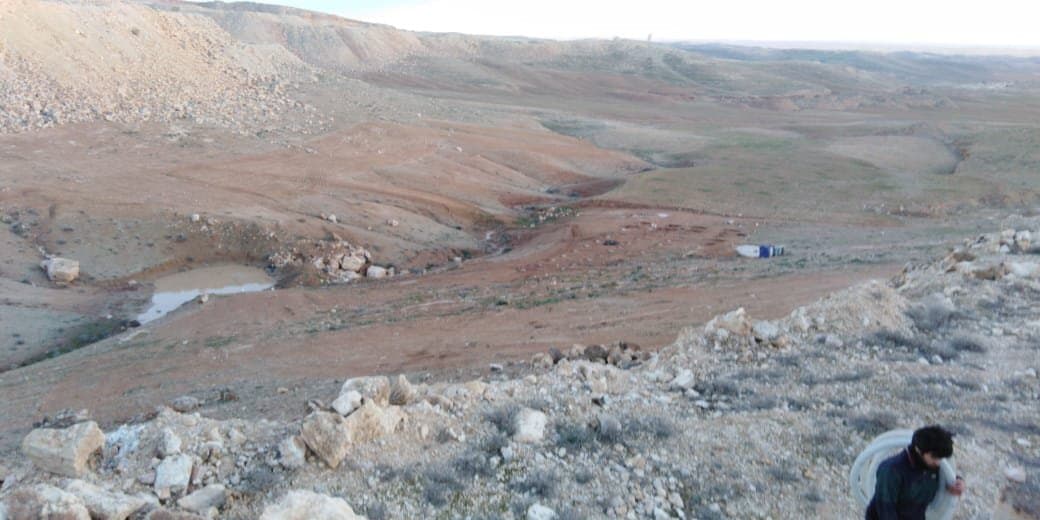
Al Mafraq, located in northern Jordan, is a city that offers a genuine glimpse into traditional Jordanian life away from the major tourist circuits. As a key administrative center and home to a large population with Bedouin roots, it presents a unique cultural landscape shaped by its desert environment and strategic location near the Syrian border. For couples interested in culture and food, Al Mafraq provides opportunities to experience authentic local cuisine, learn about Bedouin heritage, and explore modest but meaningful historical sites. The city's atmosphere is more functional than flashy, with its charm lying in everyday interactions and regional specialties.
Get Real Local Advice
Ask someone who actually lives in Al Mafraq
1
Cultural Introduction and Local Flavors
Day 1 of your journey
This small museum showcases the history and culture of the Al Mafraq region, with a focus on Bedouin traditions. You'll see displays of traditional clothing, jewelry, tools, and household items that illustrate daily life in the desert. The museum provides context about the area's development from a railway station to a modern city. A visit typically takes about an hour, and it's best to go in the morning when it's less crowded. The exhibits offer a good foundation for understanding the local culture you'll encounter throughout your stay.
Al Mafraq Heritage Museum
Why Visit
The Al Mafraq Heritage Museum offers the most concentrated cultural education available in the city, specifically focusing on the Bedouin heritage that defines much of the region's identity. For a couple interested in culture, this provides essential background that will enrich your understanding of local customs, making subsequent experiences more meaningful. It's a quiet, air-conditioned space perfect for a relaxed morning activity together.
The museum can be modest in scale, so pair it with other morning activities. Ask the caretaker about any special artifacts or stories—they often share personal insights. Address: Near the city center, adjacent to the municipality building.
2
Historical Exploration and Regional Cuisine
Day 2 of your journey
3
Local Interactions and Sweet Traditions
Day 3 of your journey
4
Relaxed Farewell and Culinary Souvenirs
Day 4 of your journey
Before You Go
Essential Travel Tips
Currency is the Jordanian Dinar (JOD). Credit cards are accepted in some restaurants, but carry cash for smaller shops and markets.
Arabic is the main language. Basic English is understood in hotels and some restaurants, but learning a few Arabic phrases (like 'shukran' for thank you) is appreciated.
Dress modestly, especially when visiting religious sites or local markets. For women, covering shoulders and knees is respectful.
Al Mafraq is generally safe, but be mindful of your belongings in crowded areas like the market.
Taxis are the main transport within the city. Agree on a fare before starting your ride, as meters are not always used.
Friday and Saturday are the weekend in Jordan. Some shops may close or have reduced hours on Friday mornings for prayers.
Tap water is not recommended for drinking. Buy bottled water, which is widely available.
Jordanian hospitality is warm; accept offers of tea or coffee when visiting shops or homes, as it's a cultural gesture.
When to Go
Best Time to Visit
The best time to visit Al Mafraq is during the spring (March to May) or autumn (September to November) when temperatures are mild and pleasant for exploration. Summers (June to August) can be very hot, with temperatures often exceeding 35°C (95°F), making outdoor activities uncomfortable. Winters (December to February) are cool and can be rainy, with occasional cold spells. Al Mafraq does not have a pronounced tourist season, so crowds are not an issue, but weather significantly impacts comfort. Spring offers the added benefit of possible wildflowers in the surrounding desert areas.
Local Insights & Tips
Al Mafraq has a strong Bedouin cultural influence, with many residents maintaining traditions of hospitality and community. Family and social connections are highly valued, and you may notice a slower pace of life compared to larger cities. The city is conservative and religious, with Islam playing a central role in daily routines—prayer times are observed, and alcohol is not widely available. When interacting with locals, politeness and respect are important; a handshake is common, but wait for a woman to extend her hand first. Meals are often shared, and refusing an offer of food or drink can be seen as impolite. The city's economy is tied to agriculture and administration, giving it a practical, working character rather than a tourist-oriented one.