
4 DaysKazakhstanprovince
Zhambyl
Your 4-day travel guide
The best times to visit Zhambyl Province are during the spring (April to May) and autumn (September to October). During ...
Zhambyl•4D•All
Zhambyl, Kazakhstan
Duration:4 Days
Activities:12
Best for:All travelers
Silk Road Flavors and Ancient Echoes in Southern Kazakhstan
Zhambyl Province in southern Kazakhstan offers a journey through Central Asian history and living traditions. Named after the revered Kazakh poet Zhambyl Zhabayev, this region was a crucial segment of the Silk Road, with evidence of ancient settlements and trade routes. Today, it presents a mix of Soviet-era architecture, modern Kazakh life, and reminders of its nomadic past. For couples interested in culture and food, Zhambyl provides an authentic, less-traveled experience focused on historical sites, local markets, and traditional cuisine, all set against a backdrop of steppe landscapes and the foothills of the Tian Shan mountains.
Get Real Local Advice
Ask someone who actually lives in Zhambyl
1
Historical Taraz and Cultural Introduction
Day 1 of your journey
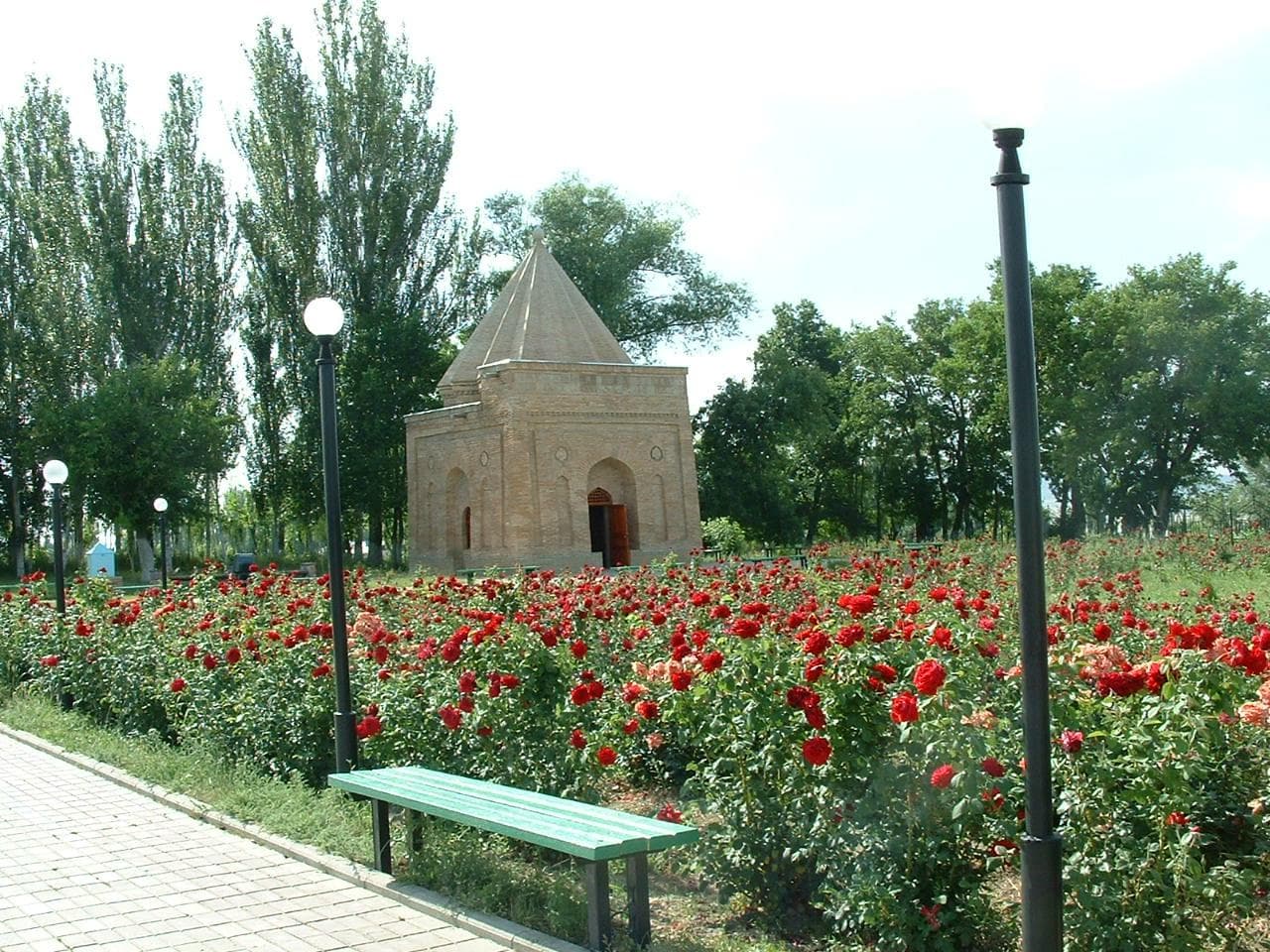
Visit these two 11th-12th century mausoleums, located about 18 km apart. The Aisha-Bibi Mausoleum is a UNESCO World Heritage site candidate, known for its intricate terracotta brickwork and romantic legend. The Babaji-Khatun Mausoleum features a unique conical dome. Both sites represent some of the oldest standing Islamic architecture in Kazakhstan. Plan about 30-45 minutes at each site, with travel time between them. The sites are open daily during daylight hours.
Aisha-Bibi Mausoleum and Babaji-Khatun Mausoleum
Why Visit
These mausoleums are among the most significant historical monuments in Kazakhstan, offering a direct connection to the Karakhanid period and Silk Road history. The detailed brickwork and architectural styles are exceptional examples of early Islamic art in Central Asia. For couples, the legend of Aisha-Bibi adds a romantic narrative to the visit.
Visit in the morning for better light for photography. The sites have basic facilities; bring water. Address: Aisha-Bibi is near the village of Aisha Bibi, about 18 km west of Taraz.
2
Market Life and Soviet-Era Architecture
Day 2 of your journey
3
Journey to Karatau and Natural History
Day 3 of your journey
4
Ancient Sites and Departure Preparation
Day 4 of your journey
Before You Go
Essential Travel Tips
Currency is the Kazakh tenge (KZT). Carry cash, especially smaller bills for markets and taxis; credit cards are accepted in larger hotels and some restaurants in Taraz.
Basic Russian or Kazakh phrases are helpful. English is not widely spoken outside major hotels; consider a translation app.
Dress modestly when visiting religious sites like mausoleums. Shoulders and knees should be covered.
Tap water is not recommended for drinking; buy bottled water, which is widely available.
Taxis do not always use meters; agree on a fare before getting in. Ride-hailing apps like Yandex.Taxi work in Taraz.
Kazakhstan is generally safe, but exercise normal precautions with valuables, especially in crowded areas like markets.
Spring (April-May) and autumn (September-October) offer the most pleasant weather for exploration.
Wi-Fi is available in most hotels and some cafes in Taraz, but connectivity can be limited in rural areas.
When to Go
Best Time to Visit
The best times to visit Zhambyl Province are during the spring (April to May) and autumn (September to October). During these months, temperatures are mild, typically ranging from 15°C to 25°C (59°F to 77°F), making outdoor exploration comfortable. Summers (June to August) can be hot, with temperatures often exceeding 30°C (86°F), especially in the steppe areas. Winters (November to March) are cold, with temperatures frequently below freezing and occasional snow, which can limit travel to some sites. Spring also brings green landscapes, while autumn offers clear skies and harvest-related food experiences.
Local Insights & Tips
Zhambyl reflects a blend of Kazakh traditions and Soviet influences. Hospitality is important; it's common to be offered tea or food. When visiting someone's home or a yurt, remove your shoes at the entrance. Meals often begin with a prayer or thanks. The region is ethnically diverse, with Kazakhs, Uzbeks, Uighurs, and Russians, which is reflected in the cuisine and cultural practices. In Taraz, life moves at a moderate pace. Dress is generally casual but neat. Tipping is not mandatory but appreciated in restaurants (5-10%). Public displays of affection are acceptable but should be modest. Respect for elders is a key cultural value.