4 DaysKorea, South
Ansan
Your 4-day travel guide
The best time to visit Ansan is during spring (April to June) and autumn (September to November) when the weather is mil...
Ansan•4D•All
Ansan, Korea, South
Duration:4 Days
Activities:12
Best for:All travelers
Cultural Flavors and Industrial Heritage in Ansan
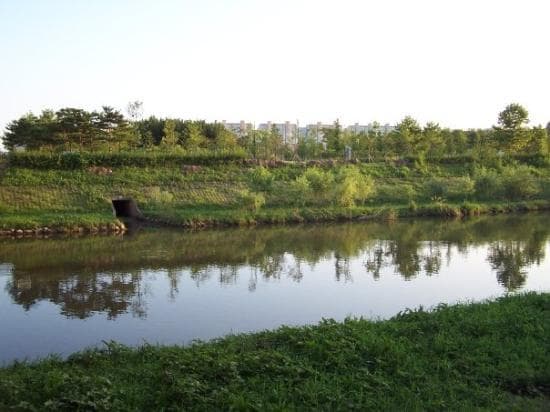
Ansan, located southwest of Seoul in Gyeonggi Province, is a dynamic city known for its industrial heritage and multicultural community. Originally developed as a planned industrial city, it has evolved into a hub with a significant foreign population, particularly from Southeast Asia and Central Asia, creating a unique cultural blend. The city offers a mix of historical sites, green spaces like Ansan Lake Park, and diverse culinary scenes reflecting its international residents. For couples interested in culture and food, Ansan provides an authentic look at modern Korean life beyond the typical tourist paths, with experiences ranging from traditional temples to vibrant street markets.
Get Real Local Advice
Ask someone who actually lives in Ansan
1
Cultural Heritage and Lake Views
Day 1 of your journey
Seongho Memorial Hall is dedicated to the scholar Yi Ik, a prominent figure of the Silhak (Practical Learning) movement in the Joseon Dynasty. The hall features exhibits on his life, teachings, and contributions to Korean philosophy and science. Visitors can explore traditional Korean architecture, including the main hall and surrounding gardens, which offer a peaceful atmosphere. It typically takes about 1-2 hours to visit, with mornings being less crowded. This site provides insight into Korea's intellectual history and is a quiet spot for couples to appreciate local heritage.
Seongho Memorial Hall
Why Visit
This memorial hall offers a deep dive into Korea's Silhak movement, highlighting the progressive ideas of Yi Ik that influenced modern Korean thought. It's a culturally significant site that showcases traditional architecture and serene gardens, making it an enriching experience for couples interested in history and philosophy away from the bustle of the city.
Check for any special exhibitions or cultural events that might be happening, as they can enhance the visit. Address: 59 Seongho-ro, Sangnok-gu, Ansan, Gyeonggi-do.
2
Multultural Exploration and Street Food
Day 2 of your journey
3
Industrial History and Local Arts
Day 3 of your journey
4
Relaxation and Farewell Flavors
Day 4 of your journey
Before You Go
Essential Travel Tips
Use the Ansan City Tour Bus for convenient access to major attractions, with routes covering cultural sites and parks.
Carry cash, especially at markets and smaller eateries, as card payments may not be accepted everywhere.
Learn basic Korean phrases like 'annyeonghaseyo' (hello) and 'gamsahamnida' (thank you) to enhance interactions with locals.
Ansan has a good public transportation system with buses and subways; consider getting a T-money card for easy fares.
Respect local customs, such as removing shoes when entering traditional restaurants or homes.
Check weather forecasts, as Ansan can have hot summers and cold winters; dress accordingly for outdoor activities.
Visit tourist information centers, like the one at Ansan Station, for maps and event details.
Be mindful of cultural sensitivities in multicultural areas like Wongok-dong, and ask permission before taking photos of people.
When to Go
Best Time to Visit
The best time to visit Ansan is during spring (April to June) and autumn (September to November) when the weather is mild and pleasant, with temperatures ranging from 10°C to 25°C. Spring offers cherry blossoms and blooming flowers in parks like Ansan Lake Park, while autumn features colorful foliage and comfortable conditions for outdoor activities. Summers (July to August) can be hot and humid, with occasional rain, making it less ideal for extensive exploration. Winters (December to February) are cold, with temperatures often dropping below freezing, but indoor cultural sites remain accessible. Tourist crowds are generally lower compared to Seoul, so any season can work with proper planning.
Local Insights & Tips
Ansan is known for its industrial background and multicultural community, with a significant population of foreign workers and immigrants, particularly from Central and Southeast Asia. This diversity is reflected in neighborhoods like Wongok-dong, where you can find international shops and restaurants. Locals are generally friendly and accustomed to visitors, but it's appreciated when tourists show respect for Korean customs, such as bowing slightly when greeting and using both hands when giving or receiving items. The city has a practical, working-class vibe, with a focus on community and family life. When dining, it's common to share dishes, and tipping is not expected in restaurants. Ansan's culture blends traditional Korean elements with global influences, making it a unique destination for experiencing modern Korea.