4 DaysKorea, South
Cheongju
Your 4-day travel guide
The most pleasant times to visit Cheongju are spring (April to early June) and autumn (September to October). Spring bri...
Cheongju•4D•All
Cheongju, Korea, South
Duration:4 Days
Activities:12
Best for:All travelers
Historic Flavors and Cultural Discoveries in Cheongju
Cheongju, the capital of North Chungcheong Province, offers a compelling blend of historical depth and contemporary Korean culture. As a city with over a thousand years of history, it's best known as the birthplace of Jikji, the world's oldest extant book printed with movable metal type. Beyond its UNESCO-recognized heritage, Cheongju presents a relaxed urban environment where traditional hanok villages coexist with modern cafes and local markets. For couples seeking cultural immersion and culinary exploration, the city provides intimate museums, scenic parks along the Musimcheon River, and authentic dining experiences showcasing Chungcheong-do's regional specialties. The pace is unhurried, allowing for meaningful discovery of Korea's printing legacy, Buddhist temples, and local craftsmanship.
Get Real Local Advice
Ask someone who actually lives in Cheongju
1
Cultural Heritage and Printing History
Day 1 of your journey
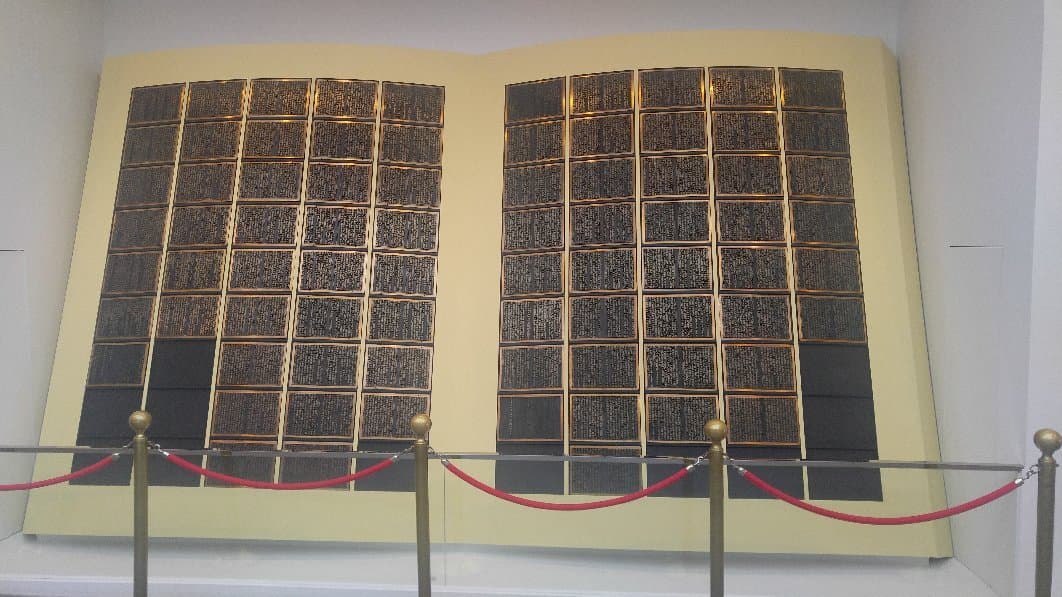
This museum is dedicated to the history of printing, with its centerpiece being Jikji, the world's oldest extant book printed with movable metal type (1377). Visitors can see a replica of Jikji and learn about its creation through detailed exhibits on traditional Korean printing techniques. The museum offers interactive displays and explanations of how this innovation preceded Gutenberg's work by decades. A typical visit takes about 1.5 to 2 hours, with morning hours being less crowded. The architecture itself reflects traditional Korean design elements, creating a serene atmosphere for learning.
Cheongju Early Printing Museum
Why Visit
This museum provides unique insight into Korea's groundbreaking contribution to world civilization through movable metal type printing. As a UNESCO Memory of the World registered item, Jikji represents a cultural achievement that couples can appreciate together in a quiet, educational setting. The museum's focus on this specific historical innovation makes it distinct from more general history museums.
Check the museum's website for special exhibitions related to printing history. Address: 143, Uncheon-dong, Heungdeok-gu, Cheongju-si. The museum shop offers quality reproductions of traditional printed materials.
2
Temple Culture and Local Markets
Day 2 of your journey
3
Art, Museums, and Riverside Relaxation
Day 3 of your journey
4
Local Crafts and Culinary Specialties
Day 4 of your journey
Before You Go
Essential Travel Tips
Cheongju has an efficient local bus system—consider purchasing a T-money card for convenient payments on public transportation
Most museums and cultural sites close on Mondays—plan your itinerary accordingly
Korean is the primary language—learning basic phrases like 'annyeonghaseyo' (hello) and 'gamsahamnida' (thank you) is appreciated
Tipping is not customary in Korea—exceptional service is already included in prices
Credit cards are widely accepted, but carry some cash for traditional markets and smaller establishments
Download Naver Map or KakaoMap apps for better navigation than Google Maps in Korea
Public transportation stops running around midnight—plan accordingly if staying out late
Remove shoes when entering traditional restaurants, temples, and some traditional houses
When to Go
Best Time to Visit
The most pleasant times to visit Cheongju are spring (April to early June) and autumn (September to October). Spring brings mild temperatures averaging 10-20°C (50-68°F) and beautiful cherry blossoms in early April. Autumn offers comfortable weather with clear skies and colorful foliage, particularly in October. Summer (July-August) can be hot and humid with monsoon rains in July, while winter (December-February) is cold with temperatures often below freezing and occasional snow. Cultural festivals often occur in spring and fall, making these seasons ideal for combining good weather with local events.
Local Insights & Tips
Cheongju maintains a balance between preserving traditional culture and embracing modern development. The city takes particular pride in its printing heritage, with Jikji being a point of local identity. Social interactions tend to be polite and reserved initially, with formality decreasing as relationships develop. When dining, it's customary to wait for the eldest or most senior person to start eating first. Chungcheong-do regional cuisine emphasizes natural flavors with less spiciness than some other Korean regions, often featuring wild vegetables, mushrooms, and freshwater fish. The pace of life is generally slower than in Seoul, with residents valuing community connections and traditional customs. Public behavior is orderly, with queuing strictly observed and public spaces kept clean.