
4 DaysKorea, South
Kimhae
Your 4-day travel guide
The ideal times to visit Kimhae are spring (April to June) and autumn (September to November). Spring offers mild temper...
Kimhae•4D•All
Kimhae, Korea, South
Duration:4 Days
Activities:12
Best for:All travelers
Ancient Kingdoms and Kimchi Trails
Kimhae, a city in South Gyeongsang Province, offers a compelling blend of ancient history and authentic Korean culture. As the former capital of the Gaya Confederacy, it's rich with archaeological sites and museums that tell stories of Korea's early kingdoms. Beyond its historical significance, Kimhae provides a genuine local experience away from major tourist crowds, with traditional markets, family-run restaurants, and peaceful temples. For couples interested in culture and food, this city presents an opportunity to explore Korea's roots while enjoying regional specialties in a relaxed setting. The pace is gentle, perfect for immersive discovery without the rush of larger cities.
Get Real Local Advice
Ask someone who actually lives in Kimhae
1
Gaya Kingdom Heritage
Day 1 of your journey
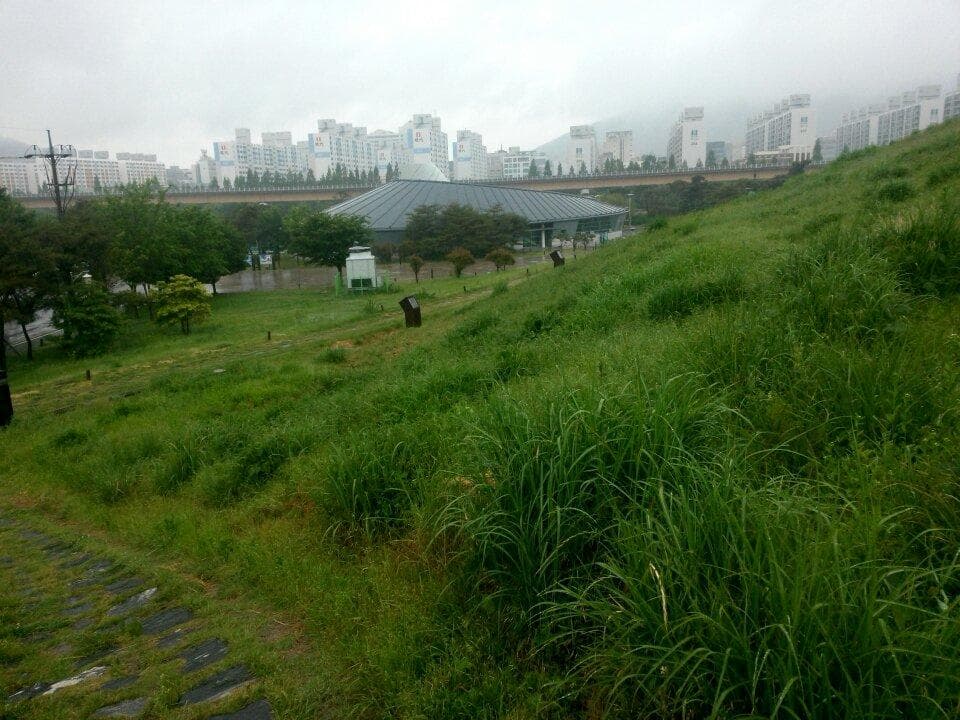
Daeseong-dong Tumuli Park contains over 200 ancient burial mounds from the Gaya period (42-532 AD), offering a direct connection to Korea's early history. Visitors walk among these grassy mounds, some reconstructed to show their original appearance. The site includes informational signs explaining the burial practices and artifacts found here. Plan for about two hours to explore the park thoroughly, with mornings being ideal to avoid afternoon heat. The atmosphere is quiet and reflective, perfect for couples to wander together.
Daeseong-dong Tumuli Park
Why Visit
This archaeological park provides essential context for understanding Kimhae's historical significance as a Gaya capital. The scale of the burial complex demonstrates the importance of this ancient kingdom. For couples interested in culture, it's a peaceful outdoor museum experience that sets the stage for everything else you'll see in Kimhae related to this period of Korean history.
Visit the small museum at the park entrance first to understand what you're seeing. Address: 16 Daeseong-dong, Gimhae-si, Gyeongsangnam-do. Wear comfortable shoes as paths are uneven in places.
2
Temples and Traditional Markets
Day 2 of your journey
3
Local Crafts and Riverside Relaxation
Day 3 of your journey
4
Cultural Synthesis and Farewell Feast
Day 4 of your journey
Before You Go
Essential Travel Tips
Use local buses for transportation - they're efficient and cover all major sites. T-money cards work here.
Most historical sites and museums close on Mondays, plan your itinerary accordingly.
Carry cash (Korean won) for markets, small restaurants, and temple donations.
Learn basic Korean phrases - English is less common here than in Seoul or Busan.
Remove shoes when entering traditional restaurants with floor seating.
Download Naver Maps or KakaoMap for navigation as Google Maps has limited functionality in Korea.
Purchase a Korea Tourist SIM card or rent a pocket WiFi for reliable internet access.
Dress modestly when visiting temples - cover shoulders and knees.
When to Go
Best Time to Visit
The ideal times to visit Kimhae are spring (April to June) and autumn (September to November). Spring offers mild temperatures (10-20°C/50-68°F) with cherry blossoms in early April and comfortable conditions for outdoor exploration. Autumn provides crisp, clear weather (15-25°C/59-77°F) with beautiful foliage, particularly in the river areas. Summer (July-August) can be hot and humid with monsoon rains in July, while winter (December-February) is cold (often below freezing) with occasional snow. The city is less crowded than major tourist destinations year-round, but spring and autumn provide the most pleasant conditions for the outdoor historical sites that are central to Kimhae's appeal.
Local Insights & Tips
Kimhae maintains strong connections to its Gaya heritage, with local pride in this history evident in museums, festivals, and daily life. The city has a slower pace than nearby Busan, with more traditional Korean atmosphere. When dining, it's customary to wait for the eldest to start eating first. At traditional restaurants, you'll typically sit on floors with cushions - if you have difficulty with this, some places offer table seating if requested in advance. Kimhae has several local festivals worth timing your visit for, particularly the Gimhae Gaya Culture Festival in October which features historical reenactments and traditional performances. The local dialect has some distinct features but standard Korean is universally understood. Tipping is not customary in restaurants or taxis.