4 DaysKorea, South
Sŏngnam
Your 4-day travel guide
The best times to visit Sŏngnam are spring (April to June) and autumn (September to November). Spring offers mild temper...
Sŏngnam•4D•All
Sŏngnam, Korea, South
Duration:4 Days
Activities:12
Best for:All travelers
Modern Heritage and Culinary Delights in Sŏngnam
Sŏngnam, a major satellite city of Seoul, offers a compelling mix of modern urban development and preserved historical sites. As part of Gyeonggi Province, it provides a more relaxed alternative to the capital while maintaining excellent connectivity. The city is known for its planned neighborhoods like Bundang, its significant role during the Joseon Dynasty, and its thriving local food scene that blends traditional Korean flavors with contemporary dining. For couples interested in culture and food, Sŏngnam presents an opportunity to explore royal tombs, innovative museums, and authentic restaurants without the intense crowds of central Seoul.
Get Real Local Advice
Ask someone who actually lives in Sŏngnam
1
Royal History and Traditional Flavors
Day 1 of your journey
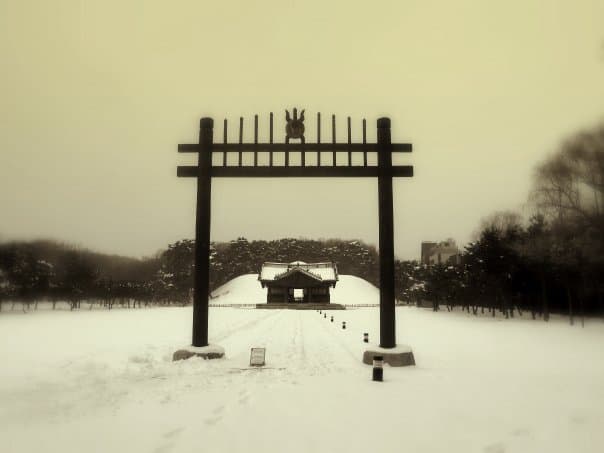
Seonjeongneung is a UNESCO World Heritage site comprising the tombs of King Seongjong, Queen Jeonghyeon, and King Jungjong from the Joseon Dynasty. Visitors walk through peaceful, forested paths to see the traditional burial mounds and stone statues. The site offers a quiet retreat with historical significance, typically requiring 1.5 to 2 hours to explore fully. It's best visited in the morning to avoid afternoon heat and crowds, with informative signs in English explaining the royal customs and architecture.
Seonjeongneung (Seolleung and Jeongneung)
Why Visit
This site provides a direct connection to Korea's Joseon Dynasty history in a serene, green setting. As a UNESCO designation, it represents well-preserved royal burial traditions and offers couples a contemplative, culturally rich experience away from urban noise. The combination of history and nature makes it a foundational cultural stop in Sŏngnam.
Wear comfortable walking shoes as the paths are unpaved in sections. The site is split into two adjacent areas (Seolleung and Jeongneung), so allow time for both. Address: 1 Seolleung-ro 100-gil, Gangnam-gu, Seoul (note: while administratively in Seoul, it's directly adjacent to Sŏngnam and a key cultural site for the area).
2
Urban Exploration and Local Markets
Day 2 of your journey
3
Cultural Heritage and Modern Dining
Day 3 of your journey
4
Leisurely Finale and Culinary Highlights
Day 4 of your journey
Before You Go
Essential Travel Tips
Use the Seoul Metropolitan Subway to navigate Sŏngnam easily—lines 8 and Suin-Bundang Line serve the city.
T-money cards are accepted on all public transport and can be purchased at convenience stores.
Korean is the primary language; learn basic phrases like 'annyeonghaseyo' (hello) and 'gamsahamnida' (thank you).
Sŏngnam is generally safe, but keep valuables secure in crowded areas like markets.
Tipping is not customary in Korea; service charges are included in prices.
Many restaurants close between 3 PM and 5 PM, so plan meals accordingly.
Carry cash for traditional markets and small eateries that may not accept cards.
Download Naver Maps or KakaoMap for accurate navigation and transit info.
When to Go
Best Time to Visit
The best times to visit Sŏngnam are spring (April to June) and autumn (September to November). Spring offers mild temperatures, cherry blossoms, and comfortable weather for outdoor activities. Autumn provides cool, crisp air and beautiful foliage, ideal for park visits and walking. Summers (July to August) can be hot and humid, with monsoon rains in July, while winters (December to February) are cold and dry, with occasional snow. Tourist crowds are generally lower than in Seoul, but weekends at popular sites can be busy.
Local Insights & Tips
Sŏngnam is a city with a mix of planned modern districts like Bundang and older areas with traditional markets. Locals value cleanliness and order, reflected in well-maintained public spaces. Respect is important in interactions; use both hands when giving or receiving items, and bow slightly when greeting. The food culture emphasizes fresh ingredients and communal dining—don't be surprised if restaurants are loud and lively. Sŏngnam residents often commute to Seoul, so the city has a busy yet residential feel. When visiting temples or historical sites, dress modestly and speak quietly. Public behavior is generally reserved; avoid loud conversations on transport.