4 DaysMacau
Macau
Your 4-day travel guide
The best time to visit Macau is from October to December, when the weather is mild and dry, with temperatures ranging fr...
Macau•4D•All
Macau, Macau
Duration:4 Days
Activities:12
Best for:All travelers
Portuguese Heritage and Cantonese Flavors
Macau offers a unique blend of Portuguese and Chinese cultures, creating a destination with historic architecture, world-class cuisine, and vibrant traditions. As a former Portuguese colony, its UNESCO-listed historic center features European-style squares, churches, and fortresses alongside Chinese temples and markets. The city is famous for its Macanese cuisine, a fusion of Portuguese and Cantonese cooking, and its numerous Michelin-starred restaurants. For couples seeking cultural immersion and culinary exploration, Macau provides romantic walks through cobblestone streets, intimate dining experiences, and fascinating historical sites that tell the story of East meets West.
Get Real Local Advice
Ask someone who actually lives in Macau
1
Historic Center and Portuguese Heritage
Day 1 of your journey
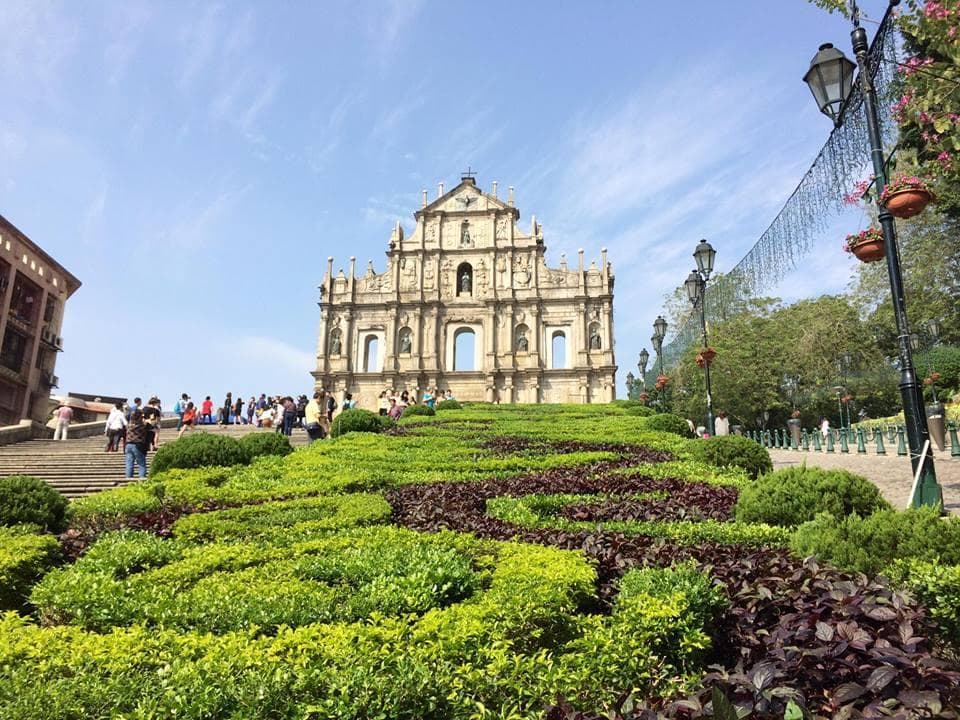
Start at the iconic Ruins of St. Paul's, the facade of what was once the largest Catholic church in Asia, built between 1602 and 1640. This UNESCO World Heritage site symbolizes Macau's religious history. Then walk to nearby Mount Fortress, built by the Jesuits in the early 17th century, which offers panoramic views of the city. The fortress houses the Macau Museum, providing historical context. Visit in the morning to avoid crowds, and allow about 2-3 hours to explore both sites thoroughly.
Ruins of St. Paul's and Mount Fortress
Why Visit
These sites represent the heart of Macau's Portuguese colonial history and are essential for understanding the city's cultural identity. The Ruins of St. Paul's is Macau's most famous landmark, while Mount Fortress offers both historical insight and excellent city views, making it perfect for couples to explore together.
Address: Ruins of St. Paul's, Santo António. Visit the Macau Museum inside Mount Fortress first to understand the historical context before exploring the ruins. The museum opens at 10:00 AM and costs about MOP 15 per person.
2
Chinese Culture and Temple Exploration
Day 2 of your journey
3
Taipa Village and Culinary Delights
Day 3 of your journey
4
Arts, Views, and Farewell Dinner
Day 4 of your journey
Before You Go
Essential Travel Tips
Macau uses the Macau Pataca (MOP), but Hong Kong dollars (HKD) are widely accepted at a 1:1 ratio. Bring small bills for markets and taxis.
Public buses are efficient and cover most attractions; fares are MOP 6 per ride. Taxis are metered but can be scarce during peak hours.
Portuguese and Chinese (Cantonese) are official languages, but English is common in tourist areas. Learn basic phrases like 'obrigado' (thank you in Portuguese).
Macau is generally safe, but watch for pickpockets in crowded areas like Senado Square. Keep valuables secure.
Dress modestly when visiting temples and churches; cover shoulders and knees as a sign of respect.
Many museums and attractions are closed on Mondays or Tuesdays, so check opening hours in advance.
Tipping is not expected in most places, but leaving small change at restaurants is appreciated for good service.
Use the free shuttle buses operated by casinos and hotels to travel between major areas, even if you're not gambling.
When to Go
Best Time to Visit
The best time to visit Macau is from October to December, when the weather is mild and dry, with temperatures ranging from 18°C to 25°C (64°F to 77°F). This period avoids the hot, humid summer (June to September) and the rainy season (May to September), making it comfortable for walking and outdoor activities. Spring (March to May) is also pleasant but can be foggy. Winter (January to February) is cooler, around 12°C to 18°C (54°F to 64°F), and less crowded. Avoid Chinese holidays like Golden Week in October and Chinese New Year (January or February) when crowds surge and prices rise.
Local Insights & Tips
Macau's culture is a mix of Portuguese and Chinese influences, seen in its architecture, food, and festivals. Locals are generally polite and reserved; greet with a nod or handshake. In temples, follow local customs like bowing slightly and not pointing at statues. Macanese people value family and tradition; you may see offerings at temples or hear Portuguese-influenced music. The city has a relaxed pace compared to Hong Kong, but casinos add a vibrant nightlife element. Try to visit during a festival like the Macau Grand Prix in November or the Feast of the Drunken Dragon in May for unique experiences. Note that gambling is a major industry, but it's separate from daily life for most residents.