4 DaysMalaysiaprovince
Kelantan
Your 4-day travel guide
The best time to visit Kelantan is during the dry season, from March to September, when rainfall is lower and days are g...
Kelantan•4D•All
Kelantan, Malaysia
Duration:4 Days
Activities:12
Best for:All travelers
Traditional Rhythms and Culinary Treasures of Kelantan
Kelantan, Malaysia's northeastern state, offers a deeply authentic cultural experience distinct from the country's more tourist-heavy regions. Known as the 'Cradle of Malay Culture,' it preserves traditional arts, crafts, and customs with remarkable integrity. For couples seeking cultural immersion and culinary discovery, Kelantan presents a journey through time-honored practices, from intricate batik making and wayang kulit shadow puppetry to a unique food scene influenced by Thai and Malay flavors. The pace here is gentle, the people are welcoming, and the experiences are genuine, making it an ideal destination for those looking to connect with Malaysia's cultural heartland away from the usual tourist trails.
Get Real Local Advice
Ask someone who actually lives in Kelantan
1
Cultural Immersion in Kota Bharu
Day 1 of your journey
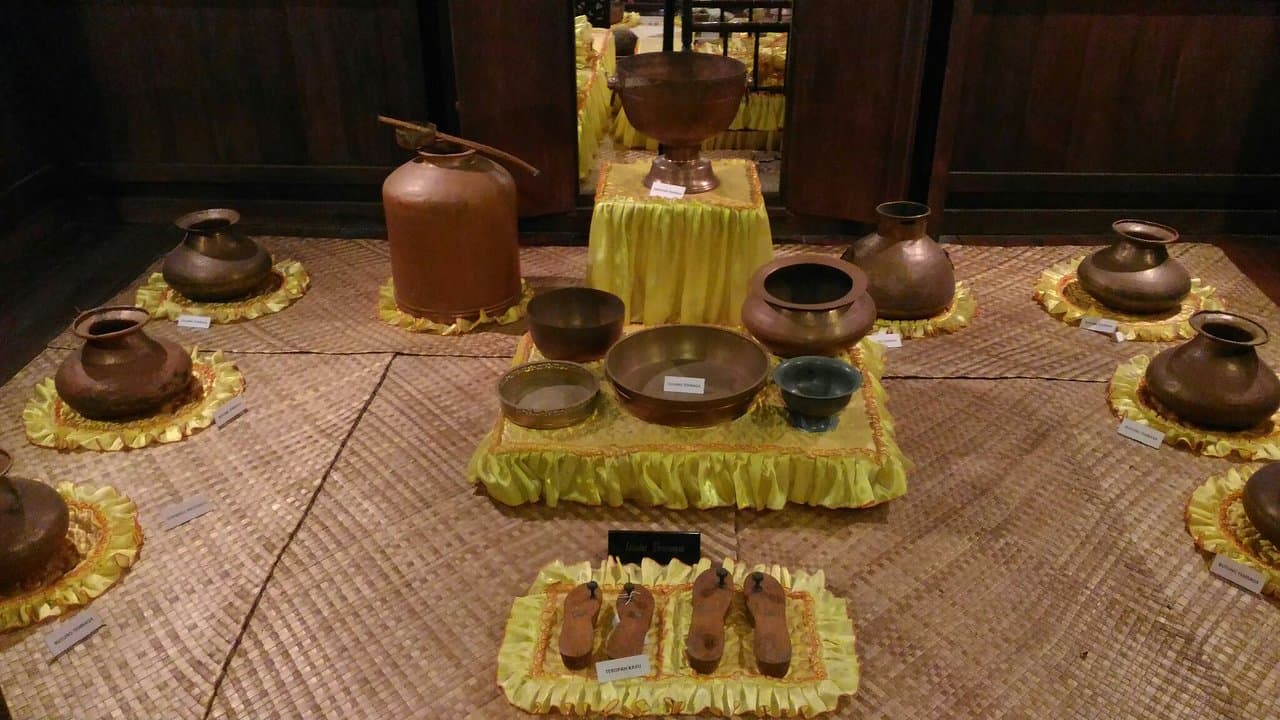
Istana Jahar is a beautifully preserved wooden palace built in 1887, now serving as the Royal Customs Museum. Couples can wander through its traditional Kelantanese architecture with intricate wood carvings and explore exhibits on royal regalia, wedding customs, and traditional ceremonies. The museum provides a quiet, atmospheric introduction to Kelantan's royal heritage. Plan for about 90 minutes to appreciate the details and photography opportunities in the serene courtyard.
Istana Jahar
Why Visit
This museum offers an intimate look at Kelantan's royal traditions and architectural heritage in a less crowded setting than larger national museums. For couples, it's a peaceful start to the trip, allowing you to appreciate craftsmanship and history together. The building itself is a masterpiece of traditional design, providing beautiful backdrops for photos and a genuine sense of place.
Visit early to avoid any potential midday heat and smaller crowds. The museum is located on Jalan Sultanah Zainab. Combine this with a visit to the nearby Islamic Museum for a fuller cultural picture.
2
Crafts, Coast, and Evening Culture
Day 2 of your journey
3
Historical Tumpat and Thai Influences
Day 3 of your journey
4
Final Flavors and Departure
Day 4 of your journey
Before You Go
Essential Travel Tips
Kelantan is a conservative state; dress modestly, especially when visiting religious sites (cover shoulders and knees).
Cash is king. While cards are accepted in some hotels and larger restaurants, have ample Malaysian Ringgit (MYR) for markets, stalls, and transport.
Basic Malay phrases are helpful. English is understood in tourist areas but less so in villages. A smile goes a long way.
Friday is the weekly holiday. Government offices, some museums, and many shops close for Friday prayers from around 12:00 to 14:30.
Tipping is not customary, but leaving small change is appreciated. In restaurants, a 10% service charge may be included in the bill.
Kelantan is generally safe, but exercise normal precautions with valuables, especially in crowded markets.
Download offline maps (like Google Maps) as mobile data can be patchy in rural areas.
Be respectful during prayer times (adhan calls). Avoid walking directly in front of people praying and keep noise levels down near mosques.
When to Go
Best Time to Visit
The best time to visit Kelantan is during the dry season, from March to September, when rainfall is lower and days are generally sunny. This period is ideal for exploring outdoor markets, beaches, and traveling between towns. The northeast monsoon season (November to February) brings heavy rains and potential flooding, especially in November and December, which can disrupt travel to coastal areas and some outdoor activities. The weather is hot and humid year-round, so light, breathable clothing is essential.
Local Insights & Tips
Kelantan is known for its strong adherence to Malay traditions and Islamic values, which shapes daily life. The pace is slower and more relaxed than in western Malaysia. You'll notice a distinct dialect of Malay and a unique cultural pride. The arts—batik, wayang kulit, kite-making—are not just tourist attractions but living traditions. The food is less spicy than in other regions but rich in coconut milk and herbs. Family and community are central, and visitors are treated with warm hospitality. When interacting, a polite and respectful demeanor is valued. Note that alcohol is not widely available due to state regulations, and public displays of affection are not common.