4 DaysMalaysia
Petaling Jaya
Your 4-day travel guide
Petaling Jaya experiences a tropical rainforest climate with consistent temperatures year-round (average 27-32°C/81-90°F...
Petaling Jaya•4D•All
Petaling Jaya, Malaysia
Duration:4 Days
Activities:12
Best for:All travelers
Flavors and Heritage in Malaysia's Modern Hub
Petaling Jaya, often called PJ, is a dynamic city in the Klang Valley that blends modern Malaysian life with rich cultural heritage. Originally developed as a satellite town to Kuala Lumpur, it has grown into a thriving urban center with its own distinct identity. For couples seeking culture and food, PJ offers a compelling mix of historic temples, contemporary art spaces, and one of Malaysia's most exciting culinary scenes. From traditional hawker centers to upscale dining, and from Buddhist temples to vibrant street art, this itinerary explores the authentic experiences that make Petaling Jaya a rewarding destination beyond the usual tourist trails.
Get Real Local Advice
Ask someone who actually lives in Petaling Jaya
1
Cultural Foundations and Local Flavors
Day 1 of your journey
This Hindu temple, established in the 1950s, is one of Petaling Jaya's oldest religious sites and serves as a spiritual center for the local Indian community. Visitors will see intricate Dravidian-style architecture, colorful statues of deities, and observe daily prayer rituals. The temple is active throughout the day, but mornings offer a peaceful atmosphere. Typical visits last about an hour, and modest dress covering shoulders and knees is required. Photography is generally permitted but be respectful during prayers.
Sri Maha Mariamman Temple, Petaling Jaya Old Town
Why Visit
This temple provides insight into Malaysia's Hindu community and represents the cultural diversity that defines Petaling Jaya. As one of the city's earliest landmarks, it connects visitors to PJ's development history while offering a serene spiritual experience. The detailed craftsmanship and active religious life make it more authentic than many tourist-oriented temples.
Visit during weekday mornings to avoid crowds. Address: Jalan Tengah, Petaling Jaya Old Town. Remove shoes before entering the inner sanctum, and consider making a small donation at the collection box near the entrance.
2
Art, Architecture and Evening Romance
Day 2 of your journey
3
Neighborhood Exploration and Street Food
Day 3 of your journey
4
Spiritual Sites and Culinary Finale
Day 4 of your journey
Before You Go
Essential Travel Tips
Use ride-hailing services like Grab for convenient transportation around Petaling Jaya - they're affordable and eliminate parking hassles
Carry both cash and cards - many local eateries and markets accept cash only, while malls and upscale restaurants take cards
Learn basic Malay phrases like 'terima kasih' (thank you) and 'berapa harga?' (how much?) - locals appreciate the effort
Dress modestly when visiting religious sites, covering shoulders and knees, and remove shoes before entering temples
Petaling Jaya is generally safe, but exercise normal urban precautions with valuables in crowded areas
Many attractions are air-conditioned, but when exploring outdoors, carry water and use sunscreen - Malaysia's tropical climate can be intense
Tipping isn't expected in Malaysia, but leaving small change or rounding up bills is appreciated at restaurants
Check opening days for specific attractions - some museums close on Mondays, while night markets operate on specific weeknights only
When to Go
Best Time to Visit
Petaling Jaya experiences a tropical rainforest climate with consistent temperatures year-round (average 27-32°C/81-90°F). The driest months are typically June through August, with less rainfall and more sunshine ideal for outdoor exploration. December through February also sees relatively lower rainfall. The wettest months are usually April, October, and November, with heavier afternoon showers that might affect outdoor activities. Major Malaysian holidays like Hari Raya (Eid), Chinese New Year, and Deepavali can make certain areas busier but also offer cultural experiences. For comfortable exploration of both indoor and outdoor attractions, the drier months provide the most predictable conditions.
Local Insights & Tips
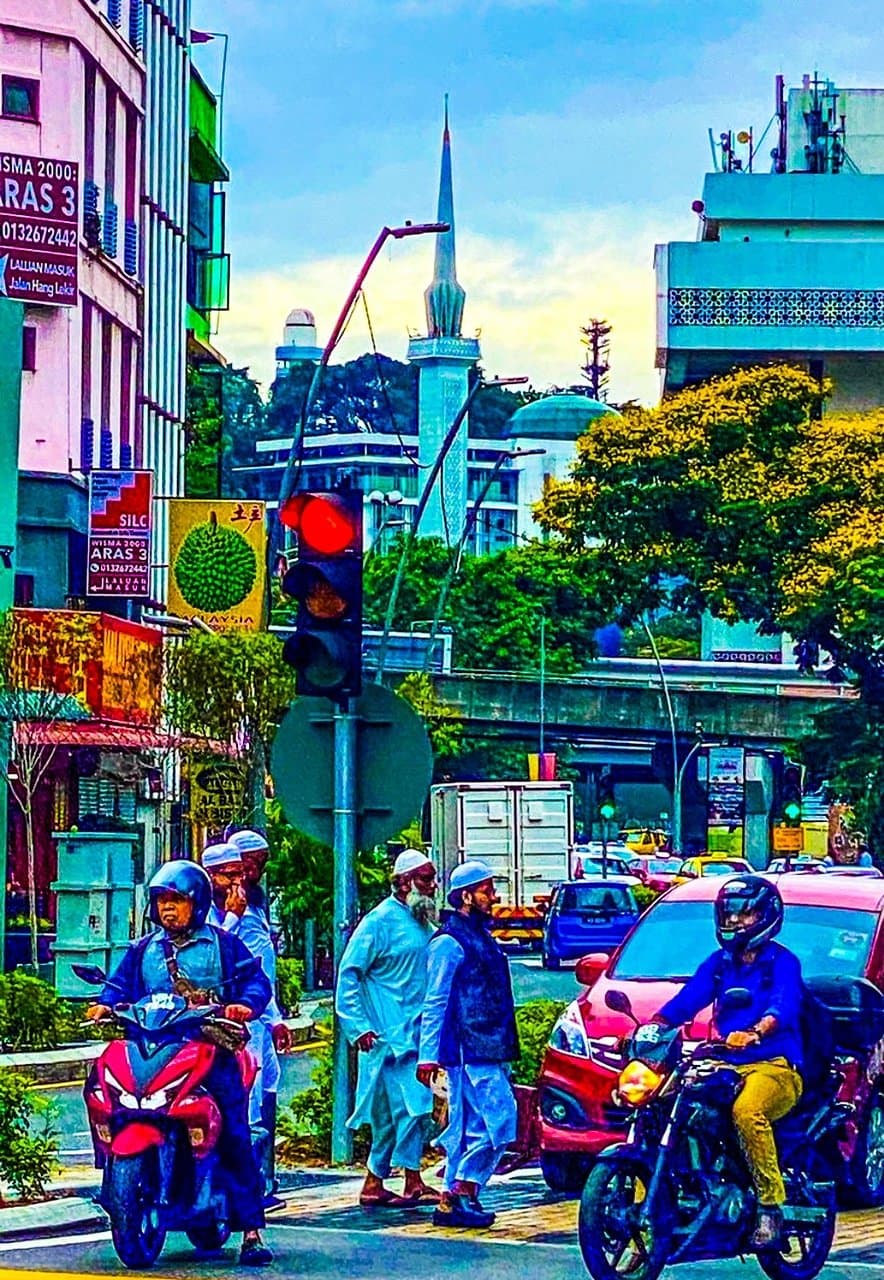
Petaling Jaya reflects Malaysia's multicultural society, with Malay, Chinese, and Indian communities each contributing to the city's character. This diversity is most evident in food, religious practices, and festivals. When visiting temples, observe local customs: remove shoes, dress modestly, and avoid pointing feet toward religious icons. At food establishments, don't be surprised by shared tables during busy times - it's common practice. The city has a more residential, local feel compared to tourist-centric Kuala Lumpur, so embrace opportunities to observe daily life. Weekday mornings are generally less crowded at attractions than weekends. While English is widely understood in commercial areas, learning a few Malay phrases enhances interactions with market vendors and older residents.