
4 DaysMalaysia
Shah Alam
Your 4-day travel guide
The best time to visit Shah Alam is during the drier months from May to July and December to February. These periods typ...
Shah Alam•4D•All
Shah Alam, Malaysia
Duration:4 Days
Activities:12
Best for:All travelers
Blue Domes and Culinary Delights
Shah Alam, the capital of Selangor, offers a distinct Malaysian experience that blends modern development with deep cultural roots. Known for its iconic Sultan Salahuddin Abdul Aziz Shah Mosque with its striking blue dome, the city serves as an administrative and cultural hub. Unlike the frenetic pace of Kuala Lumpur, Shah Alam provides a more relaxed atmosphere with well-planned parks, reputable museums, and a food scene that showcases authentic Malay and local specialties. For couples interested in culture and food, it presents an opportunity to explore Islamic architecture, learn about state history, and savor dishes in local settings away from the main tourist trails.
Get Real Local Advice
Ask someone who actually lives in Shah Alam
1
Architectural Wonders and Local Flavors
Day 1 of your journey
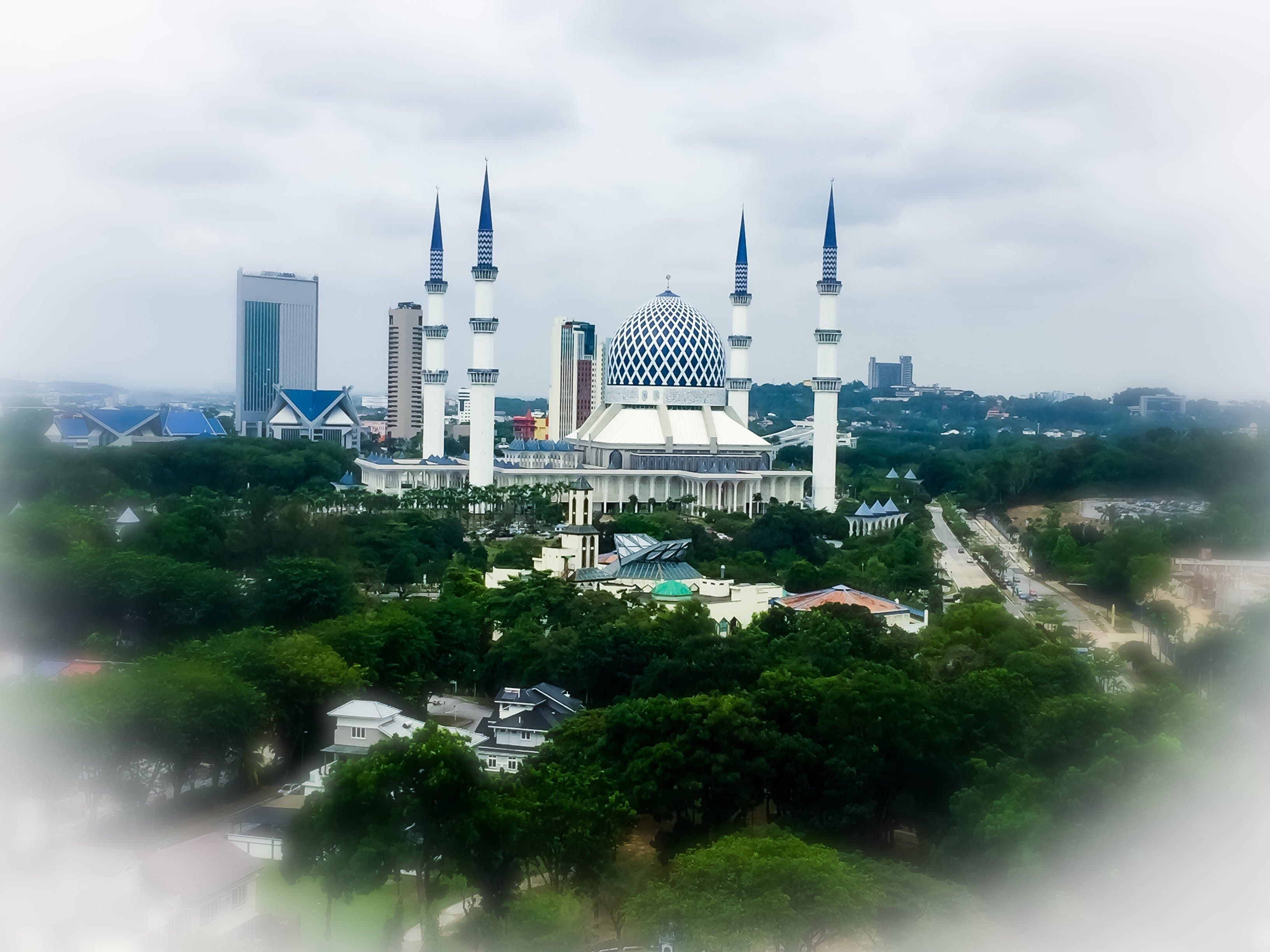
This is one of Malaysia's largest mosques and a major landmark of Shah Alam, completed in 1988. Visitors can admire its massive blue aluminum dome and minarets, and tour the interior prayer hall, which features intricate Islamic calligraphy and a grand chandelier. Non-Muslim visitors are welcome outside prayer times and are provided with robes if needed. A visit typically takes about 1.5 hours, and mornings are ideal to avoid the midday heat and potential prayer closures.
Sultan Salahuddin Abdul Aziz Shah Mosque
Why Visit
The mosque is an architectural masterpiece and a symbol of Islamic culture in Selangor. Its scale and design are impressive, offering couples a peaceful and visually stunning experience. It provides genuine insight into local religious life and architectural achievement, making it a foundational cultural stop in Shah Alam.
Dress modestly (long pants/skirts, covered shoulders). Robes are provided at the entrance. Visit between 9 AM and 12 PM or 2 PM to 4 PM, avoiding Friday noon prayers. The interior is cool and serene.
2
Art, Gardens, and Evening Markets
Day 2 of your journey
3
Cultural Heritage and Handicrafts
Day 3 of your journey
4
Modern Sights and Farewell Feast
Day 4 of your journey
Before You Go
Essential Travel Tips
Use ride-hailing apps like Grab for convenient and affordable transportation around Shah Alam, as public buses can be infrequent.
The local currency is the Malaysian Ringgit (MYR). Credit cards are accepted in malls and larger restaurants, but carry cash for markets, food courts, and smaller stalls.
Malay is the official language. English is widely understood in tourist areas, but learning basic Malay phrases like 'terima kasih' (thank you) is appreciated.
Dress modestly, especially when visiting mosques and religious sites. Shoulders and knees should be covered; robes are often provided at mosque entrances.
Shah Alam is generally safe, but exercise normal precautions with belongings in crowded areas like markets.
Tipping is not customary in Malaysia, but leaving small change or rounding up the bill is fine in restaurants.
Many attractions close on Mondays (like museums) or for Friday prayers (mosques from about 12 PM to 2:30 PM); plan your schedule accordingly.
The weather is hot and humid year-round; stay hydrated, use sunscreen, and plan indoor activities during the midday heat.
When to Go
Best Time to Visit
The best time to visit Shah Alam is during the drier months from May to July and December to February. These periods typically have less rainfall, making outdoor activities like visiting gardens and markets more comfortable. The weather is consistently warm and humid throughout the year, with temperatures averaging 27-32°C (81-90°F). The wetter months, especially October to November, can see frequent afternoon thunderstorms, which might disrupt plans. There are no extreme tourist seasons specific to Shah Alam, so crowds are generally manageable year-round.
Local Insights & Tips
Shah Alam is a planned city with a majority Malay-Muslim population, which influences its culture and daily life. Respect for Islamic customs is important; for example, during the month of Ramadan, many restaurants may be closed during daylight hours, and eating or drinking in public should be done discreetly. The city has a relaxed pace compared to Kuala Lumpur, with a focus on community and family. Neighborhoods are often organized in numbered sections (e.g., Section 7). When dining, it's common to eat with your right hand (though utensils are provided), and it's polite to accept food or drinks when offered. The local food scene heavily features Malay and Mamak (Indian-Muslim) cuisines, with less emphasis on international options found in bigger cities.