4 DaysMexicoprovince
Baja California Sur
Your 4-day travel guide
The optimal time to visit Baja California Sur is from October through April when temperatures are mild and rainfall is m...
Baja California Sur•4D•All
Baja California Sur, Mexico
Duration:4 Days
Activities:12
Best for:All travelers
Desert Sunsets and Sea Flavors
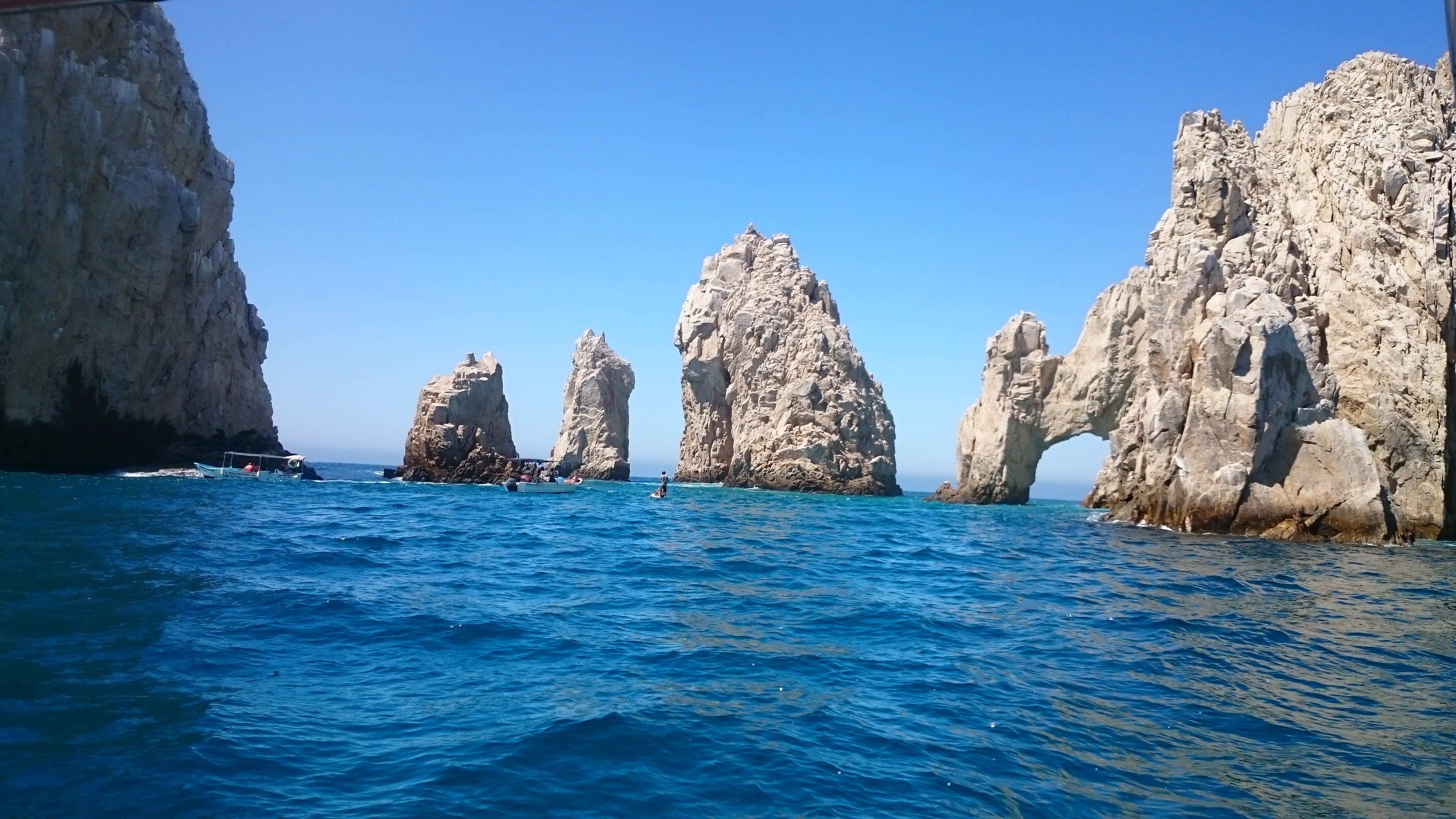
Baja California Sur is a land of dramatic contrasts where the Sonoran Desert meets the Sea of Cortez and the Pacific Ocean. This Mexican state offers a rich cultural tapestry blending indigenous heritage with Spanish colonial history, all set against a stunning natural backdrop. For couples seeking culture and cuisine, you'll discover historic missions, vibrant art scenes, and some of Mexico's most celebrated culinary traditions focused on fresh seafood and local ingredients. From the colonial charm of Loreto to the artistic energy of Todos Santos and the culinary capital of La Paz, this itinerary connects authentic experiences across diverse landscapes.
Get Real Local Advice
Ask someone who actually lives in Baja California Sur
1
Colonial History and Coastal Arrival
Day 1 of your journey
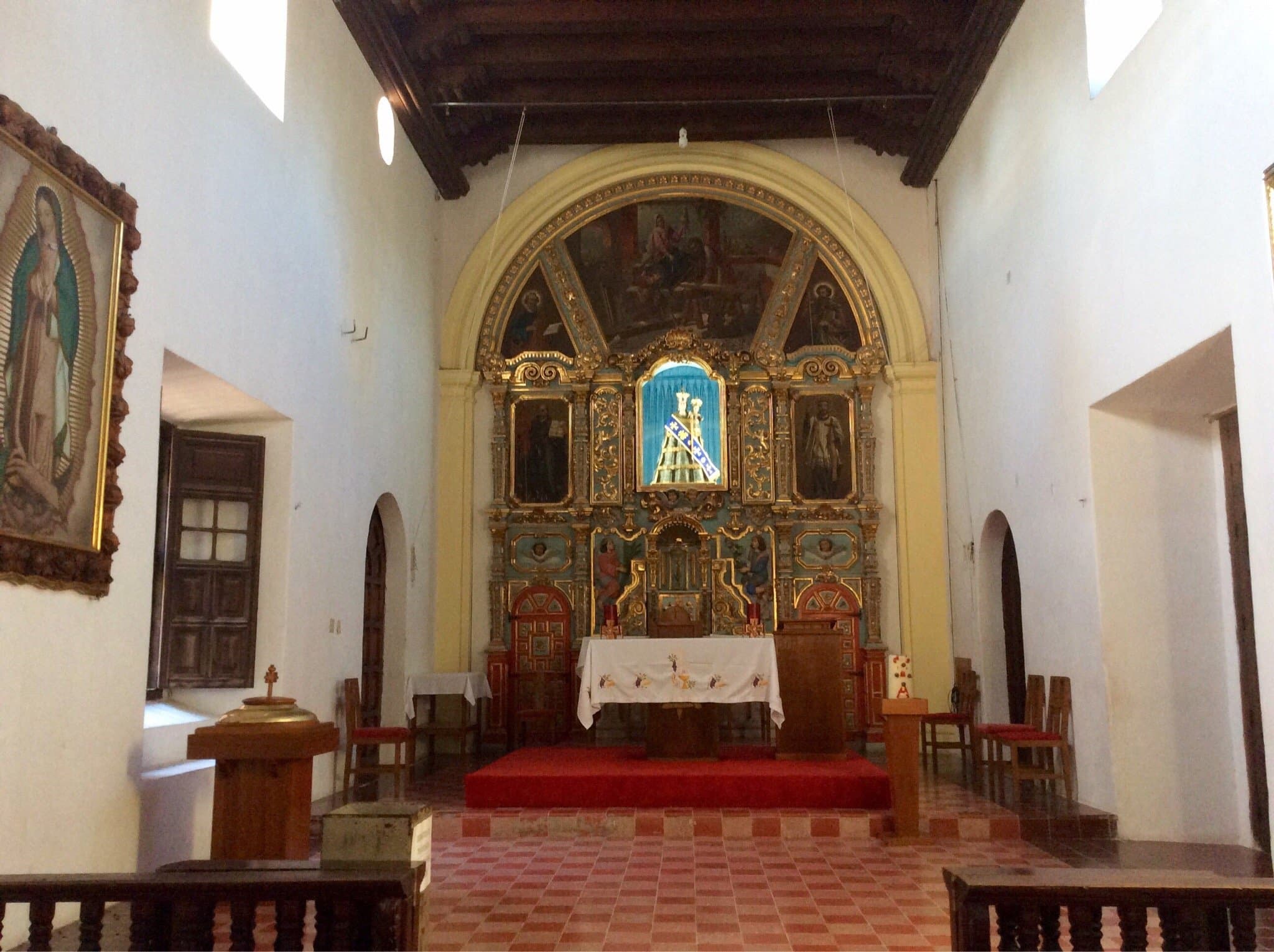
Visit the first permanent mission in the Californias, founded in 1697. This beautifully preserved church marks the starting point of Spanish colonization in the region. The adjacent museum houses religious artifacts and historical exhibits about the mission system. Allow about 90 minutes to explore both the church and museum, with mornings being less crowded. The mission remains an active parish, so be respectful during services.
Misión de Nuestra Señora de Loreto
Why Visit
This mission represents the birthplace of Spanish California and offers profound cultural insight into the region's colonial past. As the first of 23 missions established in Baja and Alta California, it provides essential historical context for understanding the peninsula's development and cultural fusion between Spanish and indigenous traditions.
Address: Salvatierra 16, Centro. Visit the small garden behind the mission for a quiet moment away from the main plaza crowds. The museum requires a small donation for entry.
2
Artistic Town and Pacific Coast
Day 2 of your journey
3
Marine Life and Urban Culture
Day 3 of your journey
4
Island Adventure and Departure
Day 4 of your journey
Before You Go
Essential Travel Tips
Rent a car for maximum flexibility exploring Baja California Sur. Major rental companies operate at airports in Loreto and La Paz.
Mexican pesos are essential. While credit cards are accepted in larger establishments, many smaller restaurants and shops are cash-only.
Spanish is the primary language. Learning basic phrases will enhance your experience, though many in tourism speak some English.
Drink bottled water and avoid ice in drinks unless at established restaurants. Street food is generally safe at busy stalls.
Baja California Sur is generally safe, but practice normal precautions: don't leave valuables in cars, be aware in crowded areas.
Tipping 10-15% is customary in restaurants. For tour guides, 50-100 pesos per person is appropriate for half-day tours.
Purchase Mexican auto insurance if driving. Your domestic policy does not cover you in Mexico.
Dress respectfully when visiting churches and missions. Shoulders and knees should be covered.
When to Go
Best Time to Visit
The optimal time to visit Baja California Sur is from October through April when temperatures are mild and rainfall is minimal. Daytime temperatures typically range from 25-30°C (77-86°F) with cooler evenings. Summer months (June-September) can be extremely hot, with temperatures often exceeding 35°C (95°F) and high humidity along the coasts. The Sea of Cortez water is warmest from July to October. Whale watching season runs from December to April, particularly for gray whales in Magdalena Bay. Tourist crowds peak around Christmas and Easter holidays.
Local Insights & Tips
Baja California Sur maintains a relaxed pace of life influenced by its desert environment and coastal location. The siesta tradition remains observed in many businesses, with closures typically from 2-4 PM. Mealtimes are later than in northern countries, with lunch around 2-3 PM and dinner after 8 PM. The region has a strong sense of local identity distinct from mainland Mexico, with pride in both indigenous heritage and the pioneering spirit of those who settled this remote peninsula. Respect for the natural environment is important, particularly in marine areas where conservation efforts protect fragile ecosystems. Family and community connections are central to social life, visible in multi-generational gatherings and local festivals celebrating patron saints.