4 DaysMorocco
Kenitra
Your 4-day travel guide
The best time to visit Kenitra is during spring (March to May) or autumn (September to November) when temperatures are m...
Kenitra•4D•All
Kenitra, Morocco
Duration:4 Days
Activities:12
Best for:All travelers
Kenitra's Cultural and Culinary Tapestry
Kenitra, a city in northwestern Morocco, offers a unique blend of colonial history, modern development, and authentic Moroccan culture. Located along the Sebou River near the Atlantic coast, Kenitra serves as an important industrial and agricultural center while maintaining its local charm. For couples seeking cultural immersion and culinary exploration, Kenitra provides opportunities to experience traditional markets, historic sites, and regional cuisine without the overwhelming crowds of larger tourist destinations. The city's manageable size allows for relaxed exploration of its key attractions over four days.
Get Real Local Advice
Ask someone who actually lives in Kenitra
1
Historical Introduction and Local Markets
Day 1 of your journey
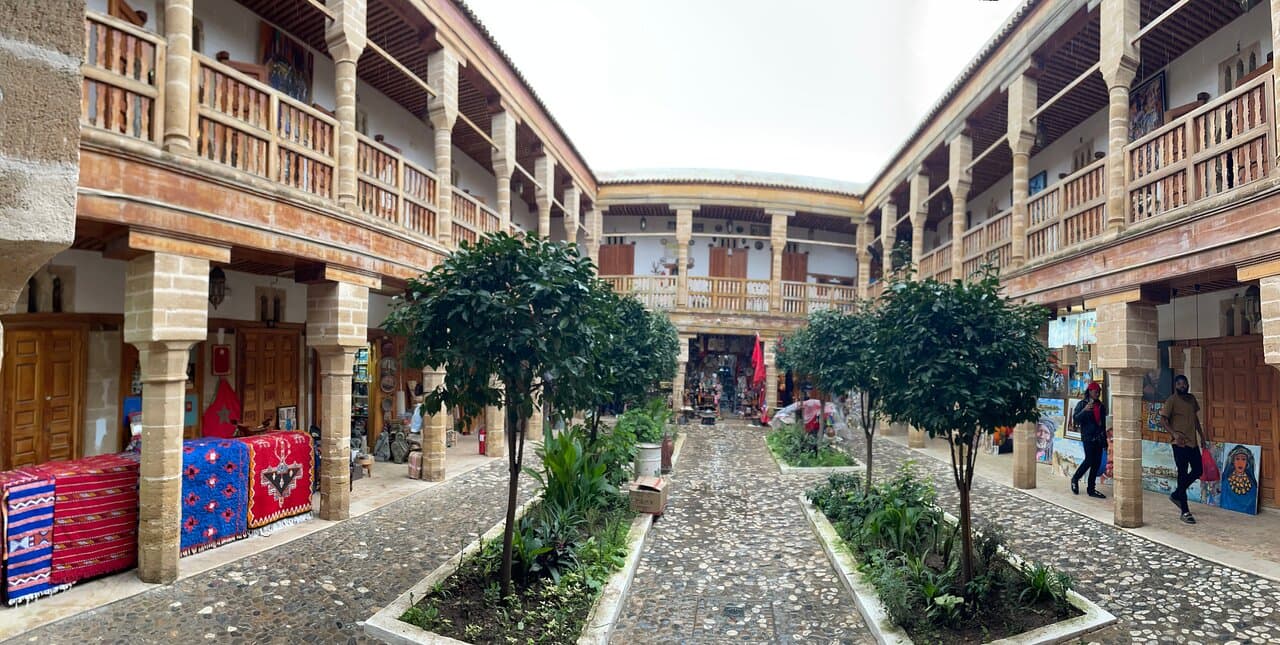
Start your exploration in Kenitra's medina, the historic heart of the city. Wander through narrow streets lined with traditional shops selling everything from spices and textiles to pottery and leather goods. This area gives you a genuine feel for daily Moroccan life away from tourist crowds. The souks are particularly lively in the morning when vendors are setting up. You'll experience authentic bargaining culture and can find unique local crafts. Allow time to simply observe the rhythm of local commerce.
Kenitra Medina
Why Visit
The medina offers an authentic cultural experience that connects you with Kenitra's traditional side. Unlike more tourist-focused medinas in other Moroccan cities, Kenitra's version feels genuinely local and less commercialized. It's an excellent introduction to Moroccan market culture where you can observe daily life, practice bargaining skills, and potentially find unique handmade items not mass-produced for tourists.
Visit between 10 AM and 1 PM when the market is most active but not overcrowded. Address: The medina is located in the city center, easily accessible from Place Administrative.
2
Cultural Heritage and Local Life
Day 2 of your journey
3
Culinary Exploration and Local Neighborhoods
Day 3 of your journey
4
Local Experiences and Farewell Dinner
Day 4 of your journey
Before You Go
Essential Travel Tips
Kenitra uses Moroccan Dirham (MAD). ATMs are widely available in the city center.
Basic French or Arabic phrases are helpful as English isn't widely spoken outside tourist establishments.
Dress modestly, especially when visiting religious sites or traditional neighborhoods.
Bargaining is expected in markets but not in restaurants or fixed-price shops.
Taxis are affordable for getting around; agree on price before longer trips.
Friday is the Muslim day of prayer; some businesses close or have reduced hours.
Tap water is generally safe but bottled water is recommended for visitors.
Kenitra is generally safe, but take normal precautions with valuables in crowded areas.
When to Go
Best Time to Visit
The best time to visit Kenitra is during spring (March to May) or autumn (September to November) when temperatures are mild and pleasant for exploration. Spring brings comfortable weather with average highs around 22-25°C (72-77°F) and blooming landscapes. Autumn offers similar conditions with less humidity. Summer (June to August) can be hot with temperatures often exceeding 30°C (86°F), though coastal breezes provide some relief. Winter (December to February) is cooler with more rain but still manageable for travel. Cultural events and festivals often occur in spring and fall.
Local Insights & Tips
Kenitra maintains a balance between modern development and traditional Moroccan culture. While it's an industrial city, daily life still follows many traditional rhythms. The medina and markets operate with genuine local commerce rather than tourist-focused activities. Friday is particularly important as the Muslim day of prayer and family gatherings, often featuring couscous as the traditional meal. Hospitality is valued, and visitors who show respect for local customs are warmly received. Kenitra's position between Rabat and other northern cities means it has cultural influences from various regions while maintaining its own identity. The city is less accustomed to tourism than destinations like Marrakech, so interactions tend to be more authentic.