4 DaysMorocco
Meknès
Your 4-day travel guide
The best times to visit Meknès are during the spring (March to May) and autumn (September to November). During these per...
Meknès•4D•All
Meknès, Morocco
Duration:4 Days
Activities:12
Best for:All travelers
Imperial Majesty and Culinary Secrets
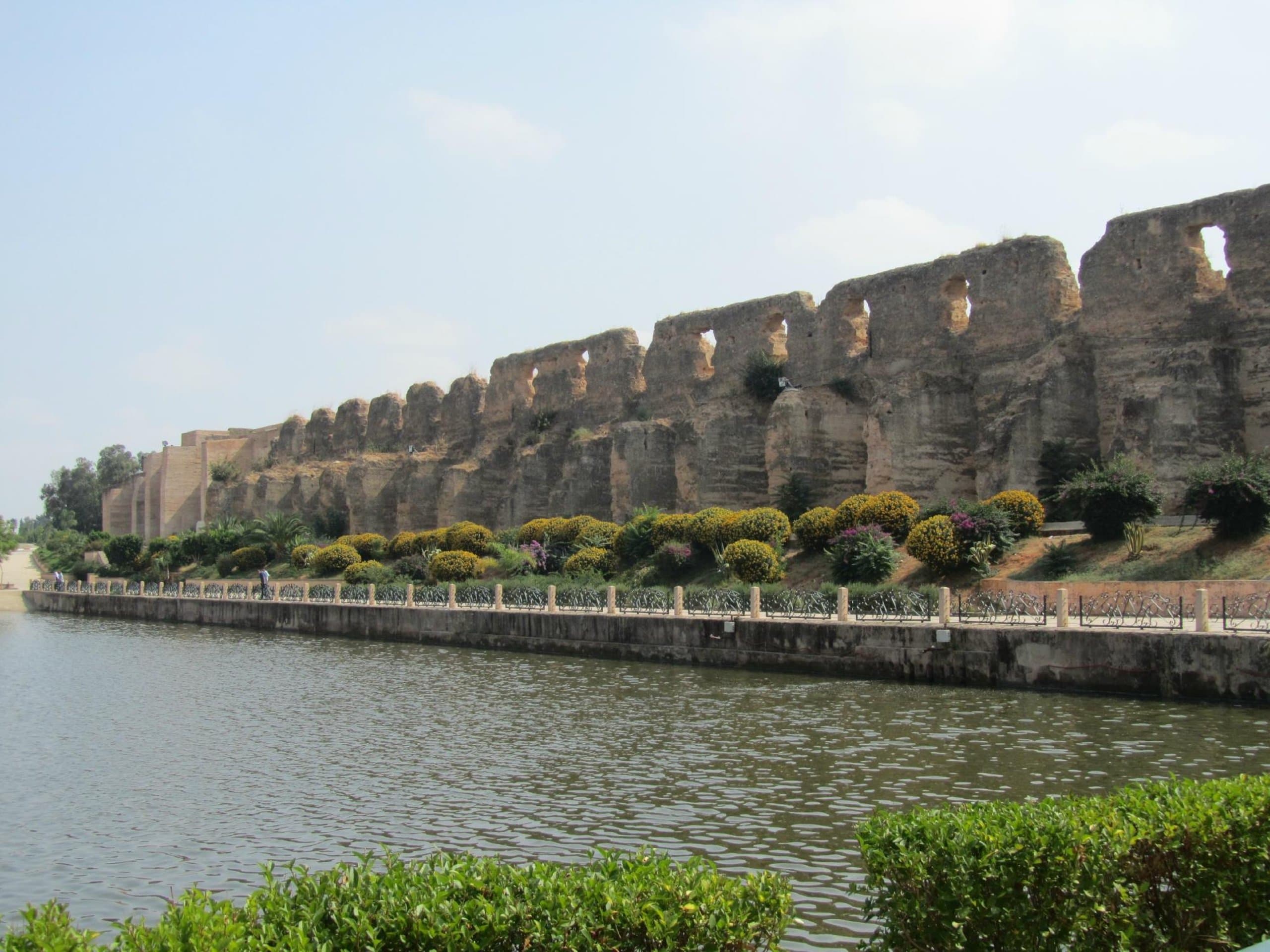
Meknès, one of Morocco's four imperial cities, offers a more relaxed and authentic experience than its larger neighbors. Founded in the 11th century, it reached its peak under Sultan Moulay Ismail in the 17th century, who built monumental walls, gates, and granaries that still define the city. Known as the 'City of a Hundred Minarets,' Meknès presents a rich blend of Berber, Arab, and Andalusian influences. Its UNESCO-listed medina is less crowded than Fez's, allowing for more intimate exploration of souks, historic sites, and local life. The city is also a gateway to the fertile Meknès-Tafilalet region, celebrated for its olives, grapes, and traditional cuisine.
Get Real Local Advice
Ask someone who actually lives in Meknès
1
Imperial Foundations and Medina Immersion
Day 1 of your journey
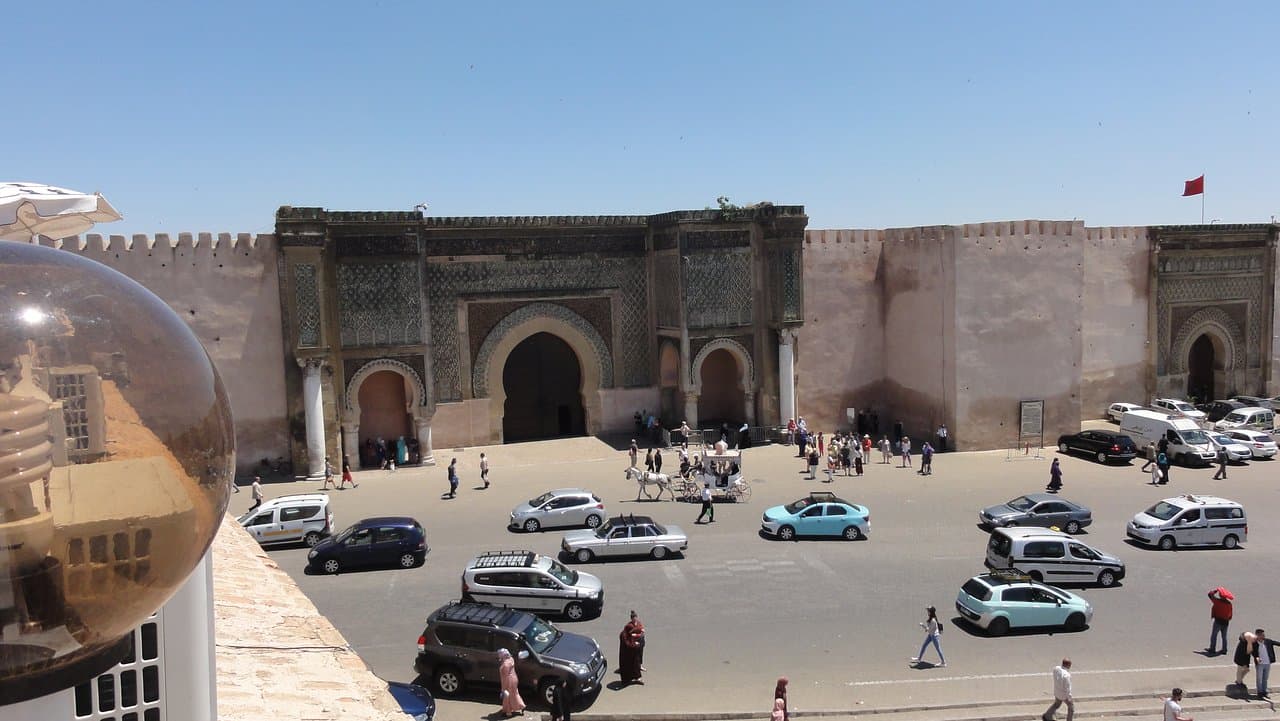
Start your journey at Bab Mansour, the grandest gate in Meknès and a masterpiece of Moroccan architecture. Completed in 1732, its intricate zellij tilework and carved cedar wood showcase Almohad design. Walk through the gate into Place el-Hedim, the main square, to appreciate its scale and the view of the medina. This is a perfect introduction to the city's imperial history. Plan about 45 minutes here, best visited in the morning light for photography.
Bab Mansour al-'Alj
Why Visit
Bab Mansour is not just an entrance; it's a symbol of Sultan Moulay Ismail's ambition and the artistic height of the Alaouite dynasty. Its preservation and grandeur make it a must-see landmark that sets the tone for Meknès' historical significance, offering a direct connection to the city's 17th-century golden age.
Address: Place el-Hedim. For the best photos, stand in the square facing the gate. Visit early to avoid crowds and the harsh midday sun. The small cafes on the square are good for a mint tea break.
2
Royal Tombs and Andalusian Gardens
Day 2 of your journey
3
Culinary Discovery and Local Neighborhoods
Day 3 of your journey
4
City Walls, Views, and Farewell Flavors
Day 4 of your journey
Before You Go
Essential Travel Tips
The local currency is the Moroccan Dirham (MAD). ATMs are widely available in the Ville Nouvelle and near major squares. Credit cards are accepted in larger hotels and restaurants, but carry cash for the medina.
Getting around: The medina is best explored on foot. For longer distances, use petit taxis (small, beige cars). They are metered; ensure the driver starts the meter. Agree on a price for longer trips in advance.
Language: Arabic and Berber (Tamazight) are official. French is widely spoken, especially in business and tourism. Learning a few Arabic phrases like 'Salam alaykum' (hello) and 'Shukran' (thank you) is appreciated.
Dress code: Meknès is conservative. Dress modestly, especially when visiting religious sites (cover shoulders and knees). This also shows respect in the medina.
Bargaining: Expected in the souks. Be polite, start at about half the asking price, and be prepared to walk away. Fixed prices are common in Ville Nouvelle shops.
Safety: Meknès is generally safe. Exercise normal precautions: be aware of your belongings in crowded areas, avoid poorly lit streets at night, and use registered guides if hiring one.
Guides: If you want a guide for the medina, hire an official, licensed guide through your hotel or the tourist office to ensure quality and avoid scams.
Water: Drink bottled water. Tap water is not recommended for visitors.
When to Go
Best Time to Visit
The best times to visit Meknès are during the spring (March to May) and autumn (September to November). During these periods, daytime temperatures are pleasant, typically ranging from 20°C to 28°C (68°F to 82°F), with cool evenings. This makes exploring the city's outdoor sites comfortable. Summer (June to August) can be very hot, with temperatures often exceeding 35°C (95°F), though it's dry. Winter (December to February) is mild but can be cool and rainy, with temperatures around 10°C to 18°C (50°F to 64°F). Major Islamic holidays, like Ramadan, can affect opening hours and the pace of life.
Local Insights & Tips
Meknès has a proud, independent character, often seen as more laid-back and authentic than Fez or Marrakech. Family and hospitality are central values. When invited for tea or a meal, it's a genuine gesture. The city is deeply religious; respect during prayer times and at religious sites is important. The medina is a living community, not just a tourist site; be mindful when taking photos of people. The Ville Nouvelle offers a different rhythm with its cafes and wider streets. Meknès is also a major agricultural center; don't miss tasting local olives, grapes, and wines from nearby vineyards, which are a point of local pride. Haggling in the souk is a social interaction, not a confrontation—approach it with a smile.