
4 DaysMorocco
Oujda-angad
Your 4-day travel guide
The best time to visit Oujda is during spring (March to May) or autumn (September to November) when temperatures are mil...
Oujda-angad•4D•All
Oujda-angad, Morocco
Duration:4 Days
Activities:12
Best for:All travelers
Moroccan Flavors and Andalusian Echoes
Oujda-Angad, a city in northeastern Morocco near the Algerian border, offers a distinct cultural blend shaped by its strategic location. As the capital of the Oriental region, it serves as a gateway between Morocco and the Maghreb, with a history reflected in its architecture and traditions. The city is known for its Andalusian-influenced music, particularly Gharnati, and its annual cherry festival. Unlike coastal tourist hubs, Oujda provides an authentic look at Moroccan life, with bustling souks, historic gates, and a university-town energy. Its compact center makes exploration straightforward, focusing on cultural landmarks and local cuisine.
Get Real Local Advice
Ask someone who actually lives in Oujda-angad
1
Cultural Heritage and Historic Gates
Day 1 of your journey
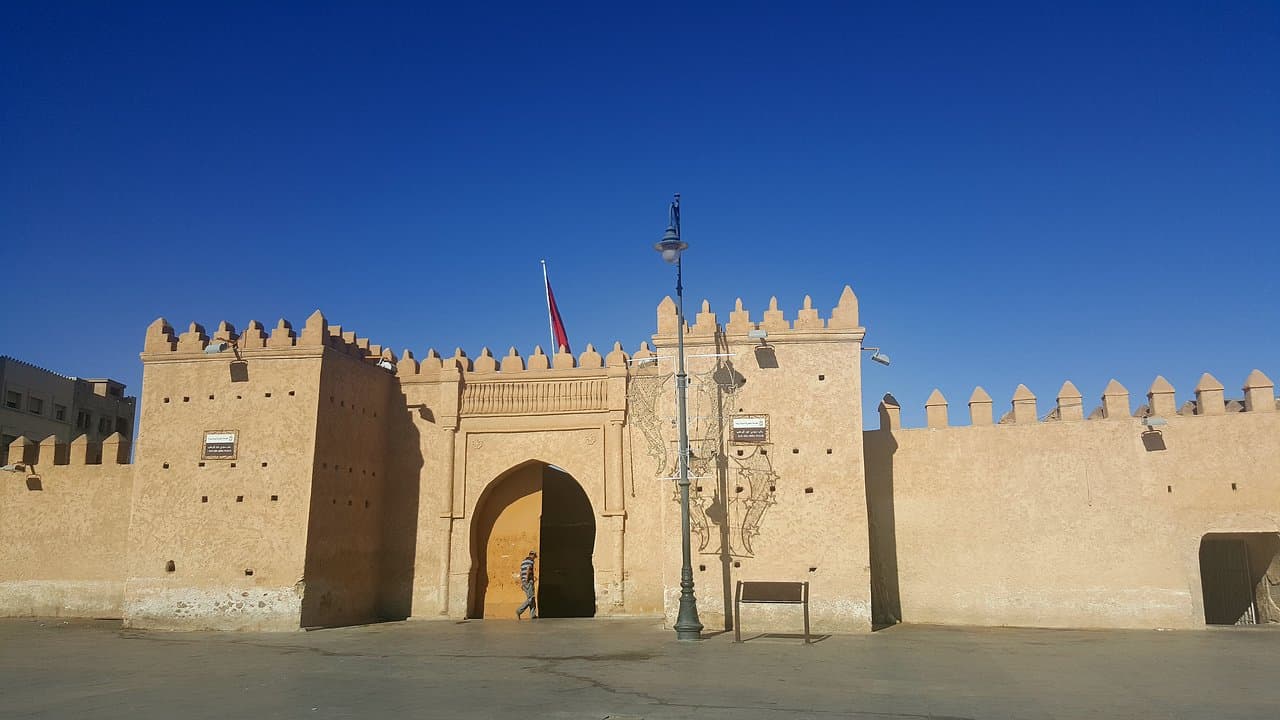
Bab Sidi Abdelwahab is one of the main historic gates of Oujda's old medina, dating back to the 13th century. This monumental gate features traditional Moroccan architecture with intricate geometric patterns and serves as an entrance to the ancient city walls. Visitors can walk through the archway, observe the detailed stonework, and imagine the city's past as a fortified settlement. It's a good starting point to understand Oujda's historical layout. The gate is accessible throughout the day, with morning light providing the best conditions for photography.
Bab Sidi Abdelwahab
Why Visit
This gate is a significant historical landmark that represents Oujda's medieval past and architectural heritage. It offers a tangible connection to the city's history as part of ancient trade routes and defensive structures. For couples interested in culture, it provides a romantic backdrop of ancient architecture and a quiet moment away from busier areas.
Visit early to avoid crowds and get better photos. The gate area connects directly to the medina, making it easy to continue exploring. Address: Near Place du 16 Août.
2
Medina Exploration and Local Markets
Day 2 of your journey
3
Gardens, Relaxation and Evening Culture
Day 3 of your journey
4
University District and Culinary Discovery
Day 4 of your journey
Before You Go
Essential Travel Tips
Currency is Moroccan dirham (MAD); exchange money at banks or authorized exchange offices, not on the street
Basic French or Arabic is helpful as English is not widely spoken outside tourist areas
Dress modestly, especially in medina areas and near religious sites; women should cover shoulders and knees
Bargain politely in markets for non-food items; start at about half the asking price
Taxis are the main transport within the city; agree on fares before entering or ensure meter use
Tap water is generally not recommended for drinking; bottled water is widely available
Friday is the Muslim day of prayer; some shops may close or have reduced hours in the afternoon
Carry small change for purchases and tips; 10% is customary in restaurants if service charge isn't included
When to Go
Best Time to Visit
The best time to visit Oujda is during spring (March to May) or autumn (September to November) when temperatures are mild and pleasant for exploration. Summer (June to August) can be very hot, with temperatures often exceeding 35°C (95°F), making daytime activities uncomfortable. Winter (December to February) is cooler, with occasional rain and temperatures that can drop at night. The city hosts the Cherry Festival in June, which attracts visitors but coincides with heat. Spring offers comfortable weather and blooming landscapes, while autumn provides warm days and cooler evenings ideal for evening strolls.
Local Insights & Tips
Oujda has a distinct cultural identity within Morocco, influenced by its proximity to Algeria and historical connections to Andalusian culture. The city is known for Gharnati music, a style with roots in Al-Andalus (Islamic Spain) that differs from other Moroccan musical traditions. Locals are generally welcoming but appreciate respectful behavior, particularly regarding dress in traditional areas. The medina is more conservative than newer districts. Friday is the main prayer day, affecting business hours. Oujda's cuisine features eastern Moroccan specialties, including dishes with more Algerian influences than coastal cities. The university brings a youthful energy, especially during academic terms. Traditional tea drinking is a social ritual, often offered as hospitality.