4 DaysNigeria
Akure
Your 4-day travel guide
The best time to visit Akure is during the dry season from November to March, when rainfall is minimal and temperatures ...
Akure•4D•All
Akure, Nigeria
Duration:4 Days
Activities:12
Best for:All travelers
Taste of Ondo Culture and Flavors
Akure, the capital of Ondo State in southwestern Nigeria, offers a rich blend of Yoruba culture, historical significance, and emerging urban energy. As the traditional seat of the Deji of Akure, the city balances royal heritage with modern development. Visitors will discover a destination where ancient palaces coexist with contemporary markets, local cuisine tells stories of tradition, and cultural sites reveal the depth of Yoruba history. This itinerary focuses on authentic experiences that showcase Akure's unique character, from its royal compounds to its vibrant food scene, providing couples with meaningful cultural immersion and culinary discovery.
Get Real Local Advice
Ask someone who actually lives in Akure
1
Royal Heritage and Cultural Foundations
Day 1 of your journey
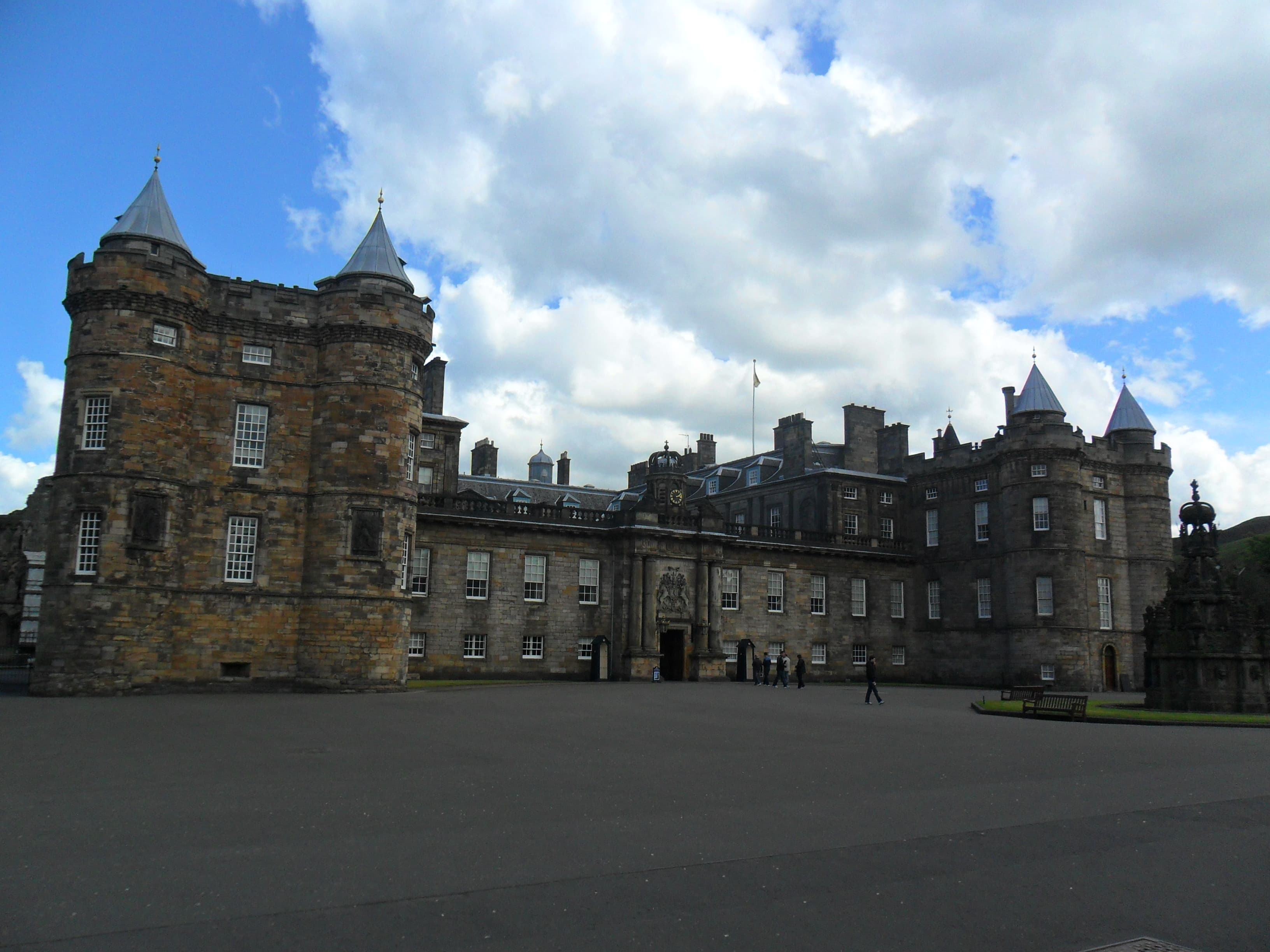
The Deji of Akure's Palace serves as the traditional residence of the paramount ruler of Akure Kingdom, a position central to Yoruba culture. Visitors can explore the palace grounds, which feature traditional architecture and historical artifacts. The palace represents centuries of royal heritage and community leadership. A guided tour typically takes about two hours and provides insight into Akure's history and customs. Morning visits are recommended to avoid afternoon heat and crowds. Photography may be restricted in certain areas, so ask permission first.
Deji of Akure's Palace
Why Visit
This palace offers direct access to Akure's royal history and traditional governance structures. As the heart of the city's cultural identity, it provides context for understanding local customs and social organization. The architecture and artifacts tell stories of Yoruba civilization that you won't find in museums. For couples interested in culture, this establishes a foundation for appreciating everything else you'll experience in Akure.
Address: Palace Road, Oja Oba area. Dress modestly out of respect for the royal institution. Consider bringing a small gift for your guide as a gesture of appreciation. The best guides are often palace staff who can share personal insights.
2
Markets, Crafts, and Evening Flavors
Day 2 of your journey
3
Nature, Relaxation, and Evening Culture
Day 3 of your journey
4
Contemporary Art and Culinary Finale
Day 4 of your journey
Before You Go
Essential Travel Tips
Transportation within Akure primarily relies on taxis and motorcycle taxis (okadas). Negotiate fares before entering vehicles, and consider using ride-hailing apps where available.
The Nigerian Naira (NGN) is the local currency. Credit cards are accepted at larger hotels and some restaurants, but carry cash for markets, street food, and transportation.
English is widely spoken in Akure, especially in business and tourist contexts. Learning basic Yoruba greetings like 'Bawo ni?' (How are you?) is appreciated.
Dress modestly when visiting religious sites, palaces, and traditional areas. Lightweight, breathable fabrics are practical for Akure's tropical climate.
Drink bottled or purified water. Be cautious with street food if you have sensitive digestion, though it's generally safe at established vendors.
Akure is relatively safe, but take normal precautions: avoid displaying valuables, be aware of your surroundings at night, and use registered transportation.
Electricity supply can be irregular. Many establishments have generators, but power banks are useful for keeping devices charged.
Bargaining is expected in markets but be respectful. Start at about 60% of the asking price and negotiate politely.
When to Go
Best Time to Visit
The best time to visit Akure is during the dry season from November to March, when rainfall is minimal and temperatures are slightly cooler. This period offers the most comfortable conditions for exploring outdoor attractions and markets. The wet season from April to October features heavy rainfall, particularly between June and September, which can disrupt travel plans and make some areas less accessible. Harmattan winds from December to February can bring dust from the Sahara, reducing visibility but lowering humidity. Cultural festivals often occur during dry months, providing additional opportunities for immersion.
Local Insights & Tips
Akure's culture is deeply rooted in Yoruba traditions, with the Deji (king) playing a central role in community life. Respect for elders and traditional authority is important in social interactions. The city has a mix of Christian and Muslim populations that generally coexist harmoniously. Greetings are valued—take time to exchange pleasantries before transactions or conversations. Meal times are social occasions, with lunch typically around 1-2 PM and dinner from 7 PM onward. The pace of life is generally relaxed compared to larger Nigerian cities. Traditional festivals like the Ogun festival and Igogo festival occur annually, celebrating cultural heritage through music, dance, and ritual. When visiting homes or traditional spaces, removing shoes is often expected. The concept of 'African time' means events may start later than scheduled—patience is appreciated.