
4 DaysNigeria
Ilorin
Your 4-day travel guide
The best time to visit Ilorin is during the dry season from November to March when rainfall is minimal and temperatures ...
Ilorin•4D•All
Ilorin, Nigeria
Duration:4 Days
Activities:12
Best for:All travelers
Royal Heritage and Culinary Traditions in Nigeria's Heartland
Ilorin, the capital of Kwara State in Nigeria, is a city where history, culture, and tradition converge. Known as the gateway between the northern and southern regions of the country, it boasts a unique blend of Yoruba, Hausa, and Fulani influences. As a historic emirate city, Ilorin offers visitors a chance to explore royal palaces, ancient markets, and significant Islamic landmarks. Its culinary scene reflects this cultural mix, with local specialties that tell stories of trade and tradition. For couples seeking an authentic Nigerian experience beyond the typical tourist trails, Ilorin provides a genuine look into the country's rich heritage and warm hospitality.
Get Real Local Advice
Ask someone who actually lives in Ilorin
1
Royal Heritage and Historical Foundations
Day 1 of your journey
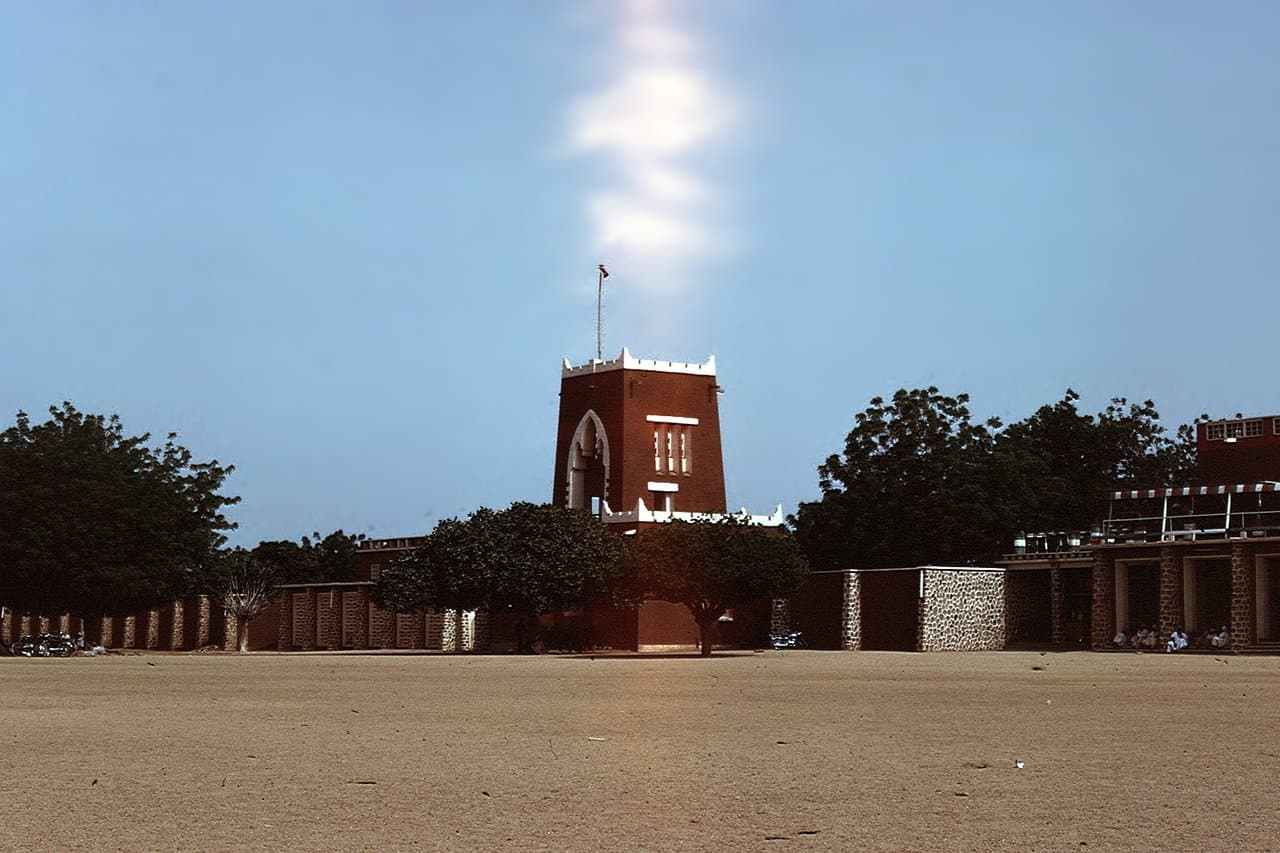
The Ilorin Emir's Palace serves as the traditional seat of the Emir of Ilorin, a position dating back to the 19th century. This sprawling complex features traditional architecture with intricate carvings and courtyards that reflect the city's royal heritage. Visitors can explore the palace grounds, learn about the history of the Ilorin Emirate, and see where traditional ceremonies take place. The palace is typically open to visitors in the morning hours, and guided tours are available to explain the significance of various sections and artifacts. Plan for about two hours to appreciate the architecture and historical context.
Ilorin Emir's Palace
Why Visit
This palace offers a direct connection to Ilorin's royal history and traditional governance system that continues to influence the city today. As one of Nigeria's most significant traditional seats of power, it provides insight into how pre-colonial structures have evolved alongside modern governance. The architecture alone tells stories of craftsmanship and cultural values that have been preserved for generations.
Address: Emir's Palace Road, Ilorin. Dress modestly out of respect for the traditional institution. It's best to visit on weekdays when there are fewer official functions, and consider hiring a local guide at the entrance for detailed explanations.
2
Cultural Institutions and Artistic Expressions
Day 2 of your journey
3
Culinary Exploration and Local Flavors
Day 3 of your journey
4
Neighborhood Exploration and Cultural Synthesis
Day 4 of your journey
Before You Go
Essential Travel Tips
Transportation within Ilorin primarily relies on taxis and motorcycle taxis (okadas). Negotiate fares before entering vehicles, as meters are rarely used.
The local currency is the Nigerian Naira (₦). Credit cards are accepted at some hotels and larger restaurants, but carry cash for markets, transportation, and smaller establishments.
English is widely spoken in business and tourist contexts, but learning basic Yoruba greetings (like 'Bawo ni?' for 'How are you?') is appreciated.
Dress modestly, especially when visiting religious sites. Women should consider carrying a headscarf for mosque visits.
Ilorin is generally safe, but take normal precautions: avoid displaying valuables, be cautious at night in unfamiliar areas, and use registered taxi services.
The electrical system uses 230V with Type D and G plugs. Power outages can occur, so keep devices charged when possible.
Tap water is not safe to drink. Stick to bottled water, which is widely available.
Bargaining is expected in markets but should be done respectfully. Start at about 50-60% of the asking price and negotiate from there.
When to Go
Best Time to Visit
The best time to visit Ilorin is during the dry season from November to March when rainfall is minimal and temperatures are more moderate. During these months, daytime temperatures typically range from 30-35°C (86-95°F), making outdoor exploration more comfortable. The harmattan season (December to February) brings dry, dusty winds from the Sahara that can reduce visibility but also lower humidity. The rainy season from April to October sees heavier rainfall, particularly between June and September, which can make some outdoor activities less predictable. Cultural festivals often occur during the dry season, offering additional opportunities to experience local traditions.
Local Insights & Tips
Ilorin's culture reflects its position as a historical crossroads between Nigeria's northern and southern regions. The city maintains strong Islamic traditions while incorporating elements from Yoruba, Hausa, and Fulani cultures. Respect for elders and traditional authorities remains important in social interactions. The Emir of Ilorin continues to play a significant cultural role, with palace events drawing community participation. Friday prayers shape the weekly rhythm, with many businesses closing or reducing hours around midday. Hospitality is valued, with visitors often offered food or drink as a welcome. When dining traditionally, eating with the right hand is customary for certain dishes. The city has a conservative social atmosphere, with public displays of affection generally kept minimal.