
4 DaysNigeria
Osogbo
Your 4-day travel guide
The best time to visit Osogbo is during the dry season, which runs from November to March. During these months, rainfall...
Osogbo•4D•All
Osogbo, Nigeria
Duration:4 Days
Activities:12
Best for:All travelers
Sacred Groves and Yoruba Flavors
Osogbo, the capital of Osun State in southwestern Nigeria, is a city where spirituality and artistry are woven into daily life. Renowned as the home of the Osun-Osogbo Sacred Grove, a UNESCO World Heritage Site, the city serves as a vital center for Yoruba culture and traditional religion. Beyond its spiritual significance, Osogbo pulses with a creative energy, famous for its unique school of art that blends modern techniques with ancient Yoruba motifs. For couples seeking a deep cultural immersion and authentic culinary journey, Osogbo offers an intimate look at traditions that have been preserved for centuries, all within a compact urban setting that feels both historic and alive.
Get Real Local Advice
Ask someone who actually lives in Osogbo
1
Cultural Heritage and Sacred Sites
Day 1 of your journey
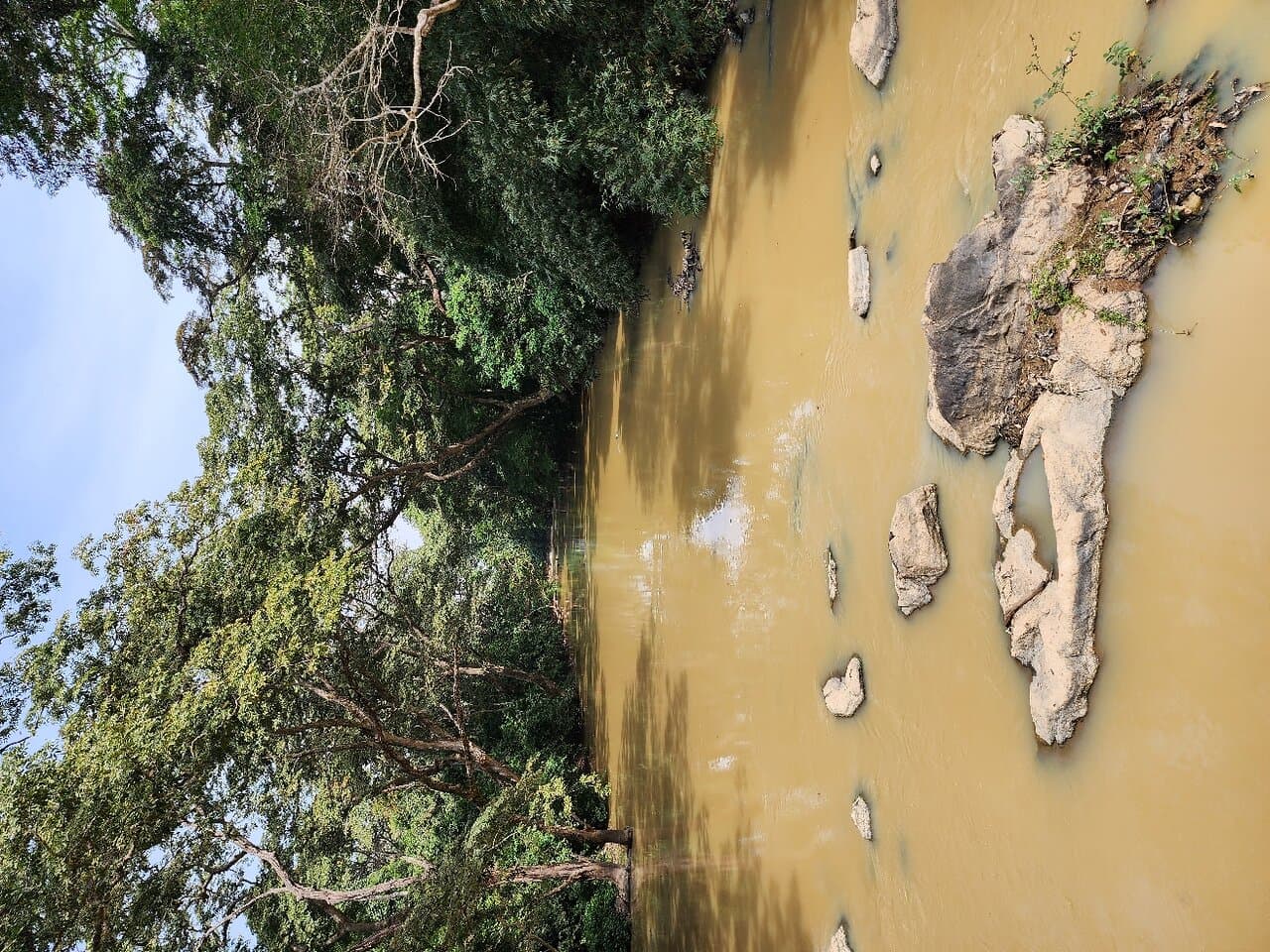
Begin your journey at this UNESCO World Heritage Site, a dense forest sanctuary dedicated to Osun, the Yoruba goddess of fertility. The grove is a living cultural landscape with shrines, sculptures, and art works placed along the river. You will walk along forest paths, see the main shrine, and witness the sacred river. A guided tour is essential to understand the spiritual significance. The visit typically takes 2-3 hours, and mornings are best to avoid the afternoon heat and experience the serene atmosphere.
Osun-Osogbo Sacred Grove
Why Visit
This is one of the last sacred groves in Yorubaland and a powerful symbol of the living Yoruba heritage. It offers a profound connection to traditional religion, art, and nature. For a couple, it provides a unique, contemplative experience away from typical tourist paths, fostering a deeper understanding of the local culture's spiritual core.
Hire a certified guide at the entrance for the full cultural context. Wear comfortable walking shoes and modest clothing out of respect for the sacred site. The grove is located along Osogbo-Ikirun Road.
2
Art, Markets, and Evening Flavors
Day 2 of your journey
3
Neighborhood Life and Culinary Discovery
Day 3 of your journey
4
Final Immersion and Departure
Day 4 of your journey
Before You Go
Essential Travel Tips
Transport: Use registered taxi services or ride-hailing apps like Bolt for getting around. Motorcycle taxis (okada) are common but ensure you agree on the fare beforehand and wear a helmet.
Currency: The Nigerian Naira (NGN) is the currency. Carry cash, especially smaller bills for markets and street food, as card payments are not widely accepted outside hotels and some restaurants.
Language: The main language is Yoruba, but English is widely spoken in business and tourist contexts. Learning a few Yoruba greetings like 'Bawo ni?' (How are you?) is appreciated.
Safety: Osogbo is generally safe, but exercise normal city precautions: avoid displaying valuables, be aware of your surroundings, especially at night, and use reputable transport.
Dress Code: Dress modestly, particularly when visiting religious sites like the Sacred Grove or the Central Mosque. Light, breathable cotton clothing is best for the climate.
Bargaining: Haggling is expected in markets and at craft villages. Do so politely and with a smile; it's part of the commercial culture.
Health: Drink only bottled or purified water. Consider malaria prophylaxis and use insect repellent, especially in the evenings.
Connectivity: Purchase a local SIM card from providers like MTN or Airtel for affordable data; Wi-Fi can be limited outside major hotels.
When to Go
Best Time to Visit
The best time to visit Osogbo is during the dry season, which runs from November to March. During these months, rainfall is minimal, humidity is lower, and temperatures are slightly cooler, making it much more comfortable for exploring outdoor sites like the Sacred Grove. The peak of the dry season (December to February) is ideal. The rainy season, from April to October, can see heavy downpours that may make some activities less enjoyable and paths muddy. The famous Osun-Osogbo Festival usually takes place in August, but this is deep in the rainy season, so be prepared for wet weather if visiting for the festival.
Local Insights & Tips
Osogbo is deeply rooted in Yoruba culture and traditional religion, with the Osun goddess worship being central. Respect for elders and traditional authorities is important. The city has a strong artistic identity, thanks to the Osogbo art movement; engaging with local artists is welcomed. Social interactions are warm and often involve greetings and small talk. When eating, using your right hand for traditional meals is common. Tipping is not mandatory but appreciated for good service in restaurants. The pace of life is generally relaxed compared to larger Nigerian cities. Be prepared for occasional power outages; many businesses have generators.