4 DaysPakistan
Bahawalpur
Your 4-day travel guide
The best time to visit Bahawalpur is from October to March, during the winter and early spring months. During this perio...
Bahawalpur•4D•All
Bahawalpur, Pakistan
Duration:4 Days
Activities:12
Best for:All travelers
Palaces, Spices, and Desert Heritage
Bahawalpur, once the capital of a princely state, is a city where royal history and desert culture converge. Located in southern Punjab, it offers a distinct experience from Pakistan's larger cities, with grand palaces, historic mosques, and a slower pace of life. For couples interested in culture and food, Bahawalpur provides a journey through the legacy of the Abbasi Nawabs, seen in magnificent architecture, and a taste of regional Punjabi and Saraiki cuisine. The city's charm lies in its well-preserved landmarks and the opportunity to explore a less-visited part of Pakistan with significant historical depth.
Get Real Local Advice
Ask someone who actually lives in Bahawalpur
1
Royal Heritage and Architecture
Day 1 of your journey
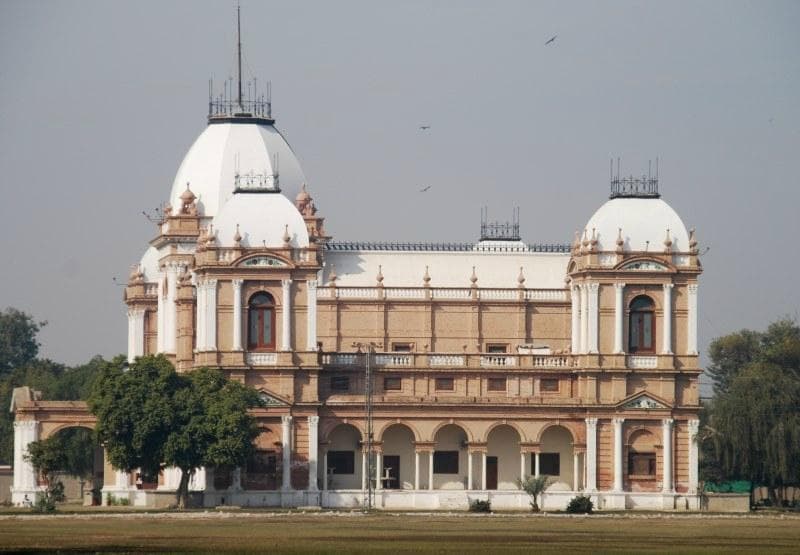
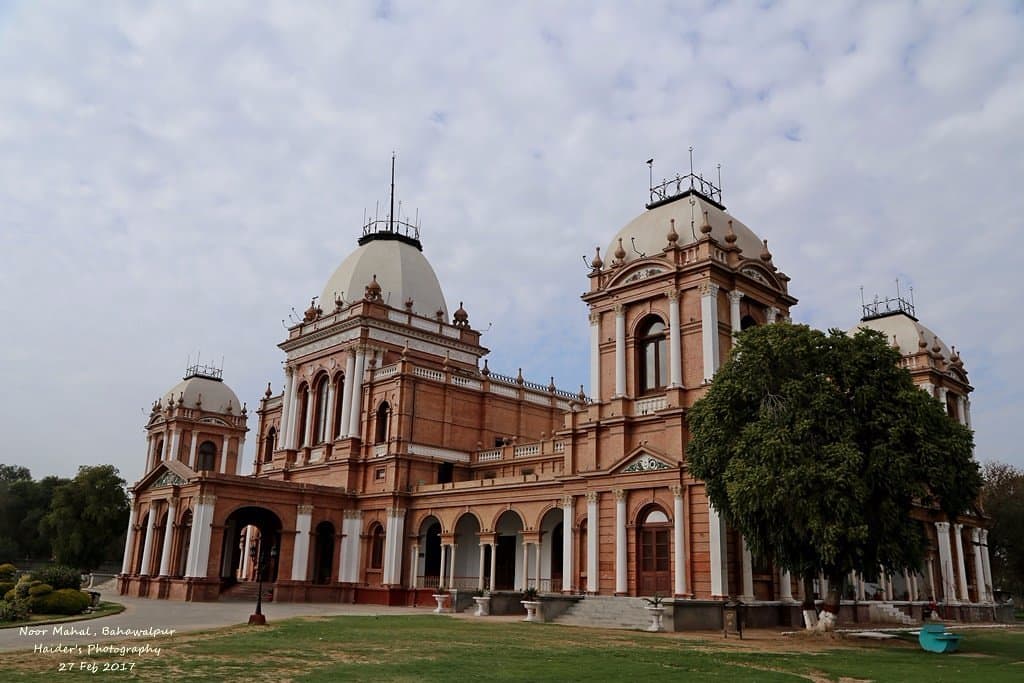
Noor Mahal is a 19th-century Italianate palace built for the Nawab of Bahawalpur. This architectural marvel blends European and Islamic styles, featuring ornate chandeliers, antique furniture, and a grand durbar hall. Visitors can tour the well-maintained rooms and halls, imagining royal life. It typically takes about 1.5 to 2 hours to explore. The palace is most impressive in the morning light, and photography is allowed inside, making it a romantic spot for couples to appreciate the detailed craftsmanship and history together.
Noor Mahal
Why Visit
Noor Mahal is a prime example of Bahawalpur's royal past and architectural fusion, offering a tangible connection to the region's history. For couples, it provides a visually stunning and historically rich setting, perfect for quiet exploration and photography, aligning perfectly with the cultural theme of the itinerary.
Visit on a weekday to avoid local crowds. The ticket counter is at the main entrance; entry fees are nominal, around 300 PKR per person. Address: Abbasia Town, Bahawalpur.
2
Islamic Architecture and Local Markets
Day 2 of your journey
3
Museums and Desert Culture
Day 3 of your journey
4
Leisure and Culinary Highlights
Day 4 of your journey
Before You Go
Essential Travel Tips
Use local auto-rickshaws for short trips; negotiate fares before riding.
Carry Pakistani Rupees (PKR) in small denominations for markets and transport.
Urdu is widely spoken; learning basic phrases like 'Salam' (hello) is appreciated.
Dress modestly, especially when visiting religious sites, to respect local customs.
Bahawalpur is generally safe, but keep valuables secure in crowded areas like markets.
Check attraction opening hours in advance, as they may vary, especially on Fridays.
Stay hydrated and use sunscreen, as the climate can be hot and dry.
Internet access is available, but consider getting a local SIM card for better connectivity.
When to Go
Best Time to Visit
The best time to visit Bahawalpur is from October to March, during the winter and early spring months. During this period, temperatures are milder, ranging from 10°C to 25°C (50°F to 77°F), making outdoor exploration of palaces, markets, and gardens more comfortable. The summer months (April to September) can be extremely hot, with temperatures often exceeding 40°C (104°F), which may limit daytime activities. Monsoon rains are minimal here, so weather is generally dry, but winter offers the most pleasant conditions for sightseeing.
Local Insights & Tips
Bahawalpur has a rich cultural heritage rooted in its history as a princely state, with strong influences from Punjabi and Saraiki traditions. Locals are generally hospitable and value politeness; greeting with 'As-salamu alaykum' (peace be upon you) is common. The city is more conservative than larger Pakistani metros, so modest dress is advised, particularly for women. Friday is the weekly holiday, and many shops and attractions may have reduced hours. Food culture centers on hearty dishes like saag, karahi, and sweets; sharing meals is a social norm. The pace of life is slower, reflecting its desert surroundings, so allow extra time for travel and activities.