
4 DaysPapua New Guineacountry
Papua New Guinea
Your 4-day travel guide
The best time to visit Papua New Guinea is during the dry season from May to October. This period offers more reliable w...
Papua New Guinea•4D•All
Papua New Guinea, Papua New Guinea
Duration:4 Days
Activities:12
Best for:All travelers
Highlands, Coastlines, and Cultural Encounters
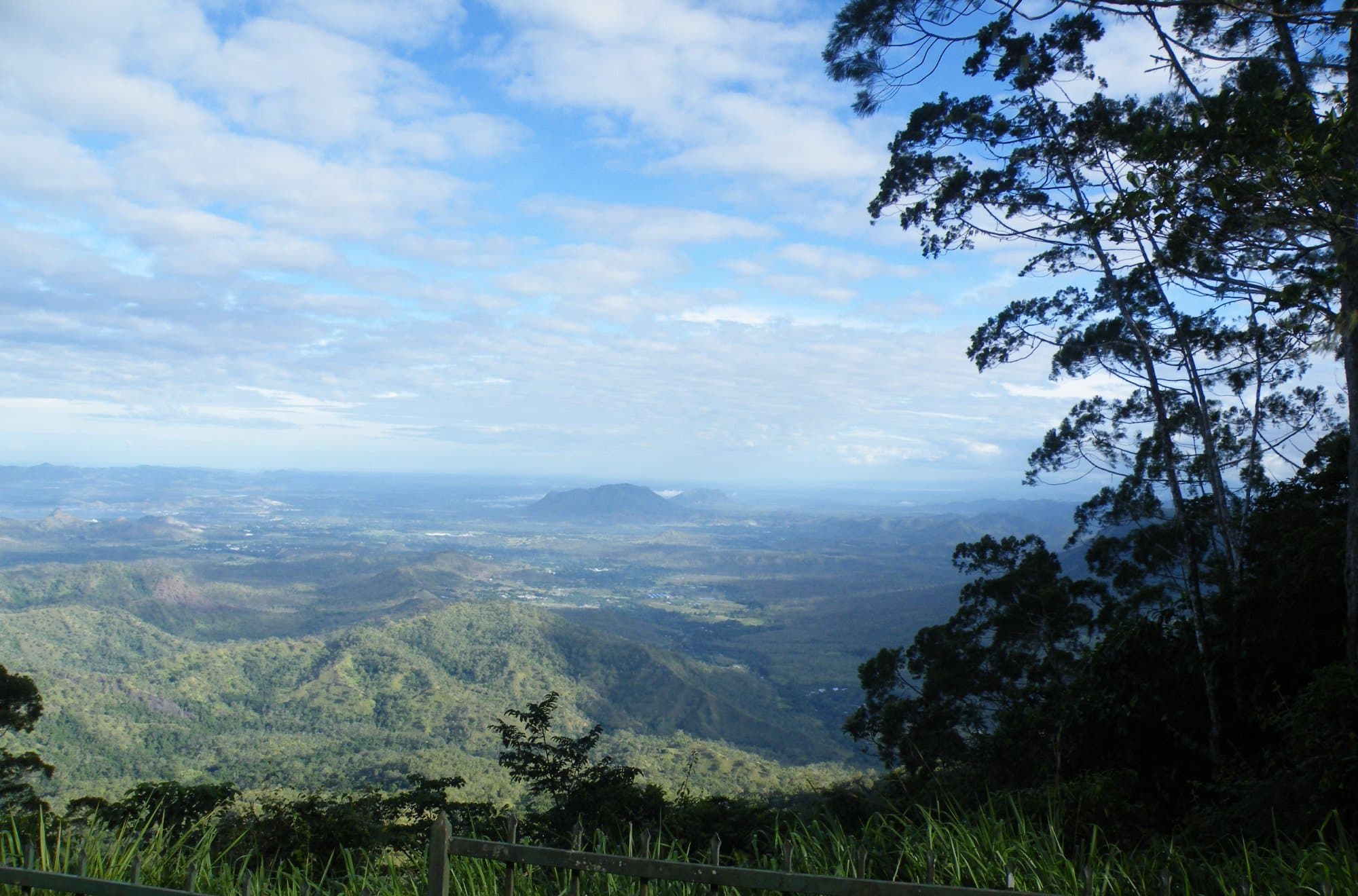
Papua New Guinea offers one of the world's most culturally rich and geographically diverse travel experiences. This itinerary explores the country's dramatic contrasts, from the misty highlands with their traditional tribal communities to the vibrant coastal cities and pristine islands. You'll encounter over 800 distinct languages, witness ancient ceremonies, and taste unique local cuisine. Travel here requires flexibility and respect for local customs, but rewards with unforgettable connections and landscapes found nowhere else on Earth. This 4-day journey is designed to showcase the country's highlights while accommodating the realities of domestic travel.
Get Real Local Advice
Ask someone who actually lives in Papua New Guinea
1
Arrival and Urban Culture
Day 1 of your journey
The National Museum houses the country's most important cultural artifacts, including traditional masks, ceremonial objects, and archaeological finds. Visitors can explore exhibits on Papua New Guinea's diverse tribal cultures, colonial history, and contemporary art. The museum provides essential context for understanding the country's complexity. Plan for about two hours to see the main galleries. It's best visited in the afternoon to avoid morning school groups.
National Museum and Art Gallery
Why Visit
This museum offers the most comprehensive introduction to Papua New Guinea's cultural heritage, essential for understanding the diverse societies you'll encounter. The collection includes rare artifacts from across the country's regions, providing visual context for the cultural experiences ahead. For a couple interested in culture, it's an ideal starting point to appreciate the depth of traditions you'll witness.
Check if special exhibitions or cultural performances are scheduled during your visit. The museum shop has authentic crafts, but prices are higher than in local markets. Address: Independence Drive, Waigani.
2
Highland Culture and Traditions
Day 2 of your journey
3
Coastal Culture and Island Life
Day 3 of your journey
4
Island Culture and Departure
Day 4 of your journey
Before You Go
Essential Travel Tips
Use domestic flights for long distances—roads are often challenging and time-consuming.
Carry cash in Papua New Guinea Kina (PGK) as credit cards are not widely accepted outside major hotels.
Learn basic Tok Pisin phrases—'tenkyu' (thank you) and 'apinun' (good afternoon) go a long way.
Always ask permission before photographing people, especially in traditional dress.
Dress modestly, particularly when visiting villages or cultural sites.
Travel with a reputable local guide for cultural experiences and safety.
Drink only bottled or purified water throughout your stay.
Be prepared for itinerary changes due to weather or transportation delays.
When to Go
Best Time to Visit
The best time to visit Papua New Guinea is during the dry season from May to October. This period offers more reliable weather with less rainfall, making travel between regions easier and outdoor activities more enjoyable. The wet season from November to April brings heavy rains that can disrupt flights and make some areas inaccessible. Major cultural shows typically occur in August (Mount Hagen Show, Goroka Show), making late dry season particularly rewarding for cultural experiences. Temperatures are consistently warm year-round in coastal areas, cooler in the highlands.
Local Insights & Tips
Papua New Guinea's culture centers around community, reciprocity, and respect for tradition. The concept of 'wantok' (one talk) refers to people who speak the same language and have mutual obligations. Always approach interactions with patience and respect—rushing is considered rude. In highland areas, compensation for photographs is often expected. Traditional gender roles are strong in many areas. Food often involves sharing from common dishes. When visiting villages, a small gift (store-bought food or school supplies) is appreciated. Remember that Papua New Guinea has over 800 languages, so English and Tok Pisin (Pidgin) are your communication tools.