4 DaysPhilippinesprovince
Aklan
Your 4-day travel guide
The best time to visit Aklan is during the dry season from November to April, when rainfall is minimal and temperatures ...
Aklan•4D•All
Aklan, Philippines
Duration:4 Days
Activities:12
Best for:All travelers
Ati-Atihan Rhythms and Boracay Sunsets
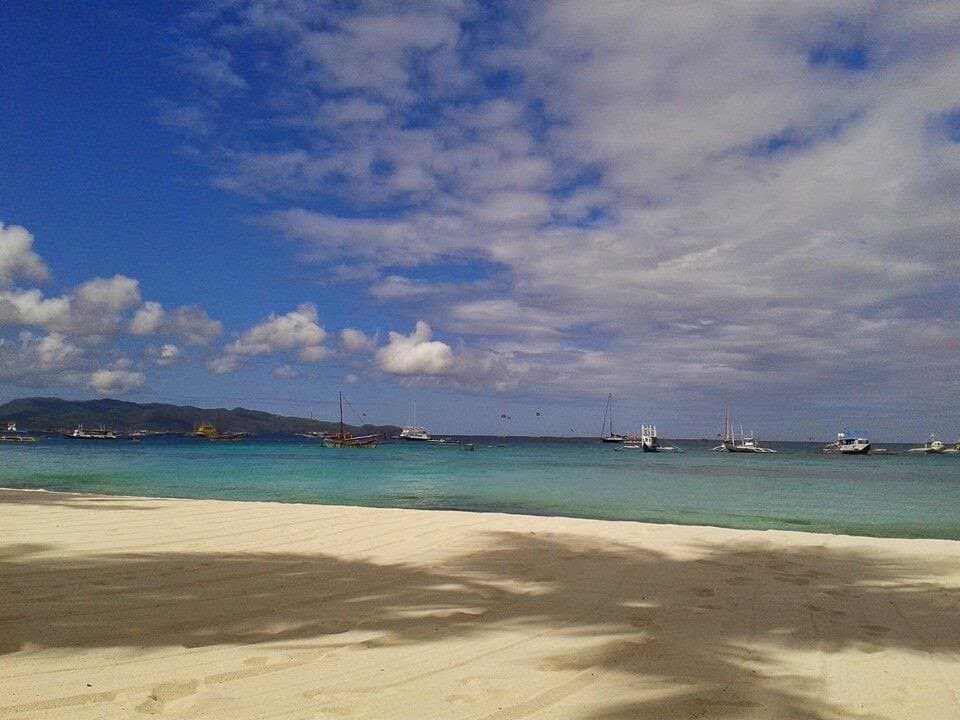
Aklan, a province in the Western Visayas region of the Philippines, offers a compelling blend of cultural heritage and natural beauty beyond its famous Boracay Island. Known as the home of the Ati-Atihan Festival, one of the country's most vibrant cultural celebrations, Aklan presents rich traditions, historical sites, and diverse culinary experiences. The province features rolling hills, rivers, and coastal areas, with Kalibo as its capital and gateway. This itinerary explores Aklan's authentic character, from traditional weaving communities to historical churches and local markets, providing a comprehensive experience of this culturally significant region.
Get Real Local Advice
Ask someone who actually lives in Aklan
1
Cultural Introduction and Historical Exploration
Day 1 of your journey
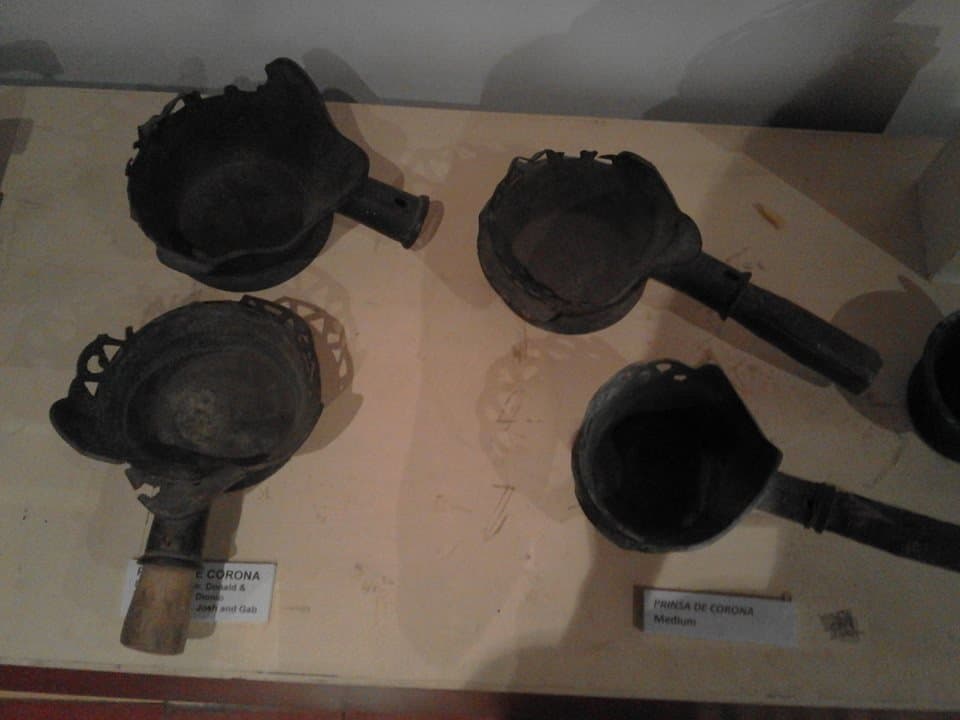
Museo it Akean is the provincial museum of Aklan, showcasing the region's cultural heritage with a special focus on the Ati-Atihan Festival. Visitors will see traditional costumes, historical photographs, indigenous artifacts, and exhibits about Akeanon culture. The museum provides context about the festival's origins and significance in Philippine culture. Plan for about 1.5 hours to appreciate the collections, and morning visits are ideal to avoid afternoon crowds. The museum is typically open Tuesday to Sunday from 8:00 AM to 5:00 PM.
Museo it Akean
Why Visit
This museum offers essential cultural context for understanding Aklan's identity, particularly the world-famous Ati-Atihan Festival. It provides historical background that enhances appreciation of local traditions and showcases indigenous artifacts you won't find elsewhere. The exhibits help visitors connect with the province's pre-colonial history and cultural evolution, making it a foundational experience for any cultural exploration of Aklan.
Address: Provincial Capitol Building, Kalibo, Aklan. Ask museum staff about festival dates if you're planning your trip around Ati-Atihan, as the exact dates vary annually. The museum is free to enter, though donations are appreciated.
2
Traditional Crafts and Riverside Culture
Day 2 of your journey
3
Historical Churches and Coastal Town
Day 3 of your journey
4
Coastal Exploration and Culinary Finale
Day 4 of your journey
Before You Go
Essential Travel Tips
The local currency is the Philippine Peso (PHP). ATMs are available in Kalibo, but carry cash when visiting smaller towns like Lezo and Ibajay.
Tagalog and English are widely understood, but learning basic Akeanon phrases like 'Mayad-ayad nga agahon' (Good morning) is appreciated.
Public transportation includes jeepneys, tricycles, and vans. For inter-town travel, hire a van or car with driver for convenience as a couple.
Aklan is generally safe, but take normal precautions with valuables, especially in crowded markets.
Dress modestly when visiting churches and religious sites, covering shoulders and knees.
The dry season (November to April) is ideal for travel, with January being festival season for Ati-Atihan.
Internet access is available in Kalibo but may be limited in smaller towns. Consider getting a local SIM card for data.
Tipping is appreciated but not mandatory. 10% is customary in restaurants if service charge isn't included.
When to Go
Best Time to Visit
The best time to visit Aklan is during the dry season from November to April, when rainfall is minimal and temperatures are comfortable. January is particularly special if you want to experience the Ati-Atihan Festival, but accommodations book early. The summer months of March to May are hotter but still good for travel. The rainy season from June to October brings more frequent showers, which could affect outdoor activities. December to February offers the most pleasant weather with cooler temperatures and lower humidity.
Local Insights & Tips
Aklan has a distinct cultural identity centered around the Ati-Atihan Festival, which celebrates the Santo Niño (Holy Child) and commemorates the peaceful meeting between the indigenous Ati people and Malay settlers. The province takes pride in its piña weaving tradition, a delicate craft using pineapple fibers that dates back centuries. Akeanon cuisine features dishes like inubarang manok (chicken with turmeric and coconut milk) that distinguish it from other Philippine regional cuisines. Community and family are central to local life, and visitors will notice strong religious devotion, particularly to the Santo Niño. When interacting with locals, polite greetings and respect for elders are valued. The pace of life is generally relaxed outside of festival periods.