
4 DaysPhilippines
Antipolo
Your 4-day travel guide
The best time to visit Antipolo is during the dry season from November to April, when rainfall is minimal and temperatur...
Antipolo•4D•All
Antipolo, Philippines
Duration:4 Days
Activities:12
Best for:All travelers
Pilgrimage, Panoramas, and Filipino Flavors
Antipolo, located in the mountains east of Metro Manila, offers a refreshing escape with its mix of religious heritage, artistic communities, and scenic views. As the pilgrimage capital of the Philippines, it's home to the National Shrine of Our Lady of Peace and Good Voyage, drawing visitors year-round. Beyond its spiritual significance, Antipolo has developed into a cultural hub with art galleries, local crafts, and restaurants serving traditional Filipino cuisine with modern twists. The city's elevated location provides cooler temperatures and panoramic vistas of Metro Manila, making it a popular weekend destination for both reflection and relaxation.
Get Real Local Advice
Ask someone who actually lives in Antipolo
1
Cultural Heritage and Spiritual Sites
Day 1 of your journey
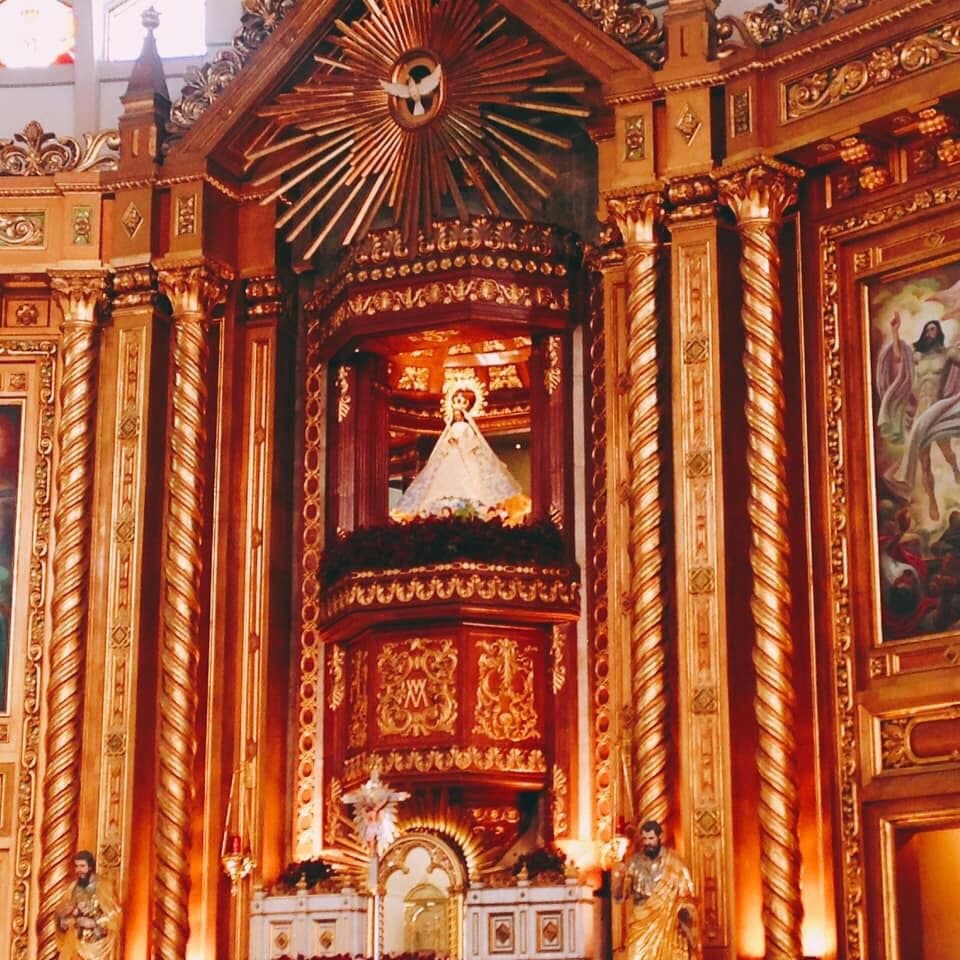
Start your trip at Antipolo's most significant landmark, the National Shrine of Our Lady of Peace and Good Voyage. This cathedral houses the revered image of Our Lady of Antipolo, brought from Mexico in 1626. Couples can explore the beautiful church architecture, attend mass if desired, and learn about the centuries-old pilgrimage tradition. The site is peaceful in the morning before crowds arrive. Typical visits last 1-2 hours, and modest dress is recommended. The cathedral grounds offer quiet spaces for reflection.
National Shrine of Our Lady of Peace and Good Voyage (Antipolo Cathedral)
Why Visit
This shrine represents the heart of Antipolo's identity as the pilgrimage capital of the Philippines. The historical and religious significance provides deep cultural insight, while the architecture and atmosphere create a meaningful experience for couples seeking both cultural understanding and quiet moments together.
Visit on a weekday morning for fewer crowds. After your visit, walk to the nearby Hinulugang Taktak National Park, just 10 minutes away. Address: P. Oliveros Street, Antipolo City.
2
Art, Crafts, and Local Flavors
Day 2 of your journey
3
Nature Views and Romantic Dining
Day 3 of your journey
4
Local Neighborhoods and Culinary Farewell
Day 4 of your journey
Before You Go
Essential Travel Tips
Antipolo is about 25 kilometers east of Manila, accessible via private vehicle, taxi, or ride-sharing apps like Grab. Traffic can be heavy on weekends.
The local currency is Philippine Peso (PHP). Most establishments accept credit cards, but carry cash for markets, small shops, and transportation.
Tagalog is the primary language, but English is widely understood in tourist areas. Learning basic greetings like 'Magandang araw' (Good day) is appreciated.
Antipolo is generally safe, but exercise normal precautions with valuables in crowded areas like markets and religious sites.
Dress modestly when visiting churches and religious sites, covering shoulders and knees as a sign of respect.
Antipolo's elevation makes it cooler than Manila, but still tropical. Bring light layers, sun protection, and rain gear during rainy season.
Many restaurants require reservations, especially on weekends. Book a day or two in advance for popular dining spots.
Tipping is not mandatory but appreciated. Round up taxi fares or leave 10% at restaurants for good service.
When to Go
Best Time to Visit
The best time to visit Antipolo is during the dry season from November to April, when rainfall is minimal and temperatures are comfortable. December to February are particularly pleasant with cooler temperatures. May is the peak of summer and can be hot, though evenings remain cool due to the elevation. The rainy season from June to October brings frequent afternoon showers, but mornings are often clear. Avoid Holy Week (March or April) if you prefer smaller crowds, as this is peak pilgrimage time with massive gatherings at the cathedral.
Local Insights & Tips
Antipolo maintains strong connections to its religious heritage while embracing contemporary arts and cuisine. The city's identity is deeply tied to the National Shrine, with many residents participating in annual pilgrimages. Beyond religion, Antipolo has developed a reputation as an artistic community, attracting painters, sculptors, and craftspeople who appreciate the scenic environment. Local cuisine emphasizes fresh ingredients from surrounding farms, with kasuy (cashew nuts) being a particular specialty. The pace is generally relaxed compared to Manila, with many residents working in the capital but returning to Antipolo's cooler climate. Respect for religious traditions is important, especially during church visits and religious festivals.