
4 DaysPhilippines
Bacolod
Your 4-day travel guide
The best time to visit Bacolod is during the dry season from December to May, when rainfall is minimal and temperatures ...
Bacolod•4D•All
Bacolod, Philippines
Duration:4 Days
Activities:12
Best for:All travelers
Sugar, Smiles, and Silay's Heritage
Bacolod, known as the City of Smiles, offers a warm welcome in the Philippines' Negros Occidental province. This city blends Spanish colonial heritage with modern Filipino life, creating a destination rich in culture and culinary traditions. As the sugar capital of the Philippines, Bacolod's history is sweetly intertwined with sugarcane plantations that shaped its architecture and economy. Visitors will discover well-preserved ancestral homes, museums showcasing local history, and a food scene celebrated for its unique Negrense cuisine. The city's relaxed pace and friendly locals make it ideal for couples seeking cultural immersion and memorable dining experiences.
Get Real Local Advice
Ask someone who actually lives in Bacolod
1
Cultural Heritage and City Introduction
Day 1 of your journey
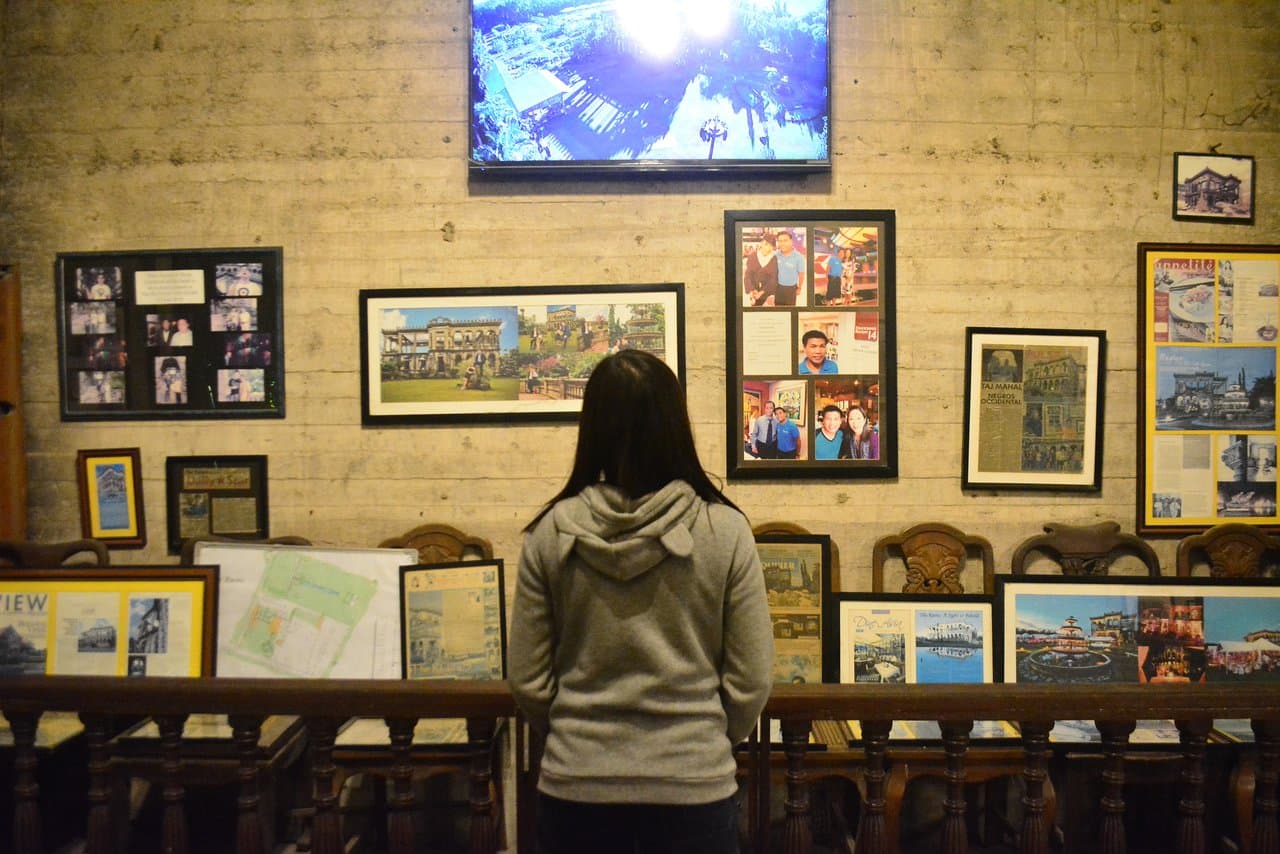
The Ruins is the remains of a grand mansion built in the early 1900s by a prominent sugar baron, Don Mariano Ledesma Lacson. This Italianate structure was burned during World War II but its concrete skeleton stands impressively amidst gardens. Visitors walk through the open-air ruins, learn about the Lacson family history, and take photos of the iconic facade. The site includes a cafe and gift shop. It's best visited in the morning to avoid afternoon heat and crowds. Plan about 1.5 hours to fully appreciate the architecture and grounds.
The Ruins
Why Visit
The Ruins represents Bacolod's sugar industry heritage and showcases remarkable architectural resilience. As one of the city's most photographed landmarks, it offers insight into the wealthy plantation era. The romantic atmosphere of the crumbling mansion amidst manicured gardens makes it particularly special for couples, providing beautiful backdrops for photos and a peaceful historical experience.
Visit on weekdays to avoid weekend crowds. The golden hour before sunset creates excellent lighting for photography. Address: Talisay City (just outside Bacolod proper but essential for cultural context).
2
Culinary Exploration and Local Flavors
Day 2 of your journey
3
Heritage Houses and Local Art
Day 3 of your journey
4
Local Markets and Farewell Flavors
Day 4 of your journey
Before You Go
Essential Travel Tips
Bacolod uses Philippine pesos (PHP). Credit cards are accepted at hotels and larger restaurants, but carry cash for markets and smaller establishments.
The primary language is Hiligaynon (Ilonggo), but English is widely spoken in tourist areas. Learning basic greetings like 'Maayong aga' (Good morning) is appreciated.
Jeepneys and tricycles are common local transport. For couples, taxis or ride-hailing apps like Grab offer more comfort and direct routes.
Bacolod is generally safe, but take normal precautions with valuables in crowded areas like markets. Avoid displaying expensive jewelry or electronics.
Dress respectfully when visiting churches and heritage sites. Shoulders and knees should be covered in religious buildings.
Tipping is not mandatory but appreciated. Round up taxi fares or leave 10% at restaurants if service was good.
Electrical outlets are 220V with Type A, B, or C plugs. Bring adapters if your devices use different plug types.
Stay hydrated and use sunscreen. Bacolod can be hot and humid, especially midday. Carry water during outdoor activities.
When to Go
Best Time to Visit
The best time to visit Bacolod is during the dry season from December to May, when rainfall is minimal and temperatures are slightly cooler. January to April offers the most reliable weather for sightseeing. The MassKara Festival in October is a major cultural event but brings larger crowds and higher prices. The rainy season from June to November can include heavy downpours, though these are usually brief. Avoid August and September if possible, as these typically have the highest rainfall. Temperatures remain warm year-round, averaging 25-32°C (77-90°F).
Local Insights & Tips
Bacolodnons are known for their warm hospitality and the city's nickname 'City of Smiles' reflects this friendly culture. The local identity is strongly tied to the sugar industry history, with many families connected to plantations. Food is central to social life, with shared meals being important occasions. The pace of life is generally relaxed compared to larger Philippine cities. When dining, it's common to share dishes family-style. Respect for elders is important in local customs. The city has a mix of modern development and well-preserved heritage areas, particularly in Silay. Sunday is family day, so some businesses may close or have reduced hours.