4 DaysPhilippines
Bacoor
Your 4-day travel guide
The best time to visit Bacoor is during the dry season from November to April, when rainfall is minimal and temperatures...
Bacoor•4D•All
Bacoor, Philippines
Duration:4 Days
Activities:12
Best for:All travelers
Cavite's Historic Gateway and Culinary Crossroads
Bacoor, officially the City of Bacoor, is a first-class component city in Cavite province, Philippines, located just south of Metro Manila. Often called the 'Gateway to Cavite,' it blends urban development with historical significance as a key site during the Philippine Revolution. For couples seeking culture and food, Bacoor offers a more authentic, less touristy experience than Manila, with local markets, historical landmarks, and a distinct culinary scene centered on seafood and Cavite specialties. Its mix of residential neighborhoods, commercial centers, and historical sites provides a genuine look at daily Filipino life in a growing city.
Get Real Local Advice
Ask someone who actually lives in Bacoor
1
Historical Foundations and Local Flavors
Day 1 of your journey
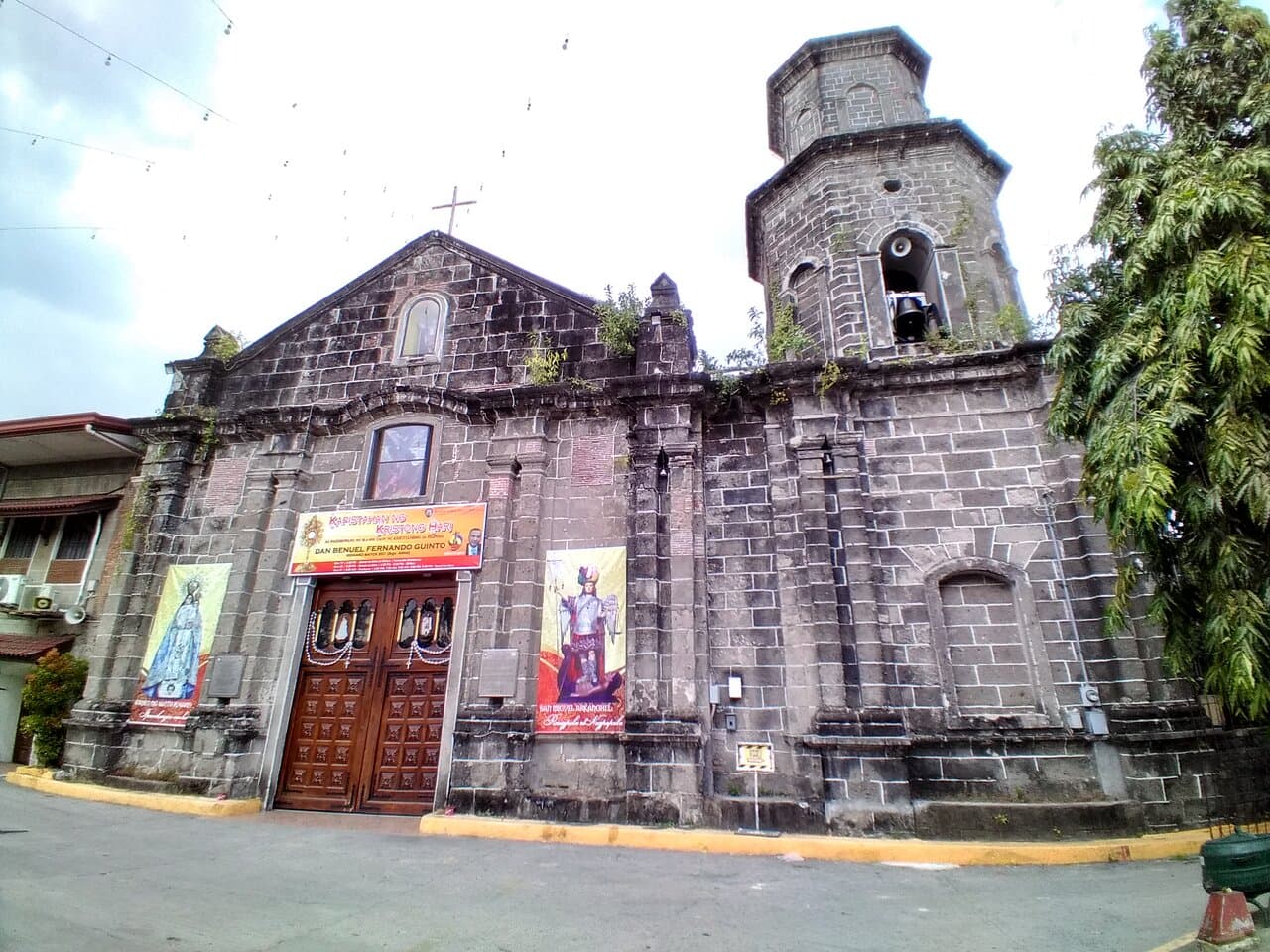
Start your cultural journey at the historic St. Michael the Archangel Parish Church, commonly called Bacoor Church. This Roman Catholic church dates back to the 17th century and played a role in the Philippine Revolution. The adjacent plaza is a community hub. You'll see the church's Spanish-era architecture, visit the interior, and observe local life in the plaza. A typical visit takes about an hour, best in the morning before it gets too warm. The site offers a peaceful start to understanding Bacoor's colonial and revolutionary past.
St. Michael the Archangel Parish Church (Bacoor Church)
Why Visit
This church is a significant historical landmark where General Emilio Aguinaldo and others planned during the revolution, making it essential for cultural exploration. Its architecture and active religious role provide insight into the city's heritage and present-day community life, perfectly aligning with the cultural theme of your trip.
Look for the historical marker outside detailing its revolutionary role. Address: Bacoor Church, Bacoor Boulevard, Bacoor City. Visit on a weekday morning to avoid crowds during mass times.
2
Culinary Deep Dive and Neighborhood Exploration
Day 2 of your journey
3
Cultural Immersion and Local Interactions
Day 3 of your journey
4
Farewell Feasts and Cultural Reflections
Day 4 of your journey
Before You Go
Essential Travel Tips
Use jeepneys and tricycles for local transport; fares are cheap, around 10-20 PHP for short trips.
Carry Philippine pesos (PHP) as cash is king in markets and small eateries; ATMs are available in malls.
Learn basic Filipino phrases like 'Salamat' (thank you) and 'Magkano?' (how much) for smoother interactions.
Bacoor is generally safe, but be cautious with valuables in crowded areas like markets.
Dress modestly when visiting churches; cover shoulders and knees as a sign of respect.
Tipping is not mandatory but appreciated; 10% is common in restaurants if service charge isn't included.
Stay hydrated and use sunscreen; Bacoor can be hot and humid, especially from March to May.
Check local holidays and festivals, like the Bacoor City Festival in May, for potential closures or events.
When to Go
Best Time to Visit
The best time to visit Bacoor is during the dry season from November to April, when rainfall is minimal and temperatures are more comfortable, ranging from 24°C to 32°C (75°F to 90°F). This period avoids the heavy rains of the wet season (June to October), which can cause flooding and disrupt outdoor activities. December to February are particularly pleasant with cooler temperatures. The summer months of March to May are hot and humid, but still manageable for indoor cultural sites and food exploration. Tourist crowds are generally lower than in major destinations like Manila, making any time feasible, but dry months offer the most reliable weather for exploring.
Local Insights & Tips
Bacoor is a city with a strong sense of community and historical pride, rooted in its role in the Philippine Revolution. Locals are generally friendly and welcoming, though English is widely understood in business areas, using Filipino or Tagalog in markets adds to the experience. The city mixes urban development with traditional values, so respect for elders and polite greetings are appreciated. Neighborhoods vary from bustling commercial zones along Molino Road to quieter residential areas near the bay. Food culture centers on seafood, Cavite specialties, and communal dining, reflecting Filipino hospitality. When visiting, embrace the slower pace in public spaces and engage with vendors; it's a working city, not a tourist hub, offering authentic interactions.