4 DaysPhilippinesprovince
Davao Oriental
Your 4-day travel guide
The best time to visit Davao Oriental is during the dry season from February to May when rainfall is minimal and seas ar...
Davao Oriental•4D•All
Davao Oriental, Philippines
Duration:4 Days
Activities:12
Best for:All travelers
Coastal Culture and Culinary Discovery in Eastern Mindanao
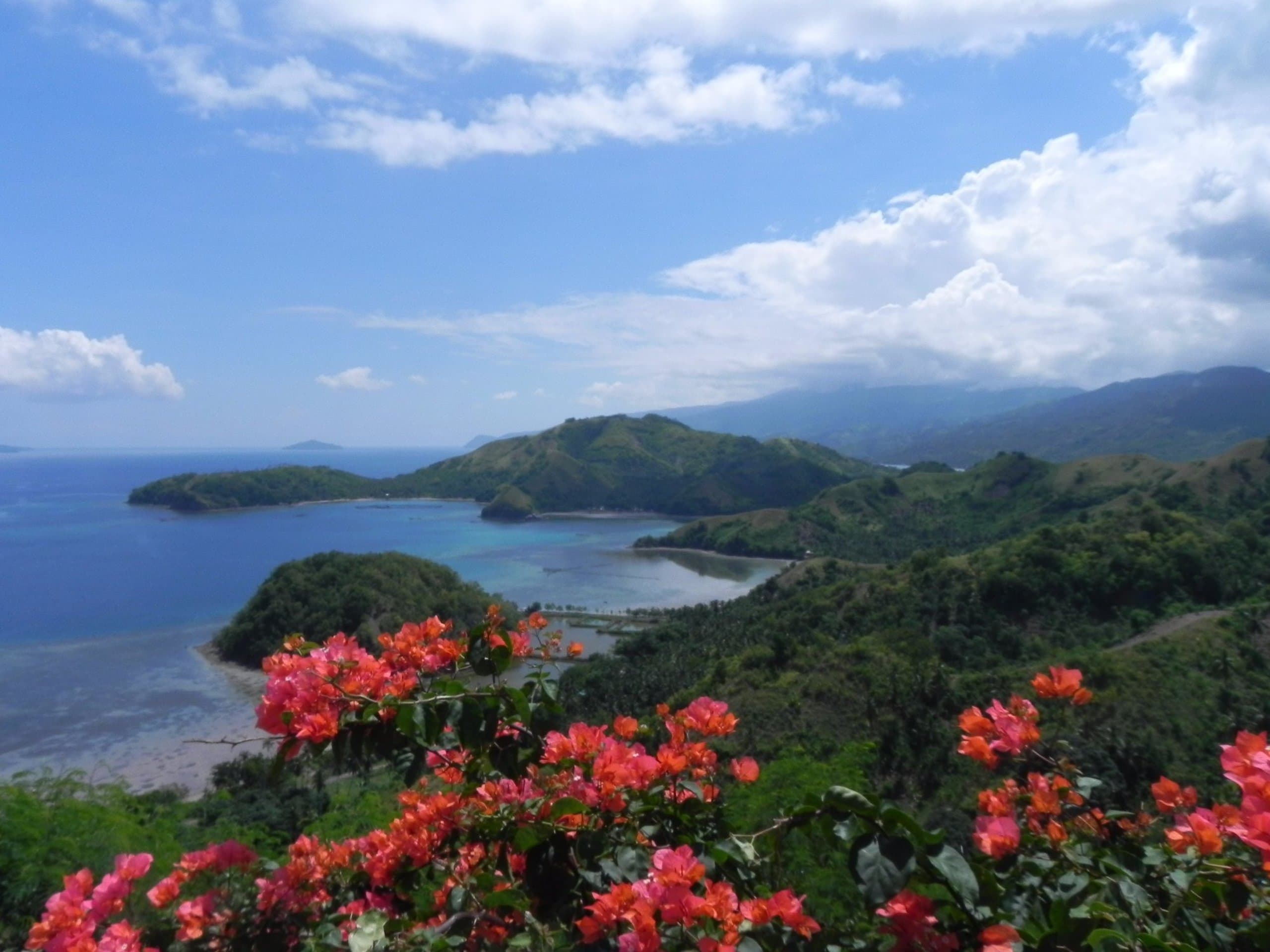
Davao Oriental, located on the eastern coast of Mindanao in the Philippines, offers a compelling blend of natural beauty, rich cultural heritage, and authentic local experiences. As the easternmost province of the country, it features stunning coastlines along the Philippine Sea, lush mountain ranges, and a mix of indigenous and colonial influences. This itinerary focuses on the province's cultural sites and culinary offerings, perfect for couples seeking meaningful connections through history and food. From Spanish-era churches to traditional weaving communities and fresh seafood markets, Davao Oriental provides an immersive journey into the heart of Eastern Mindanao.
Get Real Local Advice
Ask someone who actually lives in Davao Oriental
1
Historical Mati and Coastal Introduction
Day 1 of your journey
The Subangan Museum serves as Davao Oriental's provincial museum, showcasing the region's natural history, cultural heritage, and archaeological finds. Visitors will see the complete skeleton of a 50-foot sperm whale named 'Davao Gulf,' along with exhibits on indigenous Mandaya culture, traditional crafts, and local flora and fauna. The museum provides an excellent introduction to the province's identity. Plan for about 1.5 hours to explore all galleries thoroughly. It's best visited in the morning when it's less crowded.
Subangan Museum
Why Visit
This museum offers the most comprehensive overview of Davao Oriental's history and culture in one location. The whale skeleton is a unique centerpiece that represents the region's marine biodiversity, while the Mandaya cultural exhibits provide essential context for understanding local traditions you'll encounter throughout your trip. It's an ideal starting point for cultural exploration.
Address: Provincial Capitol Complex, National Highway, Mati City. Ask museum staff about current cultural events or festivals happening during your visit. The museum sometimes hosts traditional weaving demonstrations on weekends.
2
Mandaya Culture and Mountain Views
Day 2 of your journey
3
Caraga Heritage and Coastal Towns
Day 3 of your journey
4
Cateel Valley and Culinary Farewell
Day 4 of your journey
Before You Go
Essential Travel Tips
Philippine pesos (PHP) are the local currency. ATMs are available in Mati City but limited in smaller towns, so carry sufficient cash.
Tagalog and Cebuano are widely spoken. English is understood in tourist areas and by many younger residents.
Davao Oriental is generally safe, but exercise normal precautions with valuables. The province has a lower crime rate than urban centers.
Public transportation includes jeepneys, tricycles, and vans (UV Express). For inter-town travel, vans are most efficient.
Dress modestly when visiting churches and indigenous communities. Shoulders and knees should be covered in religious sites.
Mobile signal can be intermittent in remote areas. Download offline maps before traveling between towns.
Tipping is appreciated but not mandatory. 10% is generous for good service in restaurants.
Carry insect repellent, especially for evening activities near coastal or rural areas.
When to Go
Best Time to Visit
The best time to visit Davao Oriental is during the dry season from February to May when rainfall is minimal and seas are generally calm. This period offers the most reliable weather for coastal activities and inter-town travel. March to April typically has the least rainfall. The wet season runs from June to January, with November to January experiencing the heaviest rains that can occasionally affect road conditions. Temperatures remain warm year-round, averaging 26-32°C (79-90°F). Tourist crowds are generally manageable throughout the year, with slight increases during Philippine holidays and summer vacation months (April-May).
Local Insights & Tips
Davao Oriental has a mix of cultural influences including indigenous Mandaya traditions, Spanish colonial heritage, and modern Filipino culture. The Mandaya people, one of the province's indigenous groups, are known for their intricate weaving and brass jewelry. Respect local customs by asking permission before photographing people, especially in indigenous communities. Meals are important social occasions—don't be surprised if invited to share food. The province has a relaxed pace compared to urban areas; patience is valued. When visiting homes or certain establishments, removing shoes before entering is customary. The region takes pride in its natural resources; avoid littering and respect protected areas. Most residents are Catholic, with religious festivals occurring throughout the year. The local economy relies on agriculture (coconut, banana, rice) and fishing, which shapes daily life and culinary traditions.