
4 DaysPhilippines
Imus
Your 4-day travel guide
The best time to visit Imus is during the dry season, from November to April. During these months, you'll experience les...
Imus•4D•All
Imus, Philippines
Duration:4 Days
Activities:12
Best for:All travelers
Cavite's Historic Heart and Culinary Crossroads
Imus, the capital of Cavite province, offers a compelling blend of historical significance and local Filipino life. Known as the site of the Battle of Alapan and a center for the Philippine Revolution, the city provides a more intimate, less crowded alternative to nearby Manila. Its character is defined by a mix of modern commercial development and well-preserved heritage sites, with a strong sense of community. For travelers interested in culture and food, Imus serves as a gateway to understanding Cavite's revolutionary past while enjoying authentic regional cuisine in a setting that feels genuinely local rather than tourist-centric.
Get Real Local Advice
Ask someone who actually lives in Imus
1
Revolutionary Heritage and Local Flavors
Day 1 of your journey
Located within the Imus Plaza complex, this museum houses artifacts, documents, and dioramas detailing Cavite's role in the Philippine Revolution against Spanish rule. Visitors will see historical flags, weapons, and personal effects of local heroes. The museum provides essential context for understanding Imus's national significance. A typical visit takes about 1.5 hours. It's best visited in the morning to avoid afternoon heat and potential crowds from school groups.
Imus Historical Museum
Why Visit
This museum is fundamental for cultural travelers as it grounds Imus's identity in the Philippine Revolution. It offers a focused, manageable collection that tells a compelling local story, making the city's historical importance tangible. For couples, it provides a thoughtful, shared learning experience about the region's past.
Address: Imus Plaza, General Evangelista Street. Combine your visit with the adjacent Imus Cathedral and Plaza for a complete historical context. The museum is air-conditioned, providing a comfortable break.
2
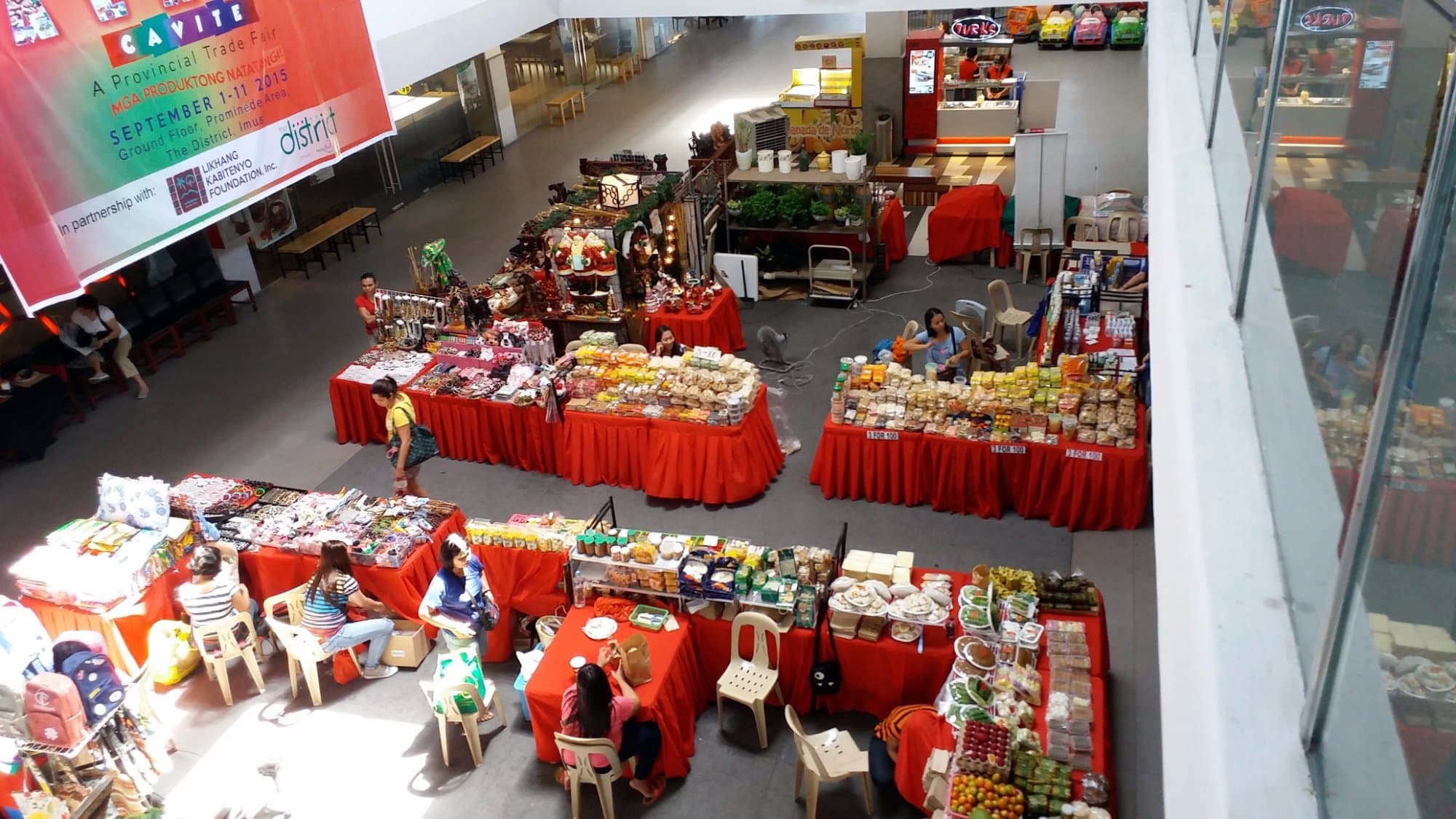
Culinary Discovery and Artisan Crafts
Day 2 of your journey
3
National Heroes and Neighborhood Life
Day 3 of your journey
4
Modern Imus and Farewell Feast
Day 4 of your journey
Before You Go
Essential Travel Tips
The local currency is the Philippine Peso (PHP). ATMs are widely available in malls and commercial centers.
Tagalog is the primary language. Basic English is widely understood, especially in shops and restaurants.
The most common way to get around is by jeepney (color-coded routes) or tricycle for shorter trips. Agree on the fare with tricycle drivers before riding.
For comfort, use ride-hailing apps like Grab, which operate in Imus and offer predictable fares.
Imus is generally safe, but practice standard precautions: be aware of your belongings in crowded areas like markets.
Dress respectfully when visiting churches. Cover shoulders and knees.
Tipping is not mandatory but appreciated. Rounding up the bill or leaving 5-10% in restaurants is a good gesture.
Stay hydrated. Bottled water is recommended, and it's widely available from convenience stores.
When to Go
Best Time to Visit
The best time to visit Imus is during the dry season, from November to April. During these months, you'll experience less rainfall and lower humidity, making outdoor exploration of historical sites and markets more comfortable. The peak of summer (March to May) can be very hot. The rainy season (June to October) brings frequent, heavy afternoon showers that can disrupt travel plans. Major local festivals, like the Imus City Festival (Kawayan Festival) in May, offer vibrant cultural experiences but also mean larger crowds.
Local Insights & Tips
Imus has a strong sense of community and local pride, deeply connected to its history as a 'Heroic City' of the Philippine Revolution. Residents are generally friendly and helpful. The pace of life is more relaxed than in Metro Manila. When interacting, a polite and patient demeanor is valued. Meals are important social occasions, and sharing food is common. The city is a mix of traditional neighborhoods and newer suburban developments. While modern malls exist, the public market and local eateries remain central to daily life. Remember that Friday traffic can be heavier as people travel for the weekend.