
4 DaysPhilippinesprovince
Samar
Your 4-day travel guide
The best time to visit Samar is during the dry season from February to May, when rainfall is minimal and temperatures ar...
Samar•4D•All
Samar, Philippines
Duration:4 Days
Activities:12
Best for:All travelers
Culture and Cuisine in the Heart of the Philippines
Samar, one of the Philippines' three main islands in the Visayas region, offers a journey into authentic Filipino life away from the crowded tourist trails. Known for its resilient spirit, rich history, and natural wonders, the province presents a mix of Spanish colonial heritage, traditional Waray culture, and stunning landscapes from caves to coastlines. This itinerary focuses on the cultural heartbeat and culinary traditions of Samar, guiding couples through historic towns, local markets, and serene natural sites. You'll experience warm hospitality, discover stories of resilience, and taste dishes unique to the region, all while exploring at a relaxed pace perfect for a romantic getaway.
Get Real Local Advice
Ask someone who actually lives in Samar
1
Historic Catbalogan and Local Flavors
Day 1 of your journey
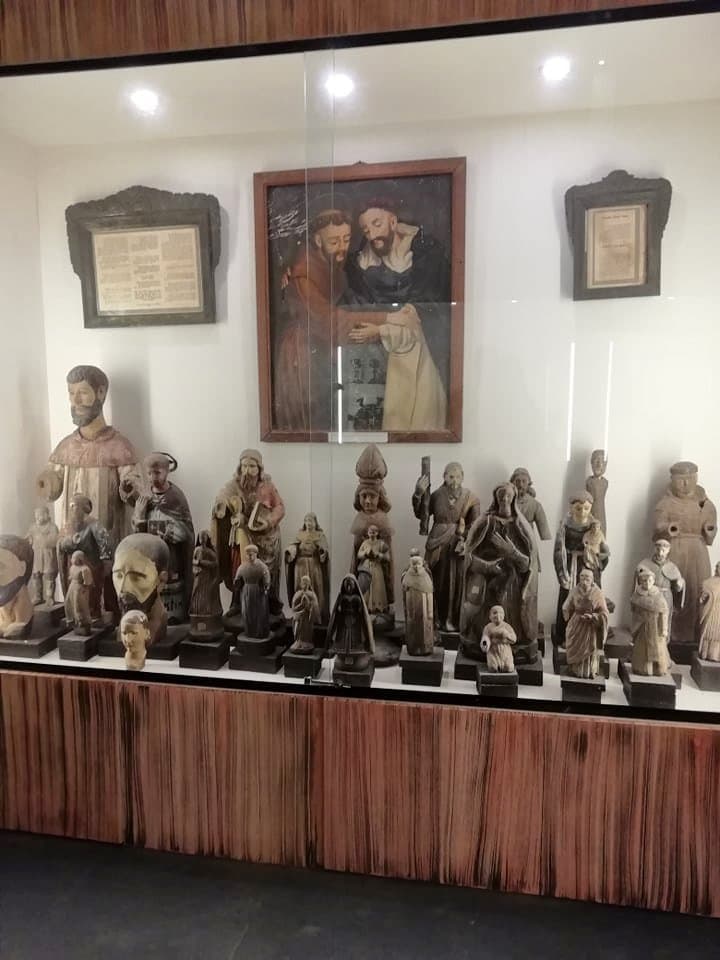
Start your trip at this museum located in the old Capitol Building. It showcases Samar's history, from pre-colonial artifacts to exhibits on the Philippine-American War and local heroes. You'll see traditional Waray tools, textiles, and photographs documenting the province's past. The building itself is a historic landmark. Plan for about 1.5 hours to appreciate the collections, which provide essential context for your visit. It's a quiet, informative spot to begin understanding the region's identity.
Samar Provincial Museum
Why Visit
This museum offers the best introduction to Samar's cultural and historical narrative. For couples interested in culture, it provides a shared learning experience about the Waray people's heritage and resilience. The exhibits on local traditions and historical events, like the Balangiga Encounter, are thoughtfully presented and not commonly found in mainstream Philippine tourism, making it a meaningful first stop.
The museum is small and can be visited quickly, but take time to read the descriptions. It's often quiet in the morning. Address: Capitol Grounds, Catbalogan City. Check ahead for opening days as hours can vary.
2
Calbayog's Heritage and Natural Beauty
Day 2 of your journey
3
Basey's Traditions and Culinary Crafts
Day 3 of your journey
4
Guinayangan's Coastal Charm and Return
Day 4 of your journey
Before You Go
Essential Travel Tips
Use cash (Philippine Pesos) as credit cards are not widely accepted outside cities; ATMs are available in Catbalogan and Calbayog but may be limited in smaller towns.
Learn basic Waray or Tagalog phrases; English is understood in tourist areas, but locals appreciate efforts in their language.
Dress modestly, especially when visiting churches or rural areas; lightweight, breathable clothing is best for the tropical climate.
Stay hydrated and use sunscreen; Samar can be hot and humid, with temperatures often around 25-32°C (77-90°F).
Be prepared for intermittent internet and mobile signal in remote areas; download maps or information offline.
Respect local customs; ask permission before taking photos of people, and be polite in interactions.
Travel light for easier movement between vans and tricycles; roads can be rough, so sturdy bags are helpful.
Check weather conditions, especially during rainy season (November to January), as some roads may be affected.
When to Go
Best Time to Visit
The best time to visit Samar is during the dry season from February to May, when rainfall is minimal and temperatures are warm, ideal for outdoor activities and travel between towns. This period avoids the heavy rains of the typhoon season (June to October) and the cooler, wetter months of November to January. Tourist crowds are generally low year-round, but dry weather makes exploring caves, beaches, and rural areas more comfortable. If you visit in the shoulder months like January or June, be prepared for occasional showers.
Local Insights & Tips
Samar is part of the Waray-Waray cultural region, known for its strong sense of identity and resilience. Locals are generally friendly but may be reserved initially; a smile and respectful demeanor go a long way. The province has a rich history of resistance, evident in sites related to the Philippine-American War. Culinary traditions highlight simple, hearty dishes using local ingredients like seafood, coconut, and root crops. Festivals, such as the Catbalogan City Fiesta in September, showcase vibrant dances and music, but these are less touristy than in other parts of the Philippines. In rural areas, life moves slowly, reflecting a deep connection to land and sea. Tipping is not expected but appreciated for good service.