
4 DaysPhilippines
Taguig City
Your 4-day travel guide
The best time to visit Taguig is during the dry season from November to April, when rainfall is minimal and temperatures...
Taguig City•4D•All
Taguig City, Philippines
Duration:4 Days
Activities:12
Best for:All travelers
Modern Manila and Cultural Discoveries
Taguig City is a dynamic part of Metro Manila, known for its striking contrast between modern business districts and traditional neighborhoods. Once a quiet municipality, it has transformed into a key financial and lifestyle hub, home to the upscale Bonifacio Global City (BGC) and historic areas like the Poblacion. This itinerary for couples focuses on the city's cultural depth and excellent food scene, blending contemporary art, historical sites, and diverse culinary experiences. You'll explore well-planned urban spaces, learn about local heritage, and enjoy intimate dining, all within a city that balances rapid development with pockets of authentic Filipino life.
Get Real Local Advice
Ask someone who actually lives in Taguig City
1
Modern Art and Urban Exploration
Day 1 of your journey
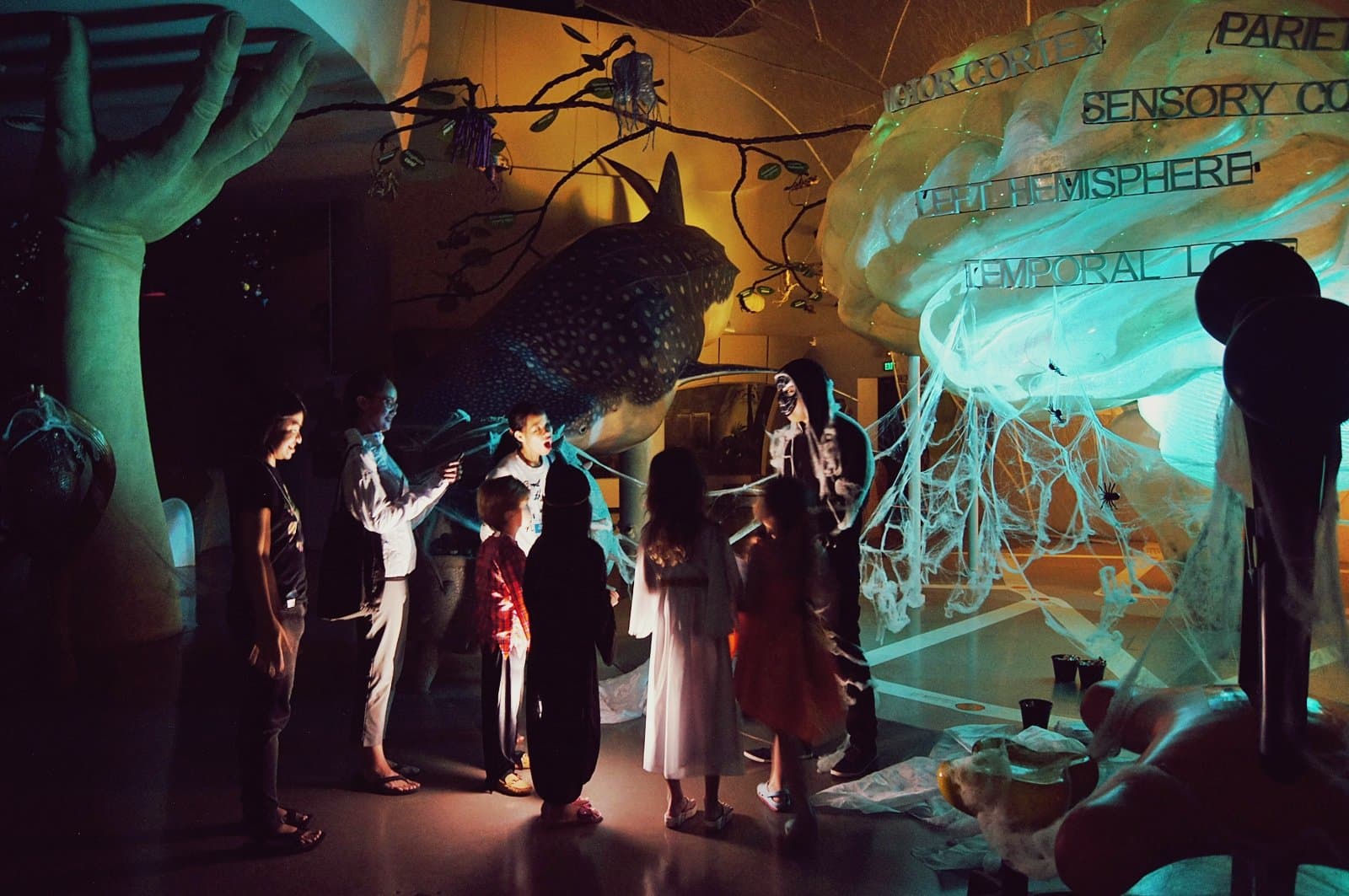
The Mind Museum is a world-class science museum in BGC, but its art component includes innovative exhibits blending science and creativity. Couples can explore interactive displays and contemporary installations that reflect Filipino innovation. It's a great indoor activity to start the day, typically taking 2-3 hours. Visit on weekdays to avoid weekend crowds, and check their website for special art-themed exhibitions.
The Mind Museum
Why Visit
This museum offers a unique perspective on Filipino creativity through the lens of science and art, making it educational and visually engaging. It's a perfect couple activity for stimulating conversation and discovering local talent in a modern, air-conditioned space.
Address: J.Y. Campos Park, 3rd Ave, Taguig. Book tickets online in advance to skip queues, especially on weekends. The museum cafe is a nice spot for a coffee break.
2
Cultural Heritage and Local Flavors
Day 2 of your journey
3
Artisanal Crafts and Relaxed Dining
Day 3 of your journey
4
Local Neighborhoods and Farewell Feasts
Day 4 of your journey
Before You Go
Essential Travel Tips
Use ride-hailing apps like Grab for convenient and affordable transportation around Taguig and Metro Manila.
The local currency is the Philippine Peso (PHP); credit cards are widely accepted in malls and upscale areas, but carry cash for markets and smaller establishments.
English is commonly spoken, especially in business districts like BGC, making communication easy for international visitors.
Taguig is generally safe, but exercise standard precautions: avoid displaying valuables in crowded areas and use reputable transport at night.
Dress respectfully when visiting religious sites like churches; covering shoulders and knees is appreciated.
Tipping is not mandatory but appreciated; 5-10% in restaurants is common if service charge isn't included.
Stay hydrated and use sunscreen, as the weather can be hot and humid, especially from March to May.
Check traffic conditions via apps like Waze, as Metro Manila can have heavy congestion during rush hours (7-9 AM and 5-8 PM).
When to Go
Best Time to Visit
The best time to visit Taguig is during the dry season from November to April, when rainfall is minimal and temperatures are more comfortable, ranging from 24°C to 32°C (75°F to 90°F). December to February are particularly pleasant with cooler evenings. Avoid the rainy season from June to October, as heavy monsoon rains can disrupt outdoor activities and cause flooding in some areas. May is the hottest month, with high humidity, so if visiting then, plan indoor activities during midday. Tourist crowds peak around holidays like Christmas and Holy Week, so book accommodations in advance if traveling during those periods.
Local Insights & Tips
Taguig reflects a mix of modern urban life and traditional Filipino values. In areas like BGC, you'll see a cosmopolitan lifestyle with international influences, while Poblacion retains a more local, community-oriented feel. Filipinos are generally friendly and hospitable; a smile and polite demeanor go a long way. When dining, it's common to share dishes family-style, and don't be surprised by hearty portions. Respect for elders is important, so use 'po' and 'opo' (terms of respect) when speaking to older locals. The city has a vibrant food scene that blends street food with upscale dining, so be adventurous with local flavors like adobo and sinigang. Note that traffic can be heavy, so plan travel times flexibly, and embrace the slower pace in traditional neighborhoods.