4 DaysPhilippines
Tondo
Your 4-day travel guide
The best time to visit Tondo is during the dry season from December to April when rainfall is minimal and temperatures a...
Tondo•4D•All
Tondo, Philippines
Duration:4 Days
Activities:12
Best for:All travelers
Manila's Historic Heart and Culinary Soul
Tondo, located in northern Manila, is one of the oldest and most historically significant districts in the Philippines. Known as the birthplace of the Philippine Revolution, this densely populated area offers a raw, authentic glimpse into Manila's working-class culture and rich history. While often overlooked by tourists, Tondo provides genuine experiences through its historic sites, local markets, and traditional Filipino cuisine. This itinerary focuses on cultural landmarks and food exploration, carefully selected for couples seeking to understand Manila's roots beyond typical tourist paths. The pace balances discovery with comfort, highlighting accessible attractions that showcase Tondo's unique character.
Get Real Local Advice
Ask someone who actually lives in Tondo
1
Historical Foundations and Local Markets
Day 1 of your journey
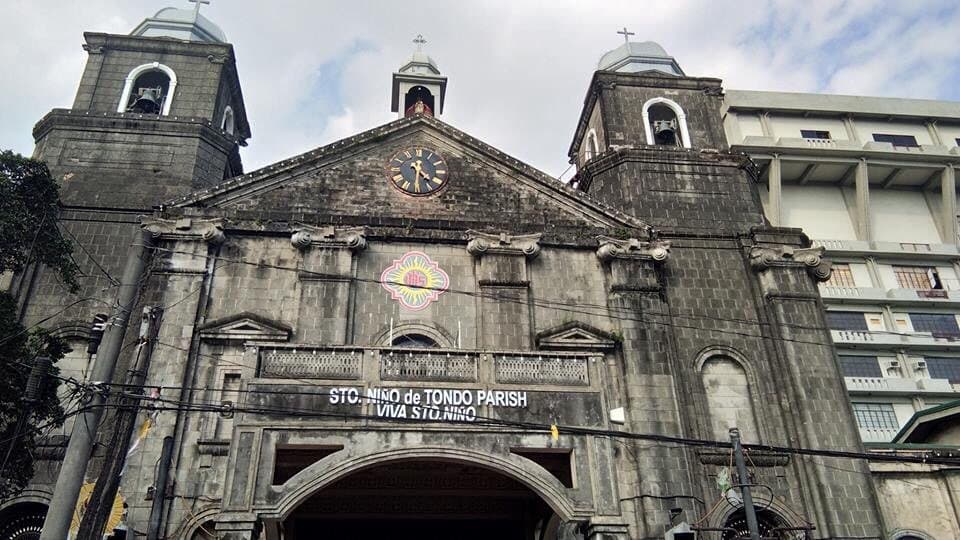
This 16th-century church, officially known as Santo Niño de Tondo Parish Church, is one of Manila's oldest Catholic churches. Founded by Augustinian friars in 1572, it has survived multiple reconstructions after fires and earthquakes. Visitors can admire the Spanish colonial architecture and the revered image of the Santo Niño (Holy Child). The church remains an active place of worship with regular masses. A typical visit takes about an hour, with mornings being less crowded than weekends.
Santo Niño de Tondo Parish Church
Why Visit
This church represents the deep Catholic heritage of the Philippines and Tondo's colonial history. As one of the district's oldest structures, it provides context for understanding Manila's development. The architecture and religious artifacts offer cultural insight, while the active community atmosphere shows modern Filipino faith practices.
Address: 420 Juan Luna Street, Tondo. Dress modestly when visiting, covering shoulders and knees. The church can get crowded during Sunday masses, so weekdays offer a quieter experience. Nearby street parking is limited.
2
Revolutionary History and Local Crafts
Day 2 of your journey
3
Community Life and Evening Culture
Day 3 of your journey
4
Culinary Heritage and Departure
Day 4 of your journey
Before You Go
Essential Travel Tips
Use Grab or taxis for transportation—Tondo's streets can be confusing for first-time visitors
Carry small Philippine peso bills (20, 50, 100 PHP) for market purchases and street food
Learn basic Tagalog phrases like 'Salamat' (thank you) and 'Magkano?' (how much?)
Dress modestly when visiting religious sites—cover shoulders and knees
Drink bottled water and be cautious with street food if you have sensitive stomachs
Tondo is generally safe during daytime but be aware of your surroundings and avoid isolated areas at night
Many establishments prefer cash payments, though some accept cards
Internet connectivity can be inconsistent, so download maps offline
When to Go
Best Time to Visit
The best time to visit Tondo is during the dry season from December to April when rainfall is minimal and temperatures are slightly cooler. January to March offers the most comfortable weather with less humidity. The rainy season from June to October brings frequent heavy downpours that can disrupt outdoor exploration. November and May are transitional months with occasional showers. Major Filipino holidays like Christmas and Holy Week see increased local activity but also more crowded conditions.
Local Insights & Tips
Tondo is a working-class district with deep historical significance as the birthplace of the Philippine Revolution. Residents are generally friendly but value privacy in residential areas. The area has a strong sense of community despite urban challenges. When interacting with locals, a respectful, low-key approach is appreciated. Tondo's culture reflects broader Manila characteristics with particular pride in its revolutionary history. Economic diversity means you'll see both informal street economies and established businesses. Filipino time can be flexible for informal arrangements. Personal connections matter in local interactions. The district has significant Catholic influence alongside Chinese-Filipino cultural elements.