4 DaysPhilippines
Valenzuela
Your 4-day travel guide
The best time to visit Valenzuela is during the dry season from November to April, when rainfall is minimal and temperat...
Valenzuela•4D•All
Valenzuela, Philippines
Duration:4 Days
Activities:12
Best for:All travelers
Urban Flavors and Historical Layers
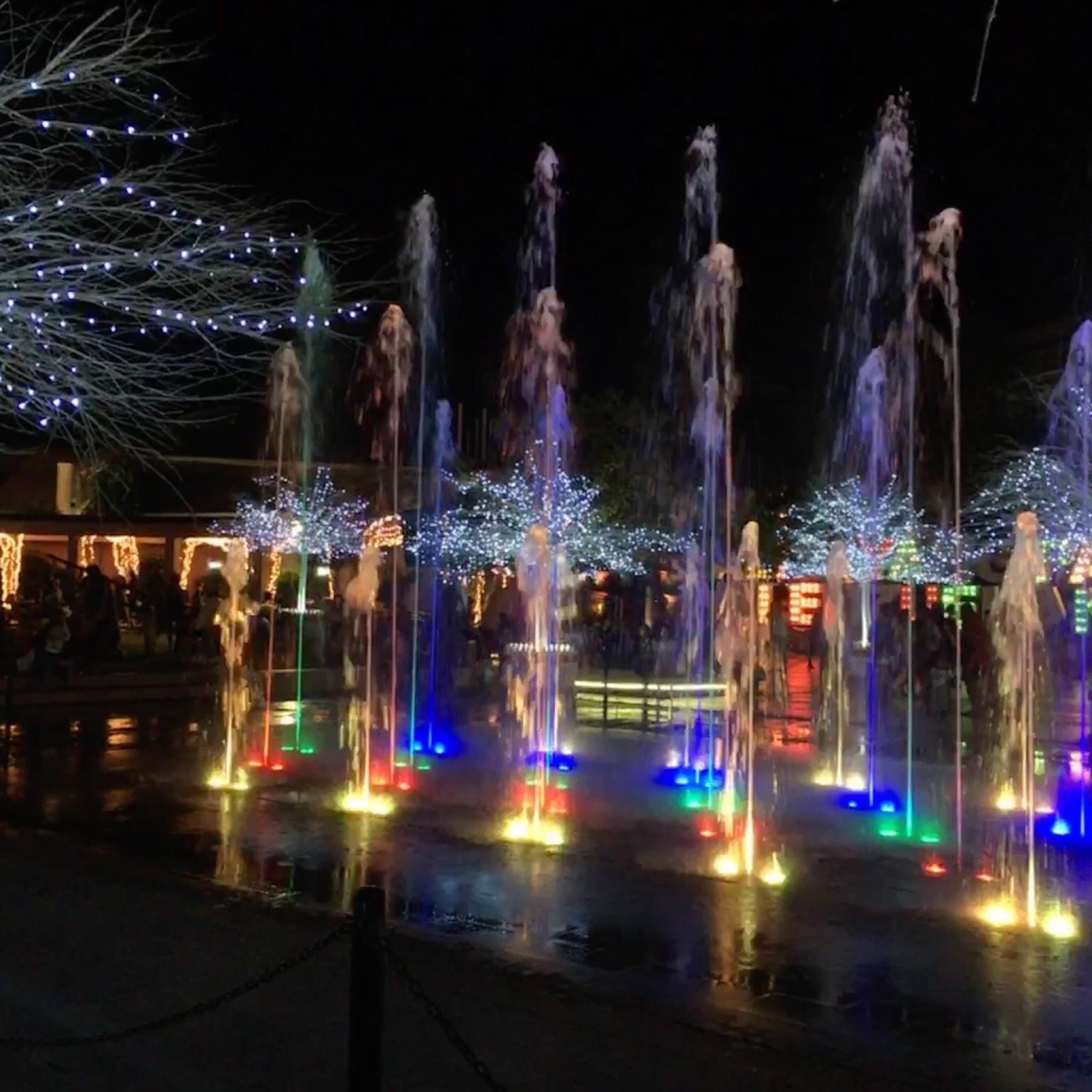
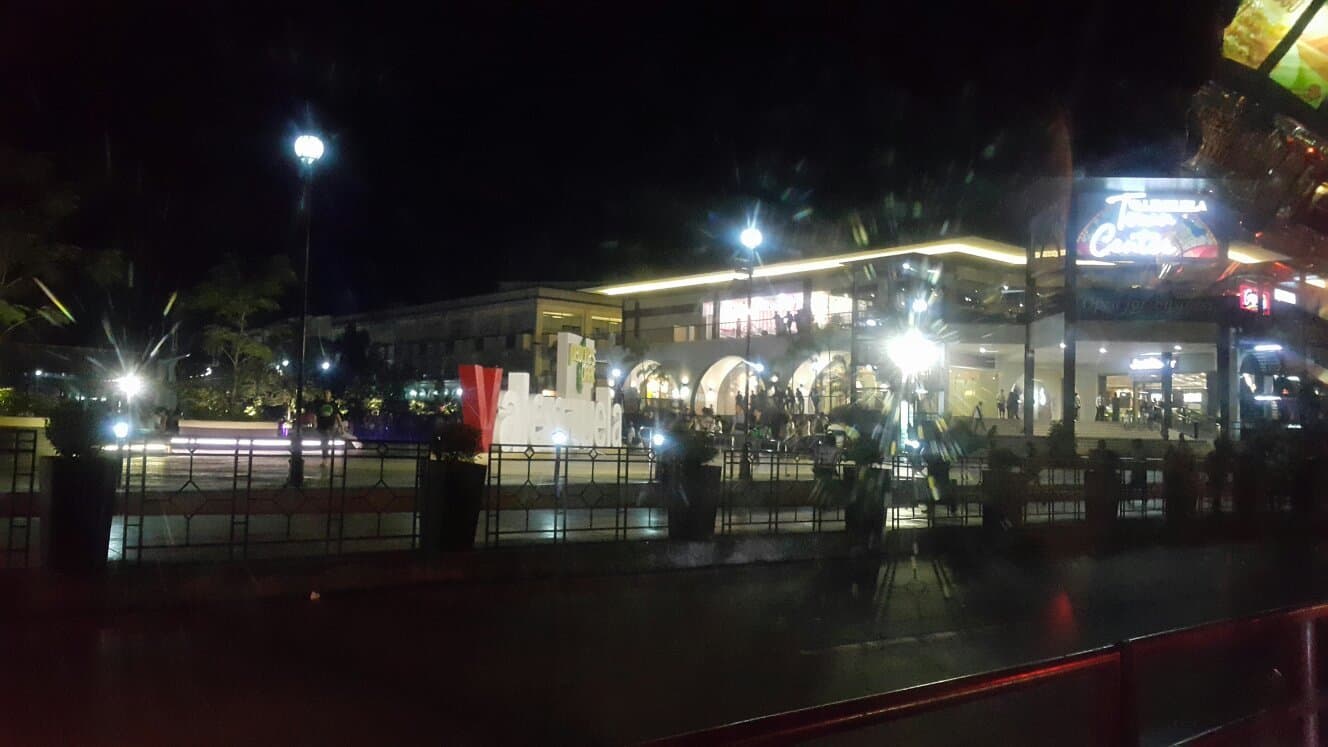
Valenzuela, a city in Metro Manila, Philippines, offers a distinct urban experience that blends industrial heritage with local community life. While not a typical tourist hub, it provides authentic glimpses into Filipino culture through its historical sites, local markets, and neighborhood eateries. The city's character is shaped by its role in Philippine history and its position as a residential and commercial center north of Manila. For travelers interested in culture and food beyond the usual tourist trails, Valenzuela presents opportunities to explore local history, sample regional dishes, and experience everyday life in a Philippine city.
Get Real Local Advice
Ask someone who actually lives in Valenzuela
1
Historical Foundations and Local Markets
Day 1 of your journey
The Valenzuela City Museum, located in the city hall complex, showcases the history and heritage of the area. It features exhibits on local figures, historical events, and cultural artifacts. Visitors can learn about Dr. Pio Valenzuela, a Philippine revolutionary, and the city's development. The museum provides context for understanding the region's place in national history. It's typically open on weekdays, with free admission, and a visit takes about an hour. It's a quiet, informative start to exploring the city's past.
Valenzuela City Museum
Why Visit
This museum offers essential background on Valenzuela's historical significance, particularly its connection to the Philippine Revolution. It helps travelers appreciate the city's identity beyond its modern urban appearance. The exhibits on Dr. Pio Valenzuela provide personal insight into local history, making it a meaningful cultural stop for couples interested in understanding the area's roots.
Check the city's website for current opening hours, as they may vary. The museum is small, so combine it with a visit to the nearby city hall area. Address: Valenzuela City Hall Complex, MacArthur Highway.
2
Cultural Sites and Neighborhood Exploration
Day 2 of your journey
3
Local Life and Culinary Discovery
Day 3 of your journey
4
Community Insights and Farewell Flavors
Day 4 of your journey
Before You Go
Essential Travel Tips
Use jeepneys and tricycles for local transport; fares are cheap, around 10-20 pesos for short trips.
Carry Philippine pesos (PHP) as cash is king in local markets and small eateries.
Learn basic Filipino phrases like 'Salamat' (thank you) and 'Magkano?' (how much?) for smoother interactions.
Valenzuela is generally safe, but be cautious with belongings in crowded areas like markets.
Dress modestly when visiting religious sites like churches.
Many attractions have free admission, but check ahead for any fees or opening hours.
Internet access may vary; consider getting a local SIM card for data if needed.
Respect local customs, such as removing shoes before entering some homes or establishments.
When to Go
Best Time to Visit
The best time to visit Valenzuela is during the dry season from November to April, when rainfall is minimal and temperatures are more comfortable, ranging from 24°C to 32°C. This period avoids the heavy rains of the wet season (June to October), which can cause flooding and disrupt outdoor activities. December to February are particularly pleasant with cooler temperatures. Avoid the peak of summer in April and May if you're sensitive to heat, as it can get very hot. Tourist crowds are not a major issue here, so timing is more about weather than avoiding visitors.
Local Insights & Tips
Valenzuela is a city with a strong sense of community, where family and neighborhood ties are important. It's part of Metro Manila but has its own identity, with a mix of industrial areas and residential neighborhoods. The local culture is influenced by Filipino traditions, with Catholicism playing a significant role, as seen in churches and festivals. People are generally friendly and hospitable, though English is widely understood in commercial areas. When dining, it's common to share dishes family-style. The pace of life is slower than in central Manila, offering a more relaxed urban experience. Respect for elders and polite greetings are valued in social interactions.