
4 DaysPhilippinesprovince
Zamboanga Del Norte
Your 4-day travel guide
The best time to visit Zamboanga del Norte is during the dry season from December to May, when rainfall is minimal and s...
Zamboanga Del Norte•4D•All
Zamboanga Del Norte, Philippines
Duration:4 Days
Activities:12
Best for:All travelers
Coastal Culture and Culinary Delights in Northern Mindanao
Zamboanga del Norte, located in the northern part of the Zamboanga Peninsula in Mindanao, offers a rich mix of cultural heritage, natural beauty, and authentic Filipino experiences. This province features coastal towns with Spanish colonial history, indigenous Subanen communities, and some of the region's most interesting local cuisine. For couples seeking a cultural and culinary journey, Zamboanga del Norte provides opportunities to explore historical sites, interact with local communities, and taste unique dishes that reflect its diverse influences. The province's relatively undiscovered status compared to more touristy Philippine destinations means you'll encounter genuine local experiences without the crowds.
Get Real Local Advice
Ask someone who actually lives in Zamboanga Del Norte
1
Historical Dapitan and Rizal's Legacy
Day 1 of your journey
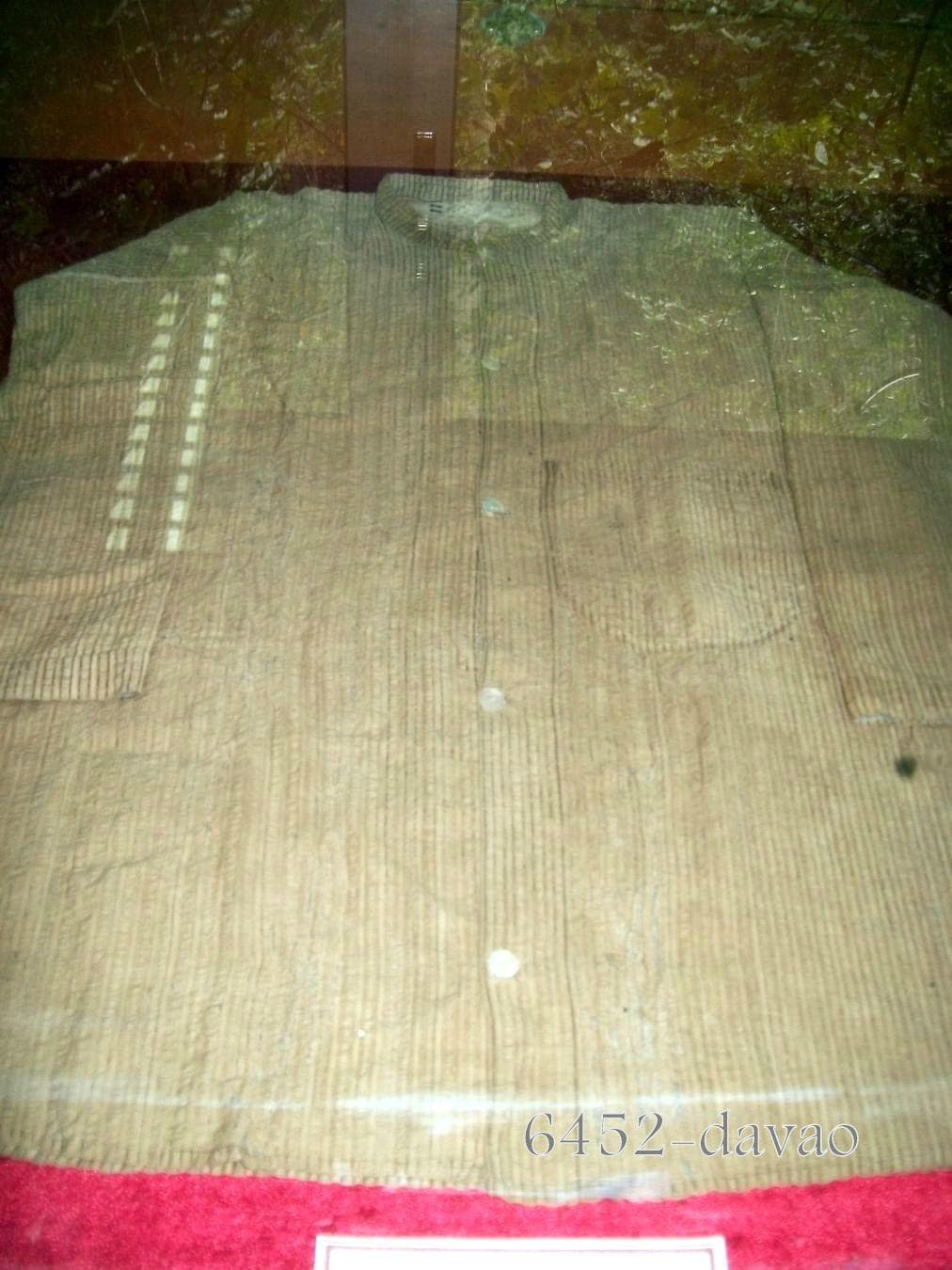
This historical complex preserves the former residence and grounds where national hero Dr. Jose Rizal spent four years in exile from 1892 to 1896. You'll see the restored house where he lived, the clinic where he practiced medicine, and the school he established for local children. The shrine includes various artifacts from Rizal's time in Dapitan and provides insight into this important period of Philippine history. Plan to spend about 2 hours exploring the grounds and exhibits.
Rizal Shrine Dapitan
Why Visit
As the most significant historical site in Zamboanga del Norte, the Rizal Shrine offers a tangible connection to Philippine national history. For couples interested in culture, this provides context about the country's colonial past and the life of its most revered hero. The peaceful grounds and well-preserved structures create a reflective atmosphere perfect for thoughtful exploration together.
Visit early to avoid midday heat and crowds. The shrine is located in Barangay Talisay, about 2 kilometers from Dapitan City proper. Address: Rizal Street, Barangay Talisay, Dapitan City.
2
Coastal Dipolog and Local Cuisine
Day 2 of your journey
3
Sindangan's Local Markets and Community
Day 3 of your journey
4
Return to Dipolog for Departure
Day 4 of your journey
Before You Go
Essential Travel Tips
The local currency is the Philippine Peso (PHP). ATMs are available in Dipolog and Dapitan but may be limited in smaller towns like Sindangan, so carry sufficient cash.
Tagalog and Cebuano (Bisaya) are widely spoken. English is commonly understood in tourist areas and by younger residents, making communication relatively easy.
Public transportation includes buses, vans, and tricycles. For inter-city travel, air-conditioned vans are faster than buses for shorter routes like Dapitan to Dipolog.
Weather is generally warm and humid year-round. Light, breathable clothing is recommended, with a light jacket for air-conditioned vehicles and buildings.
Respect local customs, particularly in religious sites. Dress modestly when visiting churches, covering shoulders and knees.
Tipping is appreciated but not mandatory. In restaurants, 5-10% is customary for good service if no service charge is included.
Stay hydrated and use sunscreen, especially when exploring outdoor sites during midday hours.
Mobile network coverage is generally good in urban areas but may be spotty in rural sections between towns.
When to Go
Best Time to Visit
The best time to visit Zamboanga del Norte is during the dry season from December to May, when rainfall is minimal and seas are generally calm. February to April typically offer the sunniest weather with lower humidity. The wet season from June to November brings more frequent rain, with August and September often having the highest precipitation. While temperatures remain warm year-round (averaging 25-32°C/77-90°F), the dry season provides more reliable conditions for travel and outdoor activities. Major festivals occur throughout the year, with the Dipolog City Festival in September and the Dapitan City Fiesta in July offering cultural experiences but potentially crowded conditions.
Local Insights & Tips
Zamboanga del Norte has a mix of cultural influences including indigenous Subanen communities, Spanish colonial heritage, and modern Filipino culture. The province is predominantly Catholic, with religious festivals and traditions playing important roles in community life. Respect for elders and family values are emphasized in local customs. When interacting with residents, polite greetings and patience are appreciated. The pace of life is generally slower than in major Philippine cities, reflecting the province's provincial character. Local cuisine features seafood prominently, with dishes often incorporating coconut, chili, and souring agents like tamarind or calamansi. While generally safe for visitors, it's advisable to stay informed about local conditions and follow standard travel precautions.