4 DaysPolandprovince
Lubuskie
Your 4-day travel guide
Late spring (May-June) and early autumn (September) offer pleasant temperatures (15-22°C), fewer tourists, and comfortab...
Lubuskie•4D•All
Lubuskie, Poland
Duration:4 Days
Activities:12
Best for:All travelers
Castles, Lakes, and Polish-German Heritage
Lubuskie, Poland's western province, offers a fascinating blend of Polish and German history, tranquil lake landscapes, and hearty regional cuisine. This region, once part of Brandenburg and Prussia, features well-preserved medieval castles, charming small towns, and expansive forests. For couples seeking culture and food, Lubuskie provides intimate historical exploration without crowds, authentic local dining experiences, and scenic natural settings perfect for romantic strolls. The province's location along the Oder River creates a peaceful atmosphere ideal for a relaxed four-day journey through its cultural highlights.
Get Real Local Advice
Ask someone who actually lives in Lubuskie
1
Historical Exploration in Gorzów Wielkopolski
Day 1 of your journey
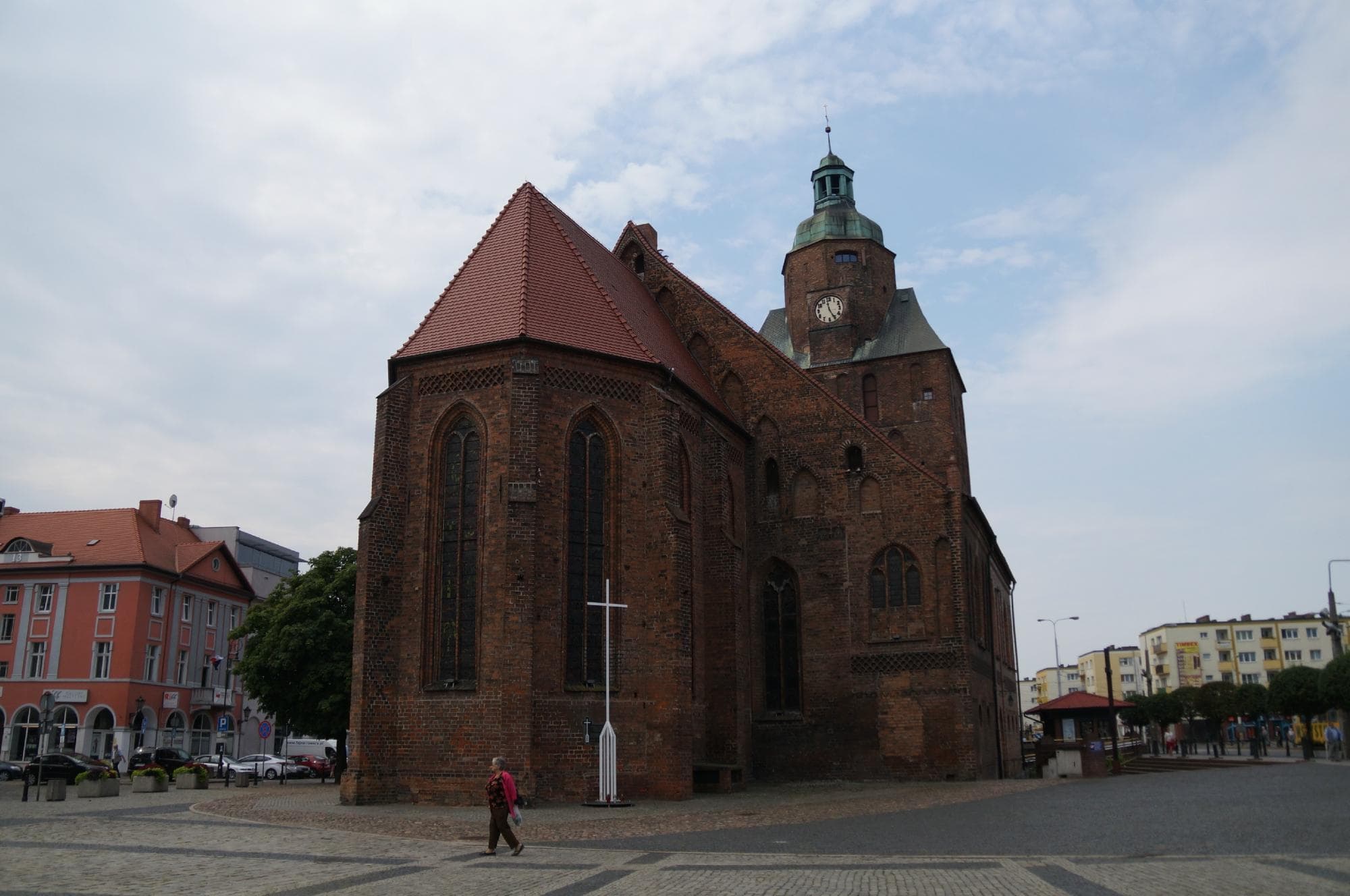
This Gothic cathedral, dating back to the 13th century, is the oldest building in Gorzów Wielkopolski. Couples can admire its impressive brick architecture, stained glass windows, and historical significance as the city's main religious site. The interior features beautiful vaulting and religious art. Visit takes about an hour, with morning light providing the best illumination for photography. The cathedral is typically open daily, with free admission to the main nave.
Katedra Wniebowzięcia Najświętszej Maryi Panny
Why Visit
This cathedral represents the deep historical roots of Lubuskie, showcasing medieval architecture that survived centuries of regional changes. For couples interested in culture, it offers a peaceful, contemplative space with artistic details worth examining closely. The building's longevity tells the story of the city's evolution from German Landsberg to Polish Gorzów.
Check the small museum in the adjacent building for historical artifacts. Address: plac Katedralny 1. The square outside often hosts local events on weekends.
2
Medieval Castles and Regional Cuisine
Day 2 of your journey
3
Zielona Góra Wine Culture
Day 3 of your journey
4
Międzyrzecz Fortifications and Farewell Dinner
Day 4 of your journey
Before You Go
Essential Travel Tips
Lubuskie uses Polish złoty (PLN); credit cards are widely accepted in cities but carry cash for smaller towns
Basic Polish phrases are appreciated; English is spoken in tourist areas but less in rural locations
Public transport connects major towns but a rental car is recommended for flexibility across the province
Summer months (June-August) are warm but can be rainy; pack layers and rain gear
Museum opening hours may vary seasonally; check websites before visiting
Tipping 10% in restaurants is customary for good service
Drinking water is safe throughout the region
Poland uses Type E electrical plugs (230V)
When to Go
Best Time to Visit
Late spring (May-June) and early autumn (September) offer pleasant temperatures (15-22°C), fewer tourists, and comfortable conditions for exploring castles and towns. Summer (July-August) is warm (20-28°C) but can have occasional rain and more visitors, particularly at popular sites like Łagów Castle. Winter (December-February) is cold (often below freezing) with possible snow, making outdoor exploration less comfortable but creating beautiful snowy castle scenes. Many attractions have reduced hours in winter. The wine harvest in September offers special events in Zielona Góra.
Local Insights & Tips
Lubuskie has a distinct regional identity shaped by its history as a borderland between Polish and German cultures. This blend is visible in architecture, cuisine, and local traditions. Residents are generally reserved but polite to visitors. The pace of life is slower than in major Polish cities, with emphasis on family and community. Regional pride centers on natural beauty (lakes, forests) and historical preservation. When visiting churches or religious sites, dress modestly. Mealtimes are important social occasions, with lunch typically around 13:00-15:00 and dinner later (19:00-21:00). The region has strong connections to stork conservation, with many villages maintaining platforms for these birds.