
4 DaysPolandprovince
Warmińsko-mazurskie
Your 4-day travel guide
The ideal time to visit Warmińsko-Mazurskie is from May to September when weather is most pleasant for exploration. May ...
Warmińsko-mazurskie•4D•All
Warmińsko-mazurskie, Poland
Duration:4 Days
Activities:12
Best for:All travelers
Castles, Lakes, and Culinary Traditions
Warmińsko-Mazurskie, often called the Land of a Thousand Lakes, is Poland's northeastern province where history and nature intertwine. This region was shaped by Teutonic Knights, Polish kings, and Prussian influences, leaving a legacy of Gothic castles, charming old towns, and a unique cultural blend. For couples seeking culture and food, it offers intimate castle tours, serene lake landscapes perfect for romantic strolls, and hearty regional cuisine featuring freshwater fish, wild game, and traditional pierogi. From the historic streets of Olsztyn to the medieval walls of Lidzbark Warmiński, this itinerary explores authentic Polish heritage away from crowded tourist trails.
Get Real Local Advice
Ask someone who actually lives in Warmińsko-mazurskie
1
Historic Olsztyn and Regional Cuisine
Day 1 of your journey
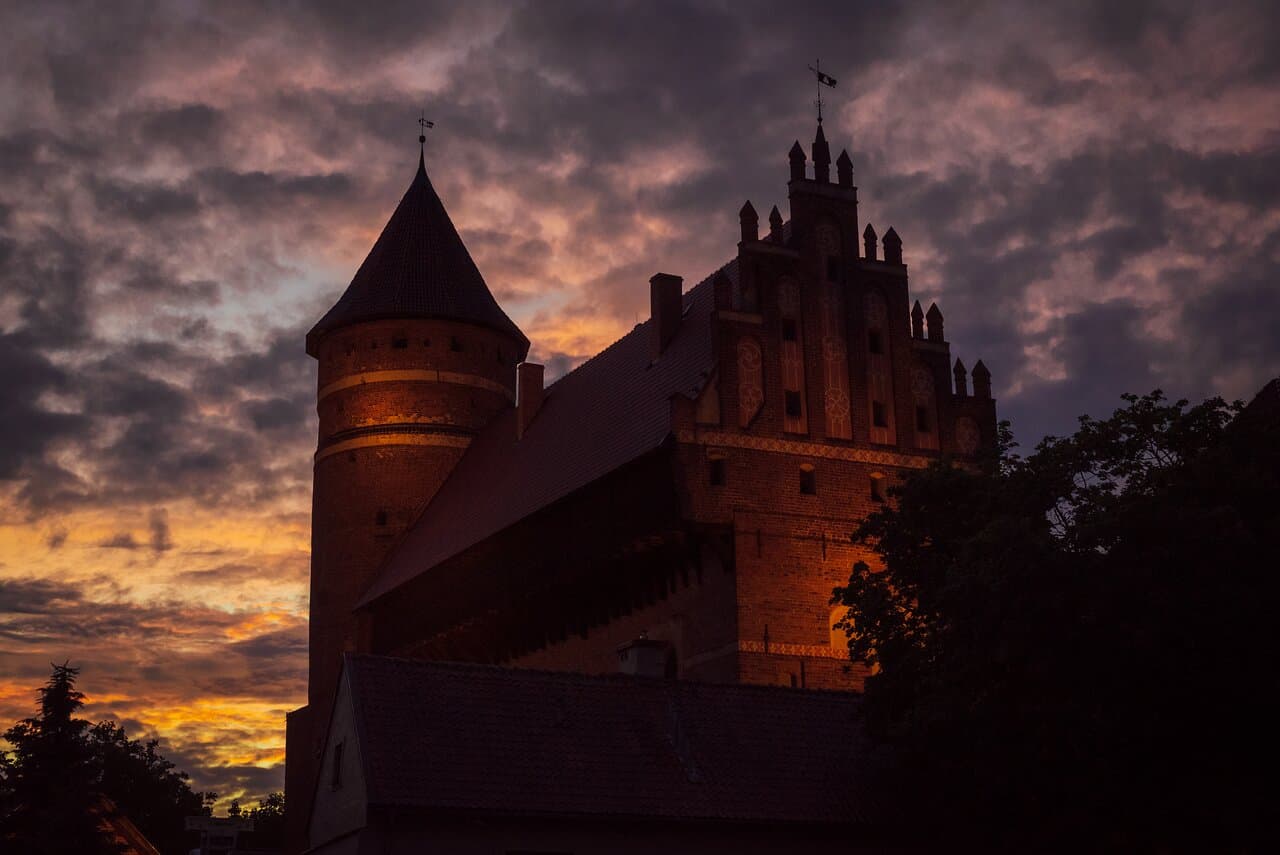
Olsztyn Castle is a 14th-century Gothic fortress that served as a defensive stronghold for Warmian bishops. The castle now houses the Museum of Warmia and Mazury, featuring regional artifacts and an exhibition dedicated to Nicolaus Copernicus, who lived here while managing the castle's defenses. Visitors can explore the castle's chambers, climb the tower for city views, and see Copernicus's astronomical table. The museum is open Tuesday-Sunday 10:00-16:00, with tickets around 15 złoty. Allow about 2 hours to appreciate the history and architecture.
Olsztyn Castle (Museum of Warmia and Mazury)
Why Visit
This castle represents the region's medieval history and its connection to one of history's greatest scientists. The Copernicus exhibition provides unique insight into his time in Warmia, while the castle architecture showcases Gothic brick construction typical of the Teutonic Order period. For couples, the intimate museum spaces and tower views create a romantic historical experience.
Visit on a weekday morning to avoid school groups. The castle courtyard is free to enter and offers nice photo opportunities even if you don't tour the museum. Address: Zamkowa 2, 10-074 Olsztyn.
2
Medieval Lidzbark and Castle Romance
Day 2 of your journey
3
Lake District Serenity and Waterfront Dining
Day 3 of your journey
4
Frombork's Astronomical Heritage and Farewell Feast
Day 4 of your journey
Before You Go
Essential Travel Tips
Polish is the official language—learn basic phrases like 'dzień dobry' (good day) and 'dziękuję' (thank you)
The currency is Polish złoty (PLN)—credit cards are widely accepted, but carry cash for smaller establishments and rural areas
Public transportation between smaller towns can be limited—renting a car provides the most flexibility for this itinerary
Museum opening hours often change seasonally—check current schedules online before visiting
Poland uses Type E power sockets (230V)—bring appropriate adapters for European plugs
Tipping 10% is customary in restaurants for good service—round up for taxis
Many historical sites have uneven surfaces—wear comfortable walking shoes for castle and Old Town exploration
Summer months (June-August) are peak tourist season—book accommodations and popular restaurants in advance
When to Go
Best Time to Visit
The ideal time to visit Warmińsko-Mazurskie is from May to September when weather is most pleasant for exploration. May and June offer mild temperatures (15-22°C), blooming landscapes, and fewer crowds before the peak summer season. July and August are warmest (20-25°C) but busiest, especially in the lake district. September provides comfortable temperatures, autumn colors, and reduced tourism. Winter (December-February) can be cold with snow, limiting outdoor activities but offering Christmas markets and winter sports opportunities. Many museums have reduced hours October-April, and some lake activities only operate May-September.
Local Insights & Tips
Warmińsko-Mazurskie has a distinct regional identity shaped by its complex history under Teutonic Knights, Polish kings, and Prussian rule. This blend creates unique cultural expressions in architecture, cuisine, and traditions. Locals are generally reserved but hospitable—a direct communication style is appreciated. The region maintains strong Catholic traditions, especially in smaller towns, so dress modestly when visiting churches. Warmian cuisine emphasizes hearty, seasonal dishes using local ingredients like freshwater fish, wild game, mushrooms, and berries. The lake district has a more relaxed, holiday atmosphere compared to the historical towns. Regional pride is strong—showing interest in local history and traditions will be welcomed.