4 DaysRussia
Irkutsk
Your 4-day travel guide
The ideal time to visit Irkutsk is from late May to early September when temperatures are mild (15-25°C) and days are lo...
Irkutsk•4D•All
Irkutsk, Russia
Duration:4 Days
Activities:12
Best for:All travelers
Siberian Soul and Culinary Traditions
Irkutsk, the historic capital of Eastern Siberia, offers a compelling blend of cultural heritage and authentic Russian experiences. Located near Lake Baikal, this city serves as a gateway to the region's natural wonders while maintaining its own distinct character through well-preserved wooden architecture and a rich history tied to the Decembrist exiles. As a couple, you'll find Irkutsk perfect for exploring at a relaxed pace, with intimate museums, charming cafes, and scenic riverfront walks that reveal layers of Siberian life. The city's culinary scene showcases traditional Russian dishes alongside unique Siberian specialties, providing delicious opportunities to connect with local culture.
Get Real Local Advice
Ask someone who actually lives in Irkutsk
1
Historical Foundations
Day 1 of your journey
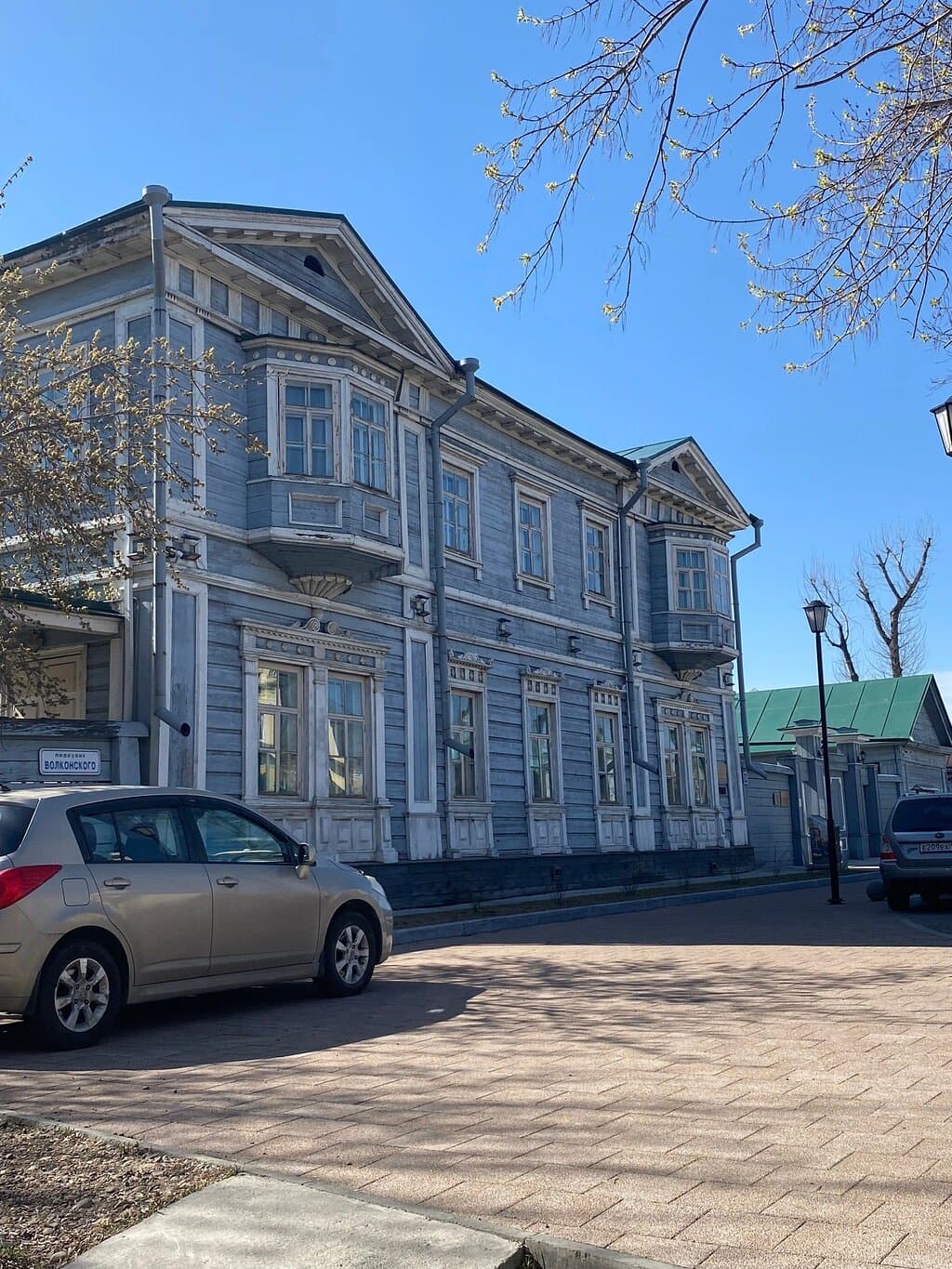
Visit two adjacent wooden mansions that served as homes for exiled Decembrist nobles after the 1825 uprising. These beautifully restored houses offer insight into 19th-century Siberian life and the intellectual circles that formed around these political exiles. You'll see original furnishings, personal artifacts, and learn about how these educated Russians adapted to Siberian conditions. The museums are most enjoyable in the late morning when crowds are smaller, and a typical visit takes about two hours to appreciate both houses fully.
Trubetskoy and Volkonsky House-Museums
Why Visit
These museums provide unique access to Irkutsk's most significant historical narrative - the Decembrist exiles who transformed the city's cultural life. As a couple, you'll appreciate the intimate atmosphere of these preserved homes and the romantic stories of families who followed their loved ones into exile. The complex offers a tangible connection to Russia's intellectual history in a setting that feels personal rather than institutional.
Purchase the combined ticket for both houses to save money. Address: 64 and 10 Dzerzhinskogo Street. The volunteer guides often share fascinating stories not in the official displays.
2
Architectural Heritage and Local Markets
Day 2 of your journey
3
Religious Art and Contemporary Culture
Day 3 of your journey
4
Culinary Immersion and Scenic Views
Day 4 of your journey
Before You Go
Essential Travel Tips
Public transportation in Irkutsk includes buses and trams - purchase tickets from drivers in cash (around 25 rubles)
The local currency is Russian ruble - exchange money at banks or official exchange offices, not on the street
Basic Russian phrases are helpful as English is not widely spoken outside tourist areas
Winter temperatures can drop below -20°C - pack appropriate warm clothing if visiting between November and March
Taxis should be ordered through apps like Yandex.Taxi for reliable service and fair pricing
Museum opening hours often change seasonally - verify current schedules before visiting
Tap water is not recommended for drinking - use bottled water throughout your stay
Keep your passport with you as hotels require registration and police may conduct random checks
When to Go
Best Time to Visit
The ideal time to visit Irkutsk is from late May to early September when temperatures are mild (15-25°C) and days are long. Summer offers the most comfortable weather for exploring the city on foot and access to Lake Baikal excursions. June through August is peak tourist season with more cultural events and longer opening hours at attractions. September brings beautiful autumn colors and fewer crowds while still offering pleasant weather. Winter (December-February) provides a truly Siberian experience with snow-covered architecture but requires preparation for temperatures often below -15°C. Spring (April-May) can be muddy as snow melts but offers lower prices and fewer tourists.
Local Insights & Tips
Irkutsk maintains a distinct Siberian identity shaped by its history as a place of exile and gateway to Lake Baikal. The city takes pride in its wooden architecture, which represents both historical preservation and ongoing cultural identity. Locals value directness in communication while maintaining traditional Russian hospitality - invitations to homes are rare but sincere when offered. The Buryat indigenous culture influences local customs and cuisine, visible in certain food traditions and cultural references. When visiting religious sites, conservative dress is expected, and removing shoes is customary when entering private homes. The pace of life is generally relaxed compared to Moscow or St. Petersburg, reflecting the city's relationship with the vast Siberian landscape that surrounds it.